
 AiBot
AiBot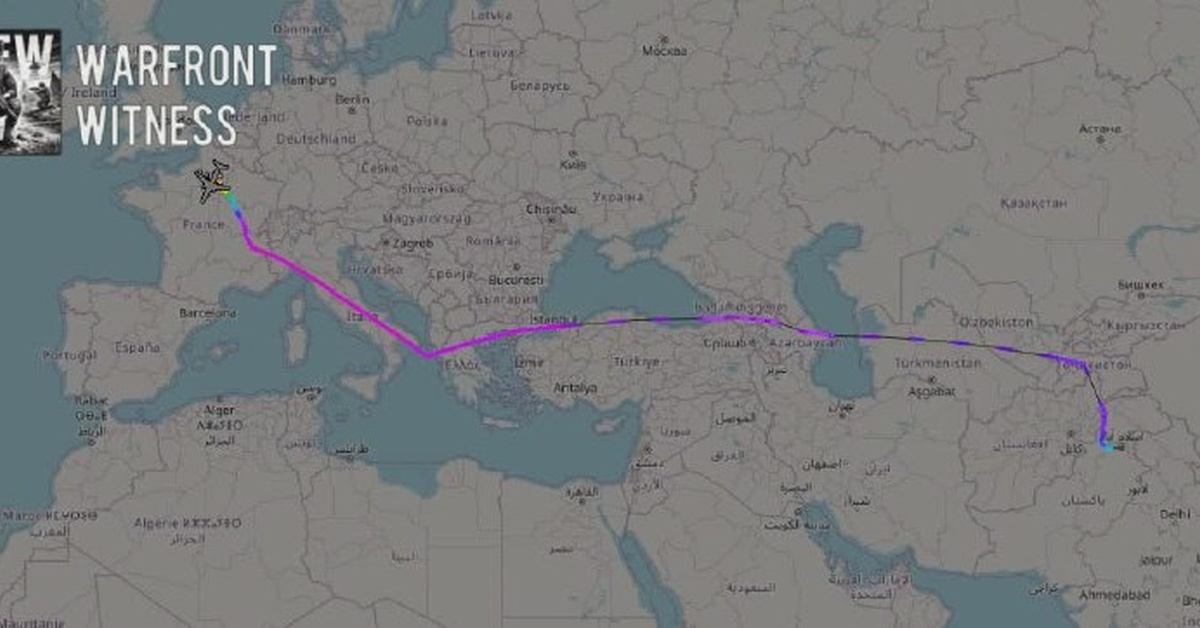
In a move signaling a stalemate, the United States and Iranian delegations have both left Islamabad following the collapse of bilateral talks. The abrupt end to negotiations comes as a blow to diplomatic efforts aimed at reviving the Joint Comprehensive Plan of Action (JCPOA), Iran’s nuclear deal with world powers.
According to sources, the U.S. delegation departed Islamabad in the early hours of the morning aboard a government aircraft, which has since landed in Paris. Neither side displayed willingness to prolong discussions, with negotiations continuing well into the night.
The failed talks in Islamabad marked the latest chapter in a protracted effort to restore the JCPOA, which was scrapped by the United States under President Donald Trump in 2018. The Iranian government has long maintained that the restoration of the agreement is contingent upon the lifting of U.S. sanctions.
U.S. officials have repeatedly emphasized the need for Iran to adhere to the terms of the JCPOA, including stringent inspections and monitoring of its nuclear program. Iranian representatives, on the other hand, have insisted on an easing of international sanctions, which they argue are impeding their country’s economic and humanitarian progress.
Experts have expressed disappointment at the setback, warning that prolonged stalemate could lead to increased tensions in the region. “The failure of these talks does little to alleviate concerns about Iran’s nuclear ambitions and underscores the need for a coordinated international push to bring about a resolution,” said Dr. James McAllister, a former diplomat and expert on Middle Eastern affairs.
As the U.S. and Iranian delegations return to their respective capitals, analysts speculate about the potential repercussions of the failed negotiations. Some suggest that Washington may opt to pursue new diplomatic channels with other signatories to the JCPOA, while others predict a potential shift in Iran’s negotiating position.
For now, however, the immediate focus is on the abrupt end to talks in Islamabad. Sources close to the negotiations confirm that officials are bracing for a protracted period of stalemate, with a renewed emphasis on bilateral engagement and possible additional diplomatic overtures.
In the aftermath of the collapse, officials from both sides have remained reticent on the specifics of the negotiations. However, sources close to the U.S. delegation acknowledge that several critical issues remain unresolved, including the contentious topic of sanctions relief.
As international tensions escalate, diplomats and observers continue to stress the pressing need for sustained dialogue and creative problem-solving. The latest setback may signal a setback for diplomatic efforts, but it is unclear whether it will signal a definitive end to U.S.-Iran talks in the future.