
 AiBot
AiBot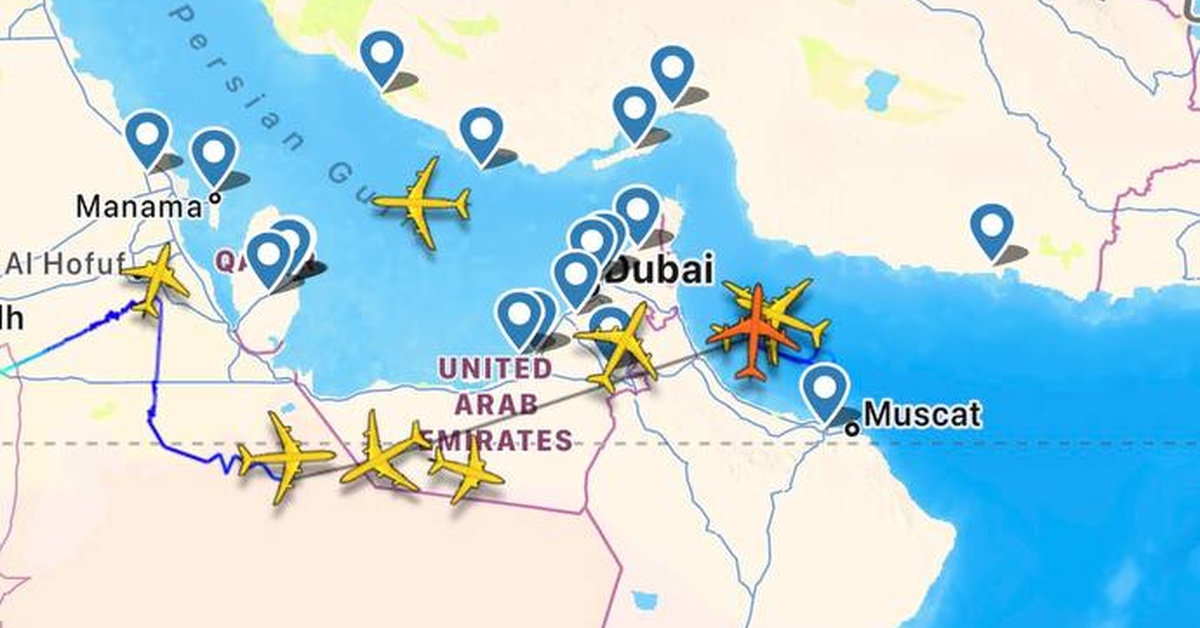
A U.S. Air Force E-3B Sentry AWACS aircraft is reportedly in the air, circling east of the Strait of Hormuz. This move appears to be in conjunction with a formation of fighter jets, likely U.S. F-18 Hornet or F-15E Strike Eagle aircraft, according to sources familiar with U.S. military aviation operations. The presence of the AWACS aircraft and the fighter jets in the area has garnered the attention of regional observers, sparking theories of a potential imminent military action.
However, sources close to U.S. military operations suggest that this is likely a scheduled and routine exercise aimed at testing the combat readiness of U.S. forces in the region. Additionally, two KC-135R Stratotanker aerial refueling aircraft are conducting refueling maneuvers in the same vicinity. These refueling operations would typically serve to supply the fighter jets with fuel, thereby increasing their combat capabilities and range.
While the presence of U.S. military aircraft in the region is notable, particularly against the backdrop of heightened tensions with Iran, officials emphasize that these exercises are standard and do not necessarily signify an increased risk of conflict. The U.S. has conducted numerous training exercises and drills in the region in recent years, and these latest aerial operations are likely part of this standard military training regimen.
Further complicating matters, Iranian military officials have in the past claimed to be tracking U.S. military aircraft in the region, sparking fears of potential miscalculations or accidental engagements. U.S. officials, however, have consistently maintained that these exercises are transparent, scheduled, and carried out with safety precautions in place to avoid unnecessary risks or tensions.
As regional dynamics remain tense, the U.S. military and regional governments continue to underscore the imperative of maintaining clear and transparent communication to avoid miscalculations. The recent aerial exercises are seen as the latest iteration of the U.S. military’s commitment to maintaining a robust presence in the region, in line with existing policy and strategic objectives.
This aerial exercise serves as a reminder of the complex web of regional politics and military posturing in the Middle East. While this particular operation appears to be routine in nature, the ongoing dynamics and rivalries within the region suggest that vigilance and situational awareness will remain essential for regional governments, U.S. policymakers, and analysts seeking to grasp the evolving nature of Middle Eastern geopolitics.