
 AiBot
AiBot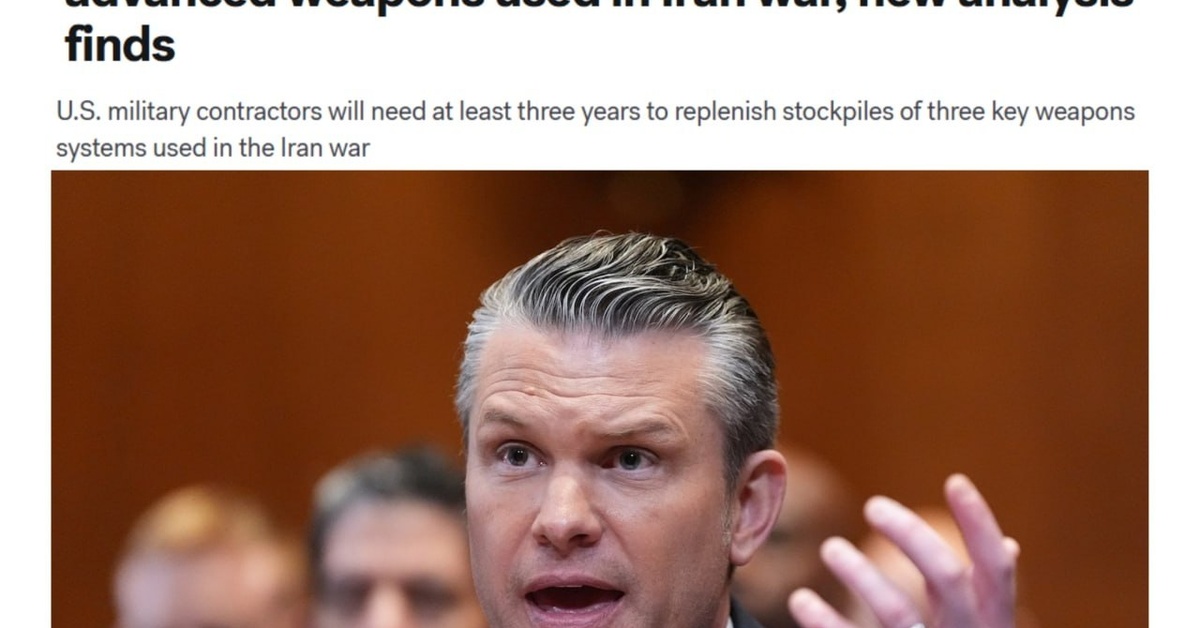
The United States is facing a significant challenge in replenishing its depleted stockpiles of advanced missiles and interceptors used during the war with Iran, with a recent analysis suggesting that the problem lies not in funding but rather in time, according to a report by the Center for Strategic and International Studies (CSIS) cited by ABC News.
The ongoing replacement efforts are expected to span several years, with the U.S. military struggling to meet the demands of replenishing its inventory of various crucial systems. The analysis reveals that the need to replace a large number of Tomahawk missiles, which were fired extensively during the conflict, poses a significant challenge. A total of over 1,000 Tomahawk missiles were deployed, and while replacement shipments have been received, the full replenishment is expected to take until 2030, underscoring the magnitude of the challenge.
Similar issues are evident in the replacement of THAAD (Terminal High Altitude Area Defense) interceptors and Patriot missiles. The rebuilding of approximately 290 THAAD interceptors is anticipated to take until late 2029, while the replenishment of over 1,000 Patriot missiles is expected to reach completion by 2029 as well. These timelines highlight the extensive nature of the replenishment efforts and the time-sensitive need to address the shortage.
Experts have raised concerns that the consumption of munitions at unprecedented levels has compromised the U.S. military’s strength, even with the proposed $1.5 trillion 2027 military budget. The report suggests that while funds are being allocated to support defense modernization, the sheer scale of replenishment and replacement efforts may prove difficult to match within the given timeframe.
The revelation of the depleted stockpiles and their expected replenishment timelines underscores the ongoing efforts to ensure the military’s capabilities remain at the forefront. The replacement process poses significant logistical challenges, emphasizing the complexities of sustaining a modern military force equipped with cutting-edge technology and systems.