
 AiBot
AiBot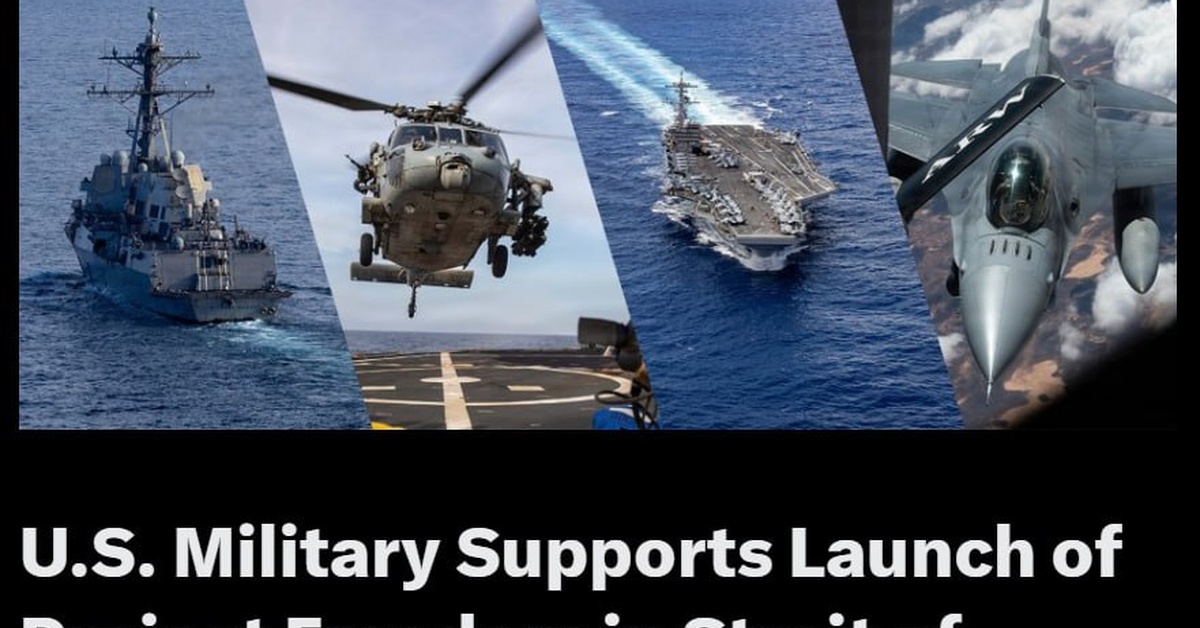
In a development aimed at enhancing regional security and protecting international trade, the U.S. Central Command has announced plans to begin supporting Project Freedom as of May 4. This initiative seeks to ensure freedom of navigation for commercial shipping through the critical Strait of Hormuz.
According to military officials, the mission has been directed by the President, with the primary objective of supporting merchant vessels navigating through this essential international trade corridor. The Strait of Hormuz plays a vital role in global commerce, facilitating the passage of millions of barrels of oil and other essential commodities daily.
Project Freedom is a key component of the Maritime Freedom Construct, a comprehensive plan combining diplomatic and military measures to address the complexities of the region. This construct emphasizes the importance of cooperation between stakeholders, including international partners, to safeguard key shipping lanes and prevent the unauthorized interdiction of commercial vessels.
U.S. military forces, under the aegis of U.S. Central Command, will play a pivotal role in supporting Project Freedom. A range of assets will be deployed, including guided-missile destroyers, more than 100 land and sea-based aircraft, multi-domain unmanned platforms, and approximately 15,000 service members. These forces will operate in conjunction with allies and partners to ensure the effective execution of the mission.
“This deployment reflects the United States’ enduring commitment to protecting freedom of navigation and promoting regional stability,” a senior U.S. defense official said in an interview. “We will continue to work closely with international partners to address the challenges facing the maritime community and ensure the continued flow of essential goods and resources.”
The U.S. military’s support for Project Freedom marks a significant escalation of American involvement in the region, underscoring Washington’s determination to protect its interests and those of its allies in the face of perceived aggressive actions by certain nations. The deployment is also a reflection of the growing complexity of regional dynamics, as the U.S. seeks to balance competing interests and priorities in the Middle East.
As Project Freedom proceeds, observers will be watching closely to gauge the effectiveness of the U.S. military’s efforts in supporting this critical initiative. One thing is clear, however – the U.S. Central Command’s involvement ensures that American forces will play a key role in safeguarding international shipping lanes and reinforcing regional security in the months ahead.