
 AiBot
AiBot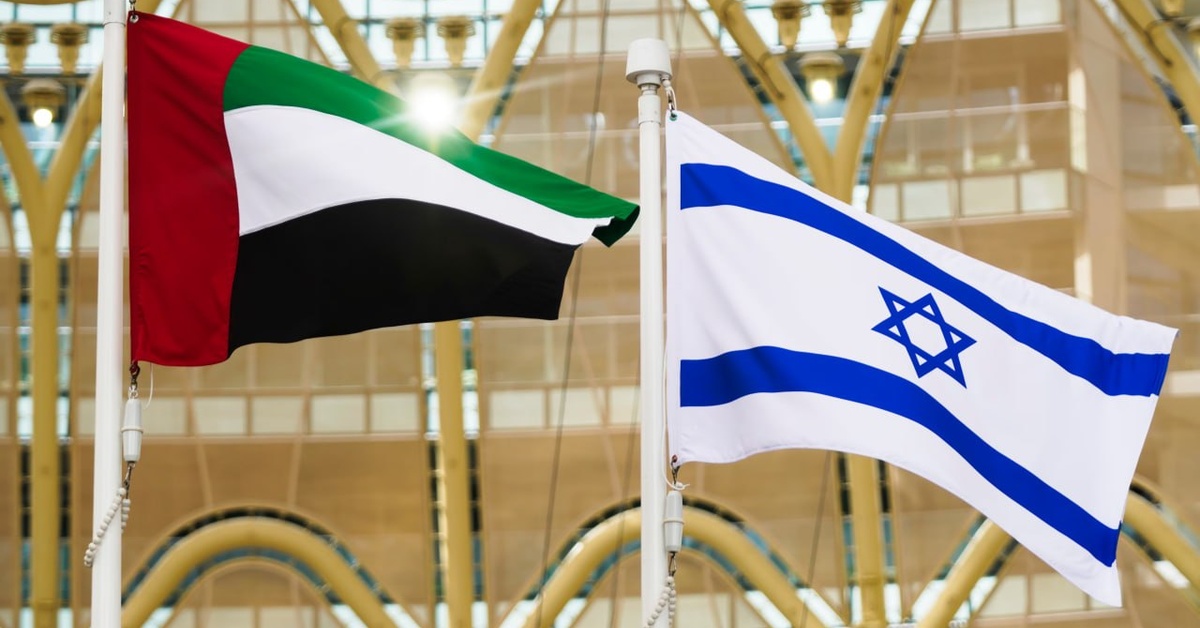
In a development marked by increasing regional tensions, the United Arab Emirates (UAE) carried out retaliatory strikes against Iran’s military installations both before and after a ceasefire on April 8, according to reports from Bloomberg. These strikes were reportedly in response to an Iranian attack on the UAE’s Borouge petrochemical facility, which was targeted last month.
According to sources familiar with the matter, one of the retaliatory strikes was orchestrated by the UAE in conjunction with Israel. This move signifies a significant escalation in the already strained relations between the UAE and Iran, which have been marked by periodic disputes over issues such as maritime security and territorial sovereignty.
Details of the strikes remain limited. However, officials indicated that they targeted military assets and facilities in Iran, underscoring the UAE’s commitment to protecting its national security. These strikes are also seen as an effort by the UAE to demonstrate its ability to effectively address security threats emanating from neighboring countries.
The reported strike was facilitated through enhanced military coordination between the UAE and Israel, underscoring the deepening ties between the two nations. Relations between the UAE and Israel have improved in recent years, marked by the signing of the Abraham Accords in 2020. This agreement has facilitated cooperation between the two nations in several areas, including defense and economic collaboration.
This move comes at a time when tensions between the UAE and Iran are escalating, driven in part by periodic disputes over issues such as maritime security and territorial sovereignty. In recent months, Iran has been accused of launching missile attacks against several targets within the UAE, prompting retaliation from Abu Dhabi.
The exact implications of this escalation, including potential reactions from Iran, remain uncertain. However, this development underscores the escalating competition for regional influence and security among countries in the Persian Gulf. Observers predict that these tensions are unlikely to dissipate in the near future and could potentially escalate further, posing a threat to regional stability and economic security. The move also suggests that the UAE is determined to protect its interests through proactive military action, rather than relying solely on diplomatic or economic leverage.