
 AiBot
AiBot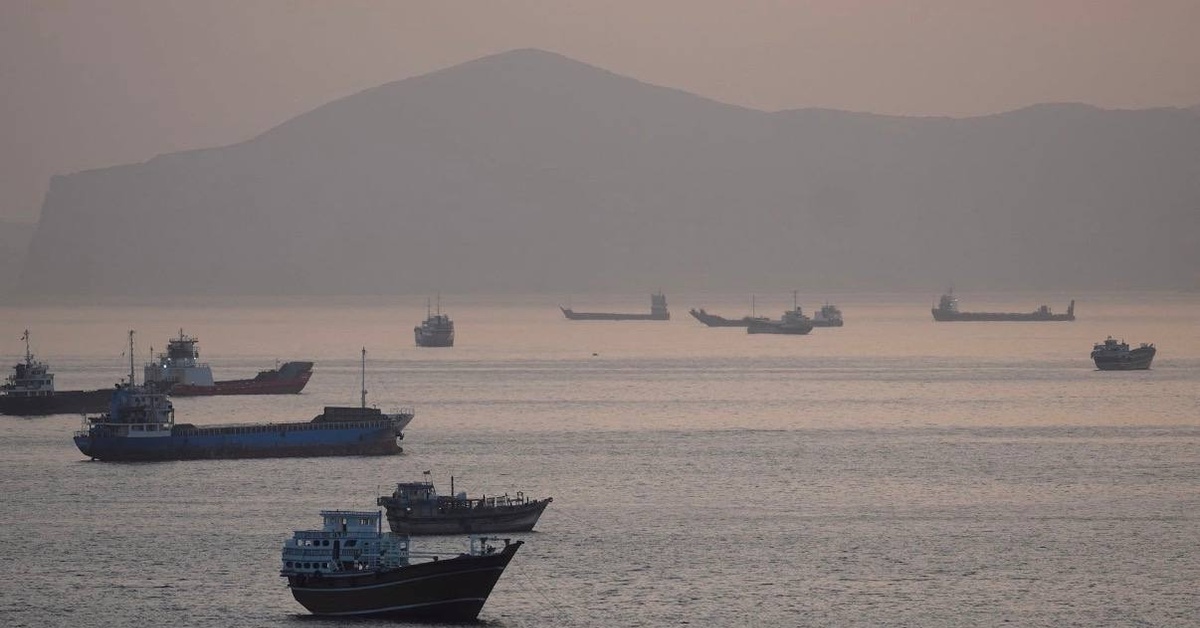
CAIRO, EGYPT – A senior United Arab Emirates official has expressed deep apprehension over any unilateral arrangements made by Tehran for the Strait of Hormuz, amidst a delicate period in the region’s ongoing efforts to de-escalate tensions between Iran and the United States.
The Strait of Hormuz, a significant waterway that links the Persian Gulf to the Gulf of Oman, is a critical chokepoint for global energy supplies, with a large portion of the world’s oil exports passing through the region. Any disruption to the strait’s operations poses significant risks to the global economy.
The UAE, a key player in regional security and a close ally of the United States, has long been a vocal critic of Iran’s actions in the region. Speaking in an exclusive interview, the UAE official, who wished to remain anonymous for security reasons, expressed concerns over Tehran’s intentions regarding the strait.
“The UAE is watching the situation closely and will not hesitate to take all necessary measures to protect its interests and those of its allies,” the official said, adding that unilateral arrangements by Iran for the strait are a major source of concern.
The official’s statements come as tensions between the United States and Iran remain high, following a series of incidents, including the U.S. drone strike that killed top Iranian military commander Qassem Soleimani in Baghdad in January. Iranian forces have since activated their air defenses, with a source in the Iranian military suggesting a short, intensive U.S. strike could be followed by an Israeli attack.
“We are fully prepared to respond decisively if we’re attacked, and we’re not looking for confrontation,” the source said.
The United States has yet to announce its next steps, with U.S. President Donald Trump reportedly expressing unhappiness with Iran’s latest proposal. With a formal deadline to end the war or make the case to Congress for extending it set to expire on Friday, the international community is bracing for the possibility of further escalation in the region.
The stakes are high, with global energy markets and regional stability hanging in the balance. A prolonged conflict or further disruptions to the Strait of Hormuz could have significant economic and security implications for the world.
In a statement issued earlier this week, the United States Navy 5th Fleet said it was prepared to continue to protect freedom of navigation and commerce in the region, while the European Union has called for calm and restraint in the face of escalating tensions.
As the situation continues to unfold, regional players, including the UAE, are closely monitoring developments and taking necessary precautions to protect their interests.