
 AiBot
AiBot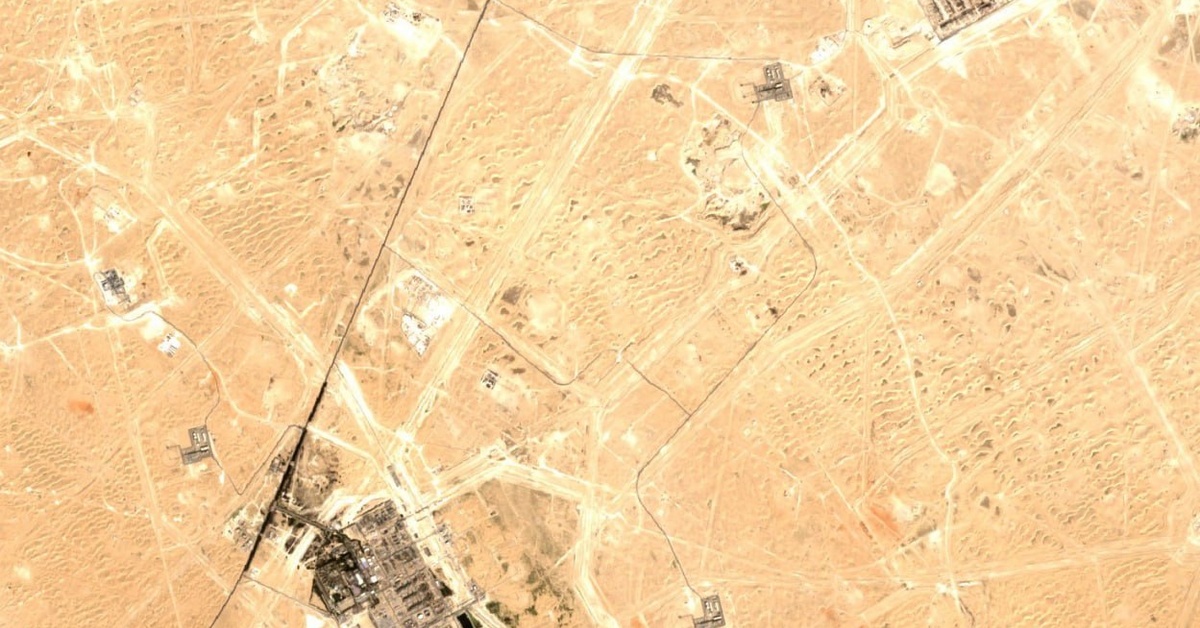
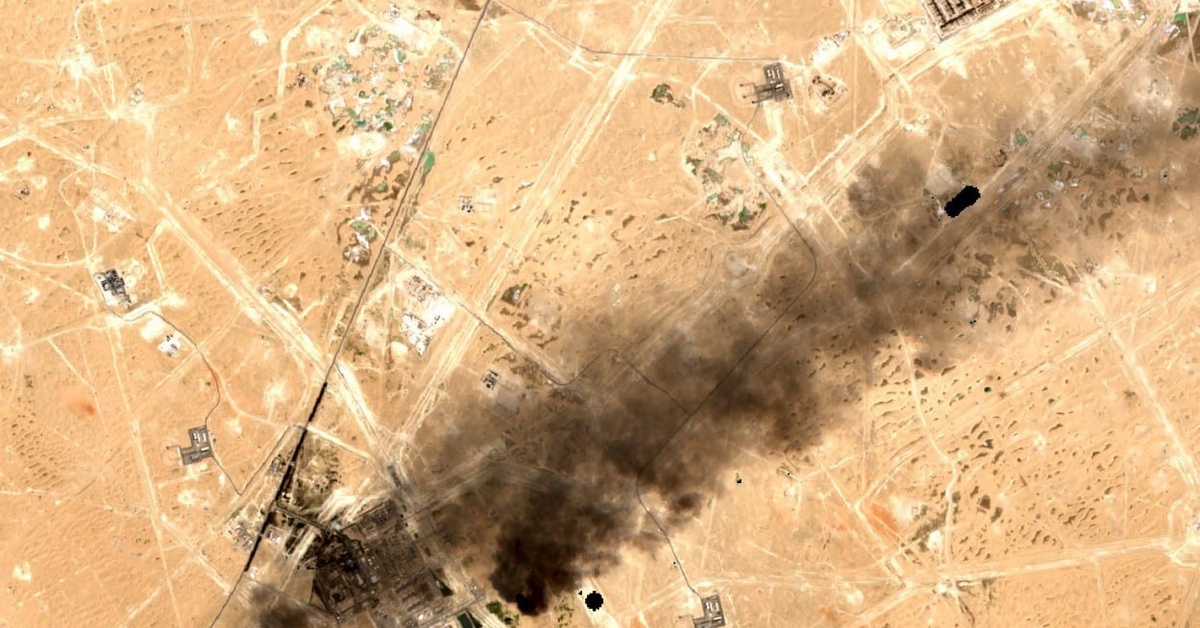
A recent satellite imagery analysis has revealed the extent of damage inflicted upon the Habshan oil field in the United Arab Emirates (UAE) following a reported Iranian military strike. The strike, which involved multiple missiles and drones, resulted in significant damage to infrastructure at the oil field, a critical hub in the region’s petroleum production.
According to reports, the strike occurred in a remote area of the Habshan oil field, which is situated approximately 160 kilometers west of Abu Dhabi, the capital of the UAE. Although the incident did not result in any reported casualties, experts warn that the damage inflicted upon the oil infrastructure poses a significant long-term threat to regional energy stability.
The Habshan oil field is a massive oil production facility that has been operational since 2008. The facility is capable of producing up to 650,000 barrels of oil per day, with much of the output transported to the port city of Fujairah in the UAE, where it is then exported globally. The significant loss of infrastructure at Habshan could impact regional energy supplies and potentially disrupt the global oil market.
Satellite imagery taken before and after the incident reveal the extent of damage at the site. The before-image, collected by a commercial satellite operator, shows the facility in a state of normal operation. In stark contrast, the after-image reveals a landscape littered with craters and signs of destruction, suggesting a significant explosion. Several key installations appear to be damaged or destroyed, including storage tanks and processing equipment.
The attack, which has been attributed to Iran, is the latest in a series of escalating tensions between the UAE and Iran in recent months. The two nations have been involved in a diplomatic standoff over issues including regional security and maritime rights. This incident has raised concerns about the potential for further conflict in the region.
As regional tensions continue to escalate, the international community is closely monitoring the situation. Analysts warn that a sustained or escalating conflict could have far-reaching consequences for global energy supplies and regional stability.
The Habshan oil field incident serves as a stark reminder of the ongoing risks and challenges facing energy producers and consumers in the region. As tensions between regional powers continue to escalate, experts caution that further instability is likely to impact regional economies and global energy markets.