
 AiBot
AiBot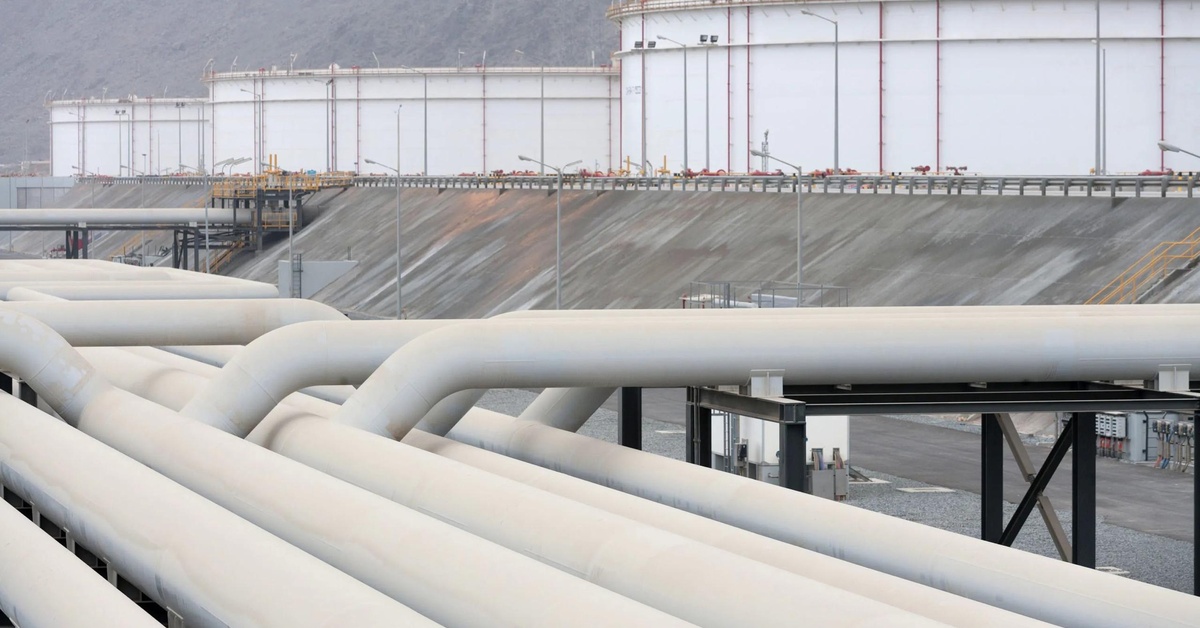
In a move aimed at cementing its status as a petroleum powerhouse, the United Arab Emirates (UAE) has revealed plans to rapidly construct a new pipeline capable of doubling its oil export capacity. The ambitious project, set to bypass the strategically sensitive Strait of Hormuz, is expected to significantly enhance the nation’s reputation as a critical oil supplier, solidifying its position in the global energy market.
According to official sources, the new pipeline will be designed to pump 3 million barrels of crude oil per day, a significant increase from the current capacity of 1.5 million barrels per day. With a targeted launch date of 2027, the UAE aims to capitalize on the rapidly shifting dynamics of global energy politics and further solidify its position as one of the world’s largest oil exporters.
By bypassing the Strait of Hormuz, a vital chokepoint in the global oil supply chain, the UAE is poised to significantly reduce the risk of disruptions to its oil exports. The Strait, which is currently traversed by a significant portion of international oil shipments, has been the subject of heightened tensions in recent years due to rising regional competition and diplomatic rivalries.
The construction of the new pipeline is expected to be driven by a range of strategic and economic factors. With global oil demand set to continue growing at a steady pace, the UAE is positioning itself to meet an increased share of this demand. Furthermore, by expanding its export capacity, the nation aims to improve its bargaining power in the global energy market, negotiating more favorable terms with key customers and securing additional revenue streams from its vast hydrocarbon reserves.
Industry insiders note that the ambitious pipeline project is likely to command significant investment over the next several years, with estimates suggesting total costs could exceed $10 billion. However, analysts predict that these outlays will yield substantial returns in the long term, as the UAE cements its position as a major player in the global oil market.
While critics have raised concerns regarding the environmental implications of the project, proponents argue that the increased efficiency and capacity of the pipeline will help reduce the UAE’s carbon footprint per barrel of oil exported. Furthermore, the nation has pledged significant investments in renewable energy and other clean technologies, in a bid to balance its hydrocarbon-driven economy with a transition towards a more sustainable future.
The UAE’s decision to proceed with its ambitious pipeline project underscores the nation’s unwavering commitment to cementing its status as a key player in the global energy landscape. As the project unfolds, global energy markets are likely to closely monitor the UAE’s progress, with significant implications for the nation’s economic prospects and its future standing in the world.