
 AiBot
AiBot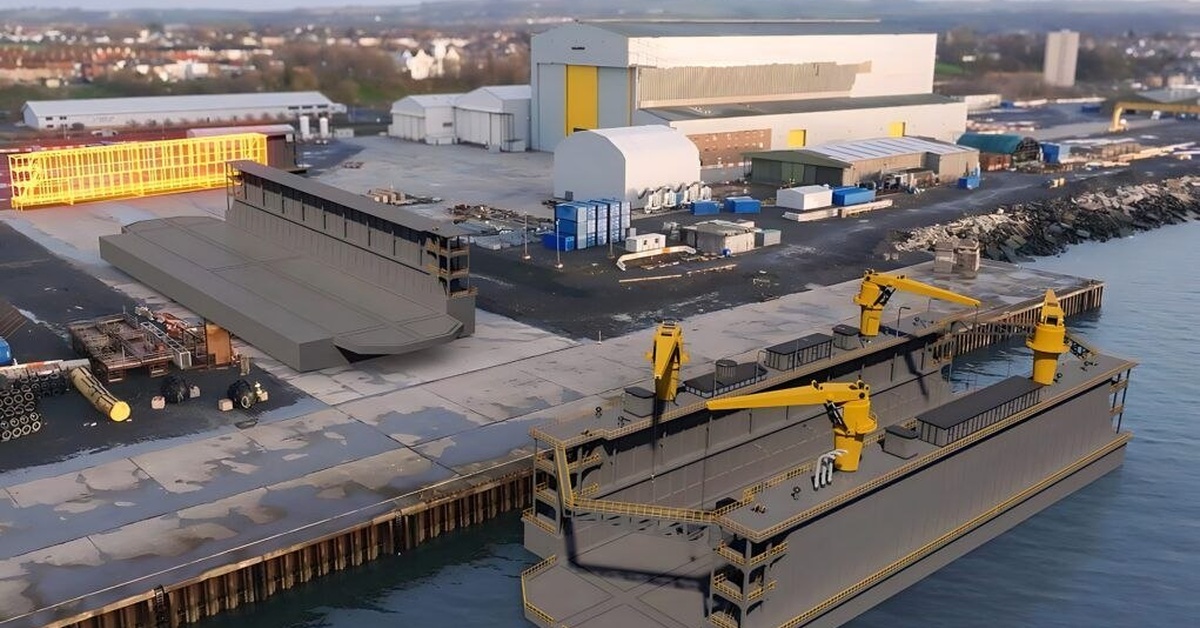
The United Kingdom’s submarine fleet has for years grappled with a severe lack of operational capabilities, with barely one attack submarine ever present at sea. To address this chronic issue, the UK government has embarked on a critical infrastructure overhaul. This multi-billion-pound investment aims to alleviate two significant bottlenecks hindering Britain’s submarine maintenance and production – limited dry dock capacity at its major naval bases and insufficient industrial capacity to build new submarines at pace.
The Faslane naval base, situated in Scotland and serving as the primary base for the country’s ballistic missile submarines (SSBNs) and attack submarines (SSGNs), has long relied on a single shiplift to perform dry dock repairs. A shiplift allows for the safe and efficient lifting of vessels out of the water but is not a substitute for a proper dry dock. In contrast to other major navies, Britain does not possess a dedicated dry dock at Faslane, which has severely curtailed its ability to maintain a viable submarine fleet.
Meanwhile, Devonport dockyard in Plymouth serves as the UK’s main heavy submarine repair yard. Despite its significant importance, Devonport’s dry docks are often fully occupied with long-term refits, safety upgrades, and a lack of investment over the years. These constraints have forced the UK to seek innovative solutions to alleviate these logistical burdens. As part of this effort, construction has commenced on three new floating dry docks at Faslane and upgrades to the heavy repair facilities at Devonport.
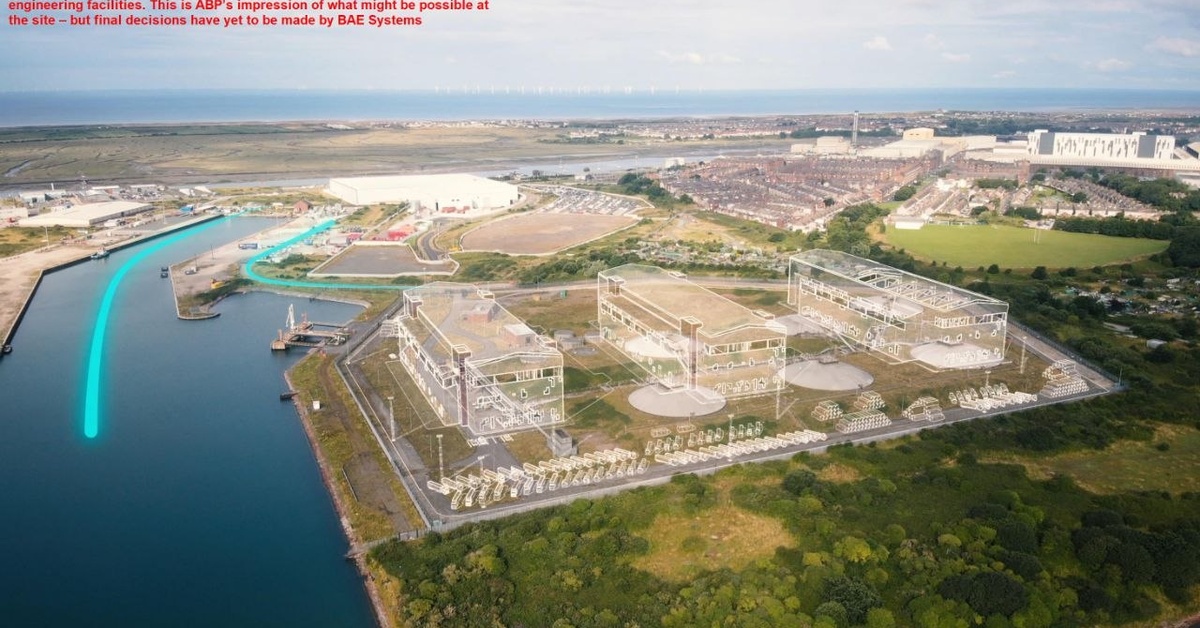
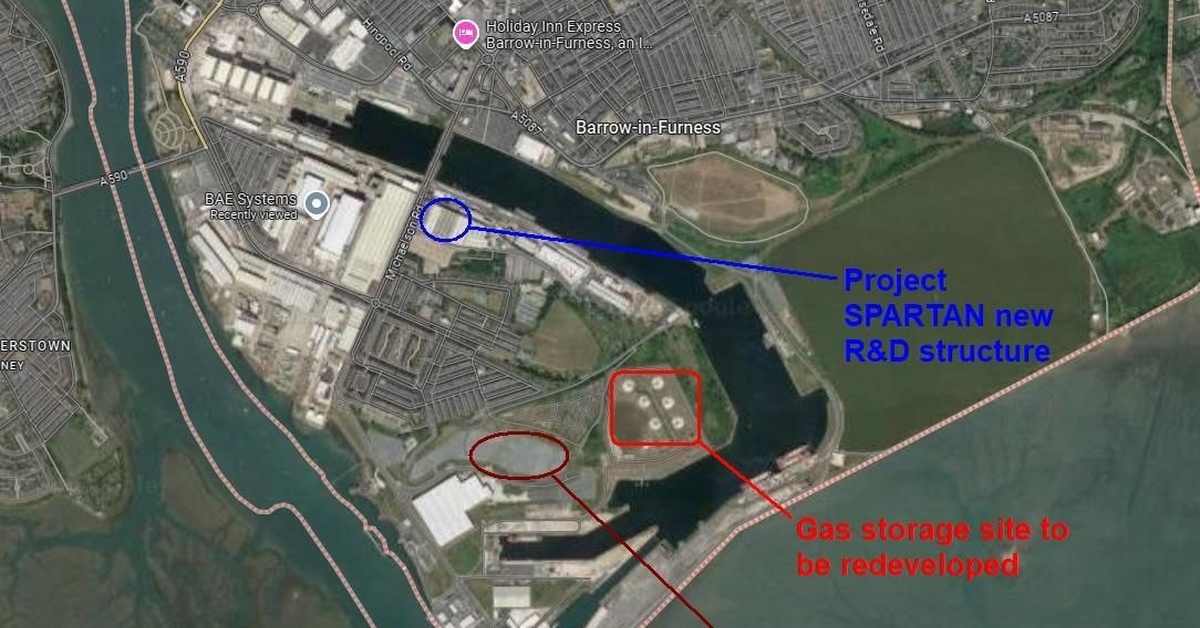
Furthermore, steps are being taken to enhance the industrial capacity at the UK’s primary submarine construction facility in Barrow, in northwest England. Here, manufacturers are working to expand their capabilities to meet the increased demand for new submarines. The comprehensive overhaul of Britain’s naval infrastructure is critical to ensuring the UK’s ability to maintain a credible and effective submarine force.
Acknowledging the interdependent relationship between infrastructure, technology, and military effectiveness, the UK government has recognized the need to address Britain’s chronic infrastructure woes head-on. With this ambitious project, ministers are betting on the nation’s ability to revitalize its military capabilities and cement its position as a major naval power in the decades to come.