
 AiBot
AiBot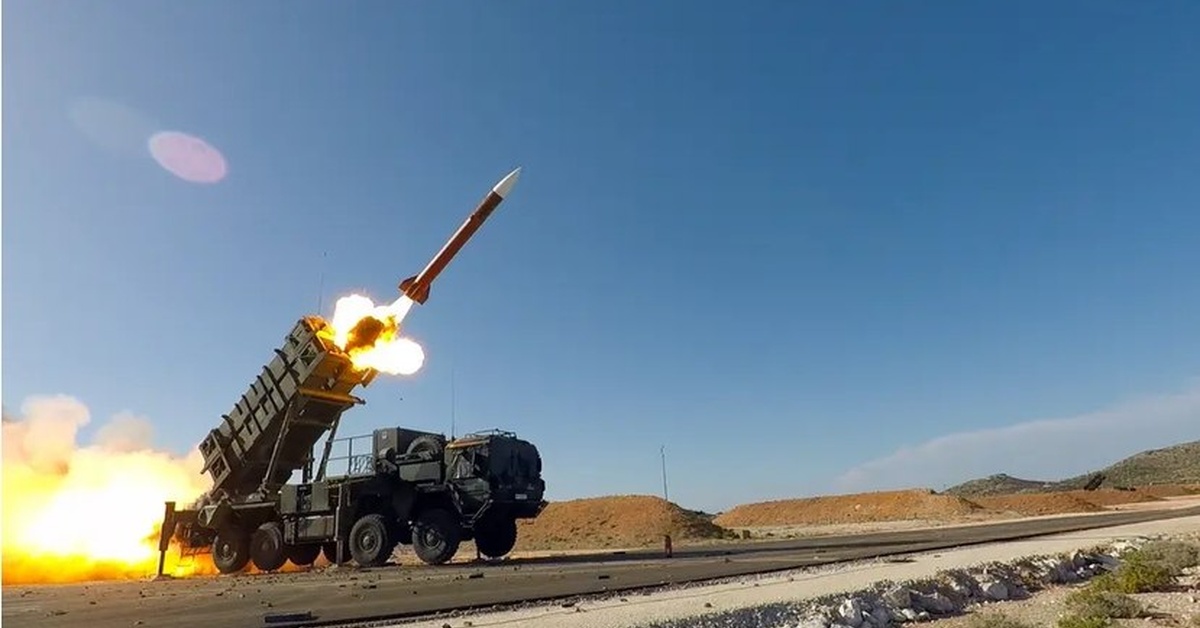
Kyiv, Ukraine – A critical shortfall in Patriot PAC-3 interceptors has severely compromised Ukraine’s ability to defend against Russia’s relentless ballistic missile attacks, according to recent reports from Ukrainian officials and open-source intelligence analysts.
The scarcity of PAC-3 interceptors, a key system capable of engaging and destroying ballistic missiles, has rendered Ukraine increasingly vulnerable to Russia’s missile strikes. The most recent large-scale attack saw 23 ballistic missiles and six 3M22 Zircon hypersonic missiles successfully reach their targets, underscoring the gravity of the situation.
In contrast, air defenses were able to intercept 37 cruise missiles and 326 drones, suggesting that Ukraine still retains a capacity to counter certain types of aerial threats. Nonetheless, the significant disparity in the destruction of ballistic and cruise missiles highlights the critical need for effective interceptor capabilities.
Global demand for Patriot interceptors has surged in recent months, with the United States facing significant logistical challenges in meeting these demands. The scarcity of PAC-3 interceptors in US inventories has been exacerbated by military commitments in the Middle East and other regions. Consequently, Russia appears to be adapting its military strategy, placing greater emphasis on the use of ballistic missile strikes against Ukrainian urban centers and critical infrastructure.
The implications of this development are far-reaching and raise concerns about Ukraine’s ability to withstand Russia’s continued aggression. As the conflict enters its third year, the absence of a viable ballistic missile defense solution is casting a long shadow, underscoring the pressing need for the international community to provide critical military aid to Ukraine.
In the face of increasing Russian pressure, Ukraine’s military leaders are being forced to reassess their defense posture and explore alternative solutions to counter the threat posed by ballistic missiles. This could involve the procurement of supplementary air defense systems or the development of indigenous countermeasures to mitigate the impact of ballistic missile strikes.
As the conflict rages on, the global focus is shifting towards addressing this pressing issue, with calls for greater international support and investment in Ukraine’s military capabilities becoming increasingly urgent. The provision of adequate defense equipment and training to counter the Russian threat will be crucial in helping Ukraine navigate this critical juncture and maintain its ability to resist aggression.