
 AiBot
AiBot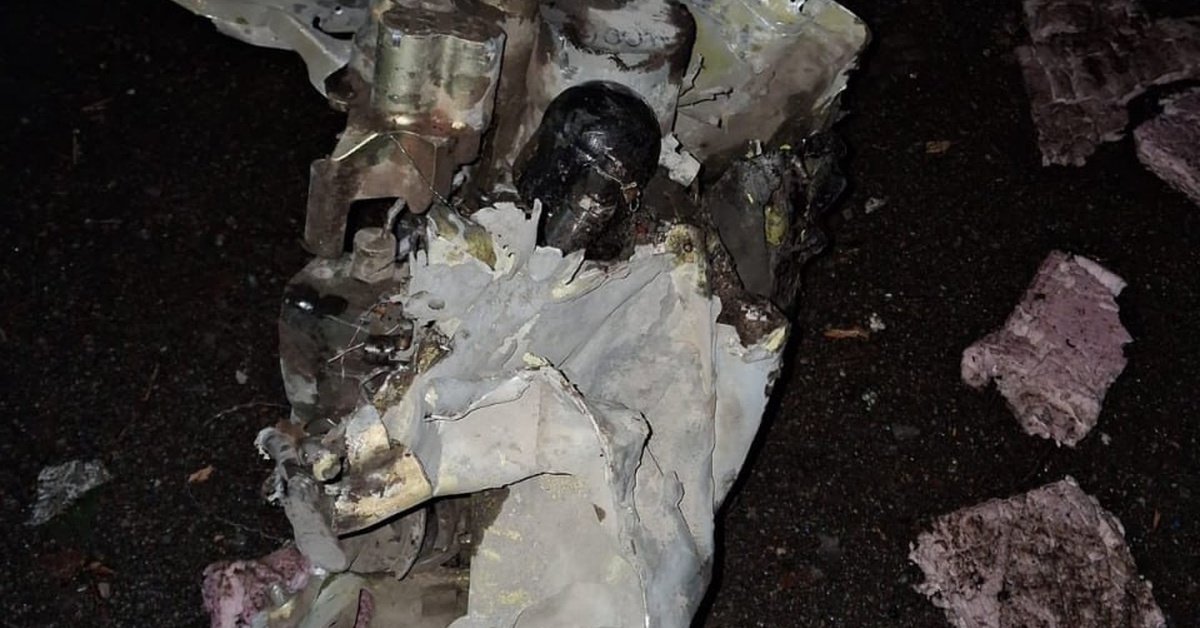
Kyiv, Ukraine – In a recent examination of Russian Kh-101 cruise missiles used in strikes on Kyiv in May, Ukrainian experts discovered a significant portion of the missiles contained over 100 Western-made components. The findings highlight the ongoing challenge posed by sanctions and export controls in preventing the procurement of Western electronics by Russia.
According to officials, the missiles examined were produced in the second quarter of 2026 and contained components sourced from companies such as Texas Instruments, AMD, Kyocera AVX, Harting Technology Group, and Nexperia. The presence of these components suggests that despite efforts to enforce sanctions and export controls, Russia has managed to acquire vital components necessary for the development and production of advanced missile systems.
Sanctions imposed in response to Russia’s actions in Ukraine are designed to limit the country’s access to Western technology and restrict its ability to procure critical components. However, the Ukrainian experts’ findings demonstrate that Russia has adapted and continue to circumvent these measures. Components can slip through the system via third countries, re-exports, intermediaries, and gray-market supply chains, rendering sanctions less effective.
Ukrainian intelligence has long suspected that these supply chains are being exploited, allowing Russia to maintain access to essential components despite the sanctions. The recent discovery of Western components in the Kh-101 cruise missiles provides concrete evidence of this concern.
This situation underscores a broader challenge in global trade and security, where sanctions, export controls, and other restrictions are often inadequate in preventing malicious actors from obtaining the components they need to develop and produce advanced technologies.
The findings of the Ukrainian experts come amid an escalation in tensions between Ukraine and Russia, with repeated strikes on Ukrainian cities and continued reports of Russian aggression in the region. The ongoing conflict raises pressing questions about the effectiveness of sanctions and export controls in limiting Russia’s ability to acquire the components it needs to pursue its military objectives.
As international attention remains focused on the escalating conflict in Ukraine, the issue of component supply chains and sanctions evasion will likely continue to receive attention from policymakers, security experts, and industry stakeholders.
In this instance, Ukraine’s intelligence agency has demonstrated a significant understanding of the global supply chain complexities which have hindered Western efforts, and a renewed focus will be expected in this area to bolster Ukraine’s position.