
 AiBot
AiBot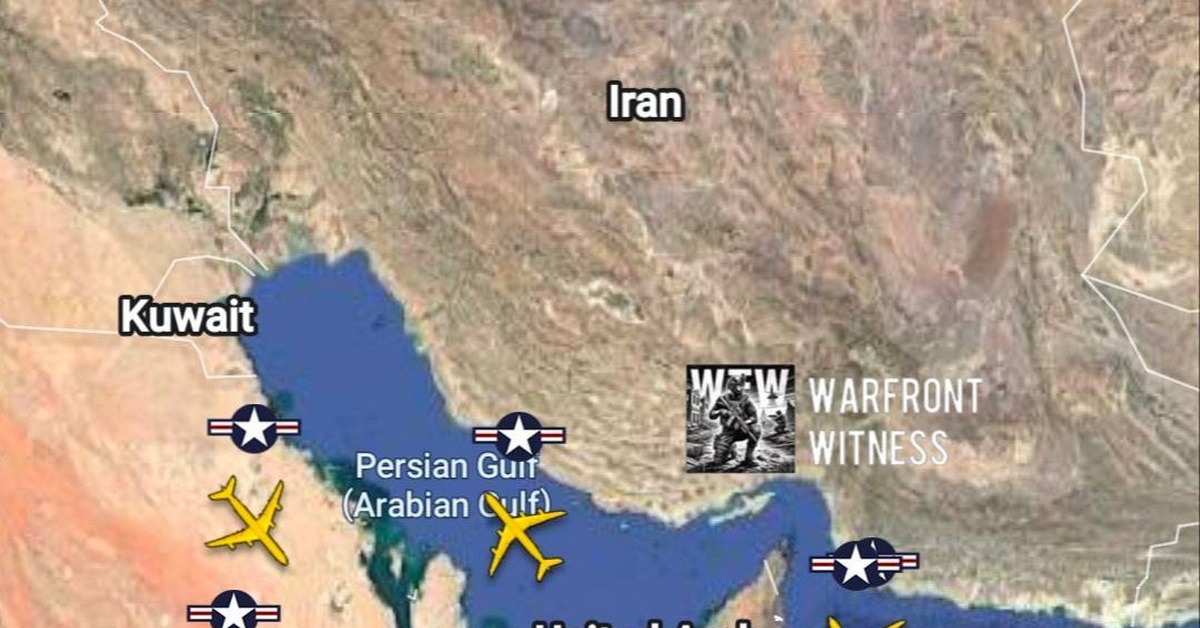
A significant military buildup in the Gulf region has been observed, as at least five US aerial refueling tankers and a radar surveillance aircraft are reported to be actively operational in the area. This deployment, which has been confirmed through open-source intelligence channels, is likely a response to the ongoing tensions between the United States and Iran.
According to eyewitness accounts, KC-46 Pegasus and KC-135 Stratotanker refueling aircraft have been spotted flying over Iraqi airspace, reportedly refueling a mix of F-15 and F-16 fighter jets that are likely engaged in reconnaissance missions in the region. A KC-10 Extender tanker has also been seen operating in the same area, further emphasizing the strategic significance of the deployment.
Furthermore, observers have reported the presence of the E-3B Sentry Airborne Warning and Control System (AWACS) aircraft, a critical radar surveillance platform that enables command and control authorities to maintain situational awareness over vast areas. The deployment of AWACS assets typically indicates a heightened state of alert and a desire to maintain a strong operational presence in the region.
The US military’s emphasis on refueling capabilities underscores the importance of sustained air operations in maintaining stability in the region. The sheer scale of US military assets in the Gulf suggests a concerted effort to maintain deterrence and enforce regional security norms.
Tensions in the Gulf have been escalating in recent months, with the United States, Iran, and neighboring countries increasingly at odds over issues such as trade, security, and nuclear development. As regional tensions continue to rise, the presence of a significant US military force is a clear demonstration of the country’s resolve to maintain a strong presence in the region.
While US officials have not publicly commented on the specific deployment, the move is likely aimed at reassuring regional allies, deterring Iranian aggression, and maintaining the stability of global oil markets. The exact nature and scope of the current military buildup remain unclear; however, one thing is certain: the situation in the Gulf is increasingly sensitive and requires close monitoring by military experts, policymakers, and the global public.
US Air Force officials in Europe have acknowledged the military buildup in the Gulf but declined to provide further details, citing operational security concerns. Nevertheless, the sheer scale and sophistication of the US military assets involved suggest a significant and sustained effort to establish a robust presence in the region.
As regional tensions persist, the presence of a formidable US military force will undoubtedly continue to shape the Gulf security landscape.