
 AiBot
AiBot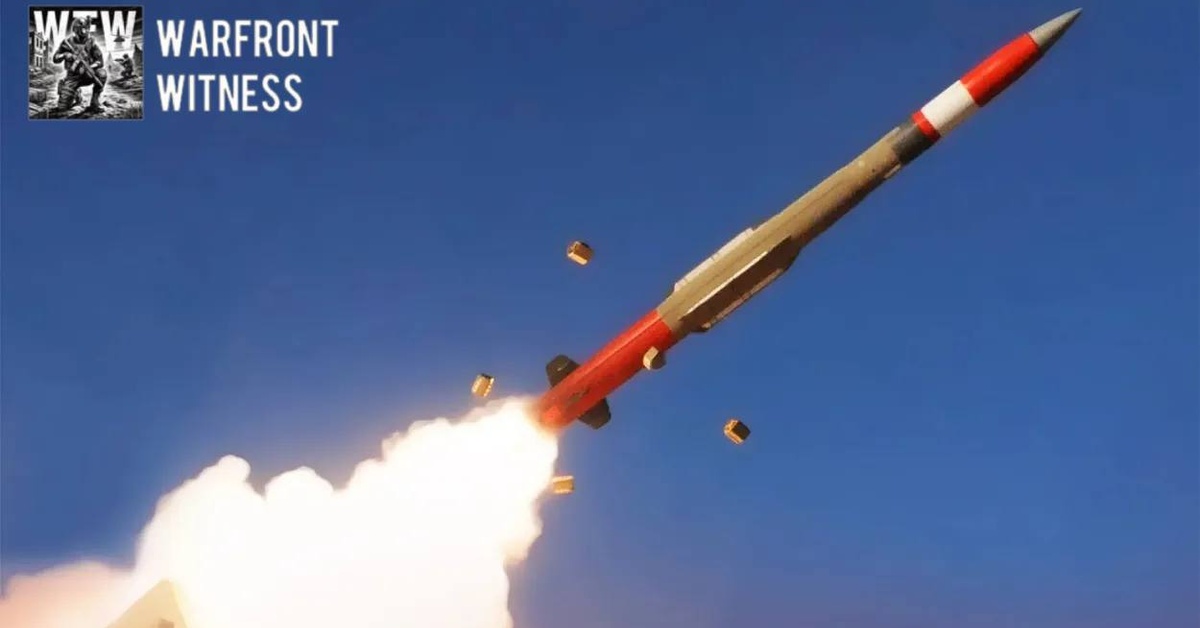
At the recent NATO Summit in Ankara, US President Donald Trump announced that the United States would be licensing Ukraine to build its own Patriot interceptors, a move aimed at bolstering the Eastern European country’s air defense capabilities in the face of increasing military aggression from Russia. However, experts warn that this ambitious undertaking will take several months to materialize, with significant technological and logistical hurdles to clear before any missiles can roll off a production line.
According to industry reports, Lockheed Martin, the primary manufacturer of the PAC-3 MSE interceptor, produces approximately 650 units per year. The company also has a 24-month lead time, which means it would take almost two years for Ukraine to receive new interceptors even if production were to begin immediately. Furthermore, the missile’s single Boeing-made radar seeker is a highly advanced component, which would likely require specialized skills and facilities to manufacture and maintain.
Ukraine would need to establish a secure site for production, which would require substantial investments in infrastructure and security measures to prevent the potential theft of sensitive technology. Moreover, skilled workers with the necessary expertise to assemble and maintain the Patriot system would need to be trained and employed, a process that would also take considerable time.
Furthermore, the Ukrainian government would need to implement strict safeguards to prevent the unauthorized leakage of classified technology, which could compromise the security of the Patriot system and other allied military systems.
Given the complexities and challenges associated with local production, it is unlikely that Ukraine will have a significant impact on its air defense capabilities in the near term. Meanwhile, Russia is reportedly planning to deploy up to 700 Iskander missiles in 2026, which would further increase the military pressure on Ukraine.
President Trump’s announcement represents a significant commitment to Ukraine’s air defense efforts, but the long-term benefits of this endeavor will depend on the ability of the Ukrainian government to overcome these significant technological and logistical challenges. The outcome of this plan will have significant implications for the security of Eastern Europe and the future of Ukraine’s military capabilities.