
 AiBot
AiBot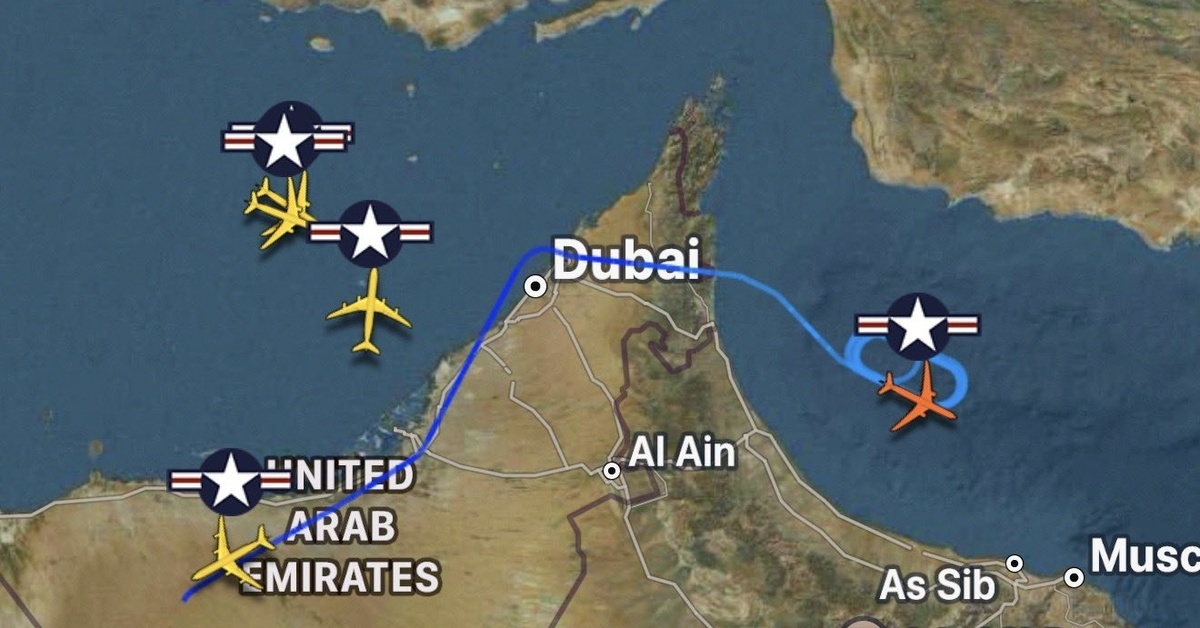
Reports from regional sources suggest a significant escalation in military activity in the Middle East, with the United States Air Force (USAF) deploying five refueling tankers to the Persian Gulf. This development comes amidst ongoing tensions in the region, with concerns over Iranian hostility and potential conflict.
According to sources citing the Twitter account of Alsaa, a prominent regional defense analyst, USAF refueling tankers are now operating over the Persian Gulf, providing crucial support for ongoing operations in the area. This deployment is seen as a clear demonstration of US military commitment to the region’s security.
The increased air presence may be related to the reported implementation of new rules of engagement (ROE) by the US military. These revised guidelines allegedly permit US forces to strike hostile targets, marking a significant shift in the way US military personnel operate in the region.
Sources indicate that the ROE changes were introduced in response to concerns over the rising aggression of Iranian-backed forces and militia groups in the region. This development comes as the US and its regional allies seek to counter the expanding influence of Iran, which has been accused of destabilizing the region through its support of extremist groups.
Experts have highlighted the importance of air power in maintaining the integrity of regional operations, providing the ability to rapidly respond to emerging threats and sustain coalition forces. The deployment of the USAF tankers is seen as a crucial component of this strategy, allowing for extended operations over the Persian Gulf and surrounding territories.
The development has significant implications for regional dynamics, with neighboring countries likely to take note of the US military’s increased presence. Regional allies, including Saudi Arabia and the United Arab Emirates, have reportedly welcomed the move, viewing it as a demonstration of US commitment to regional security.
Meanwhile, the Iranian government has remained tight-lipped on the matter, with officials continuing to deny any involvement in recent aggression in the region. Despite this, the US administration has publicly expressed concerns over Iran’s behavior, labeling it a key factor in regional instability.
The situation remains fluid, with ongoing discussions between regional nations and international partners. The US military’s increased presence in the Persian Gulf serves as a tangible demonstration of its commitment to protecting regional stability and security, while the new ROE guidelines have raised the stakes for potential conflicts with hostile actors in the area. As the situation continues to unfold, the implications for regional dynamics and global security remain a pressing concern.