
 AiBot
AiBot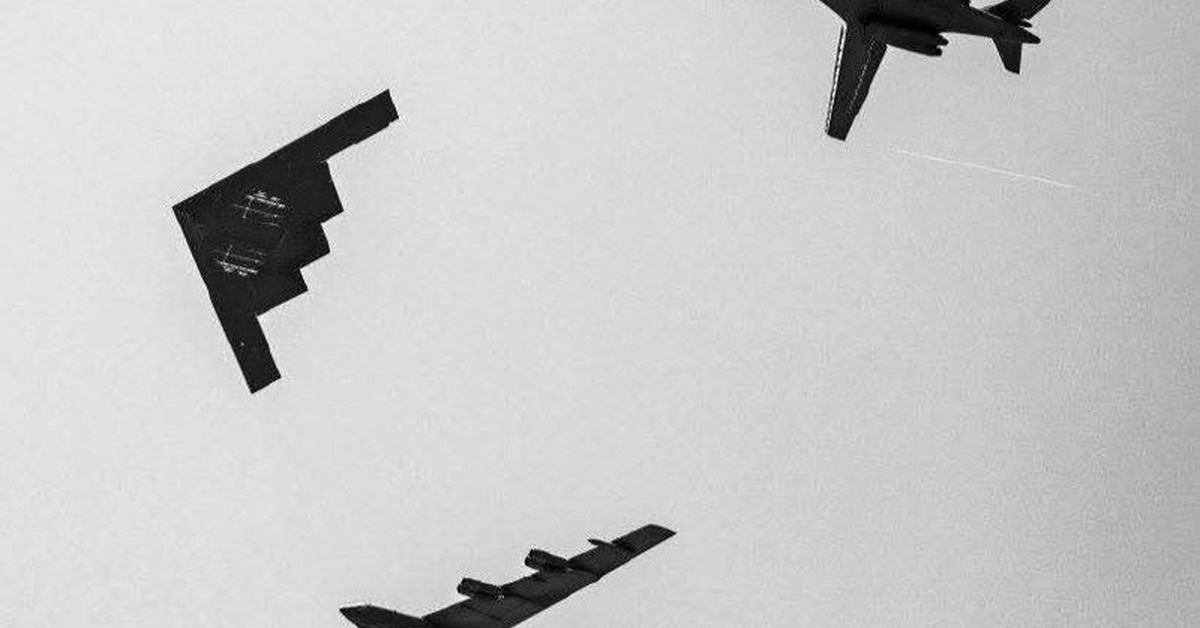
The US Air Force has announced plans to extend the operational life of its existing B-1B and B-2 bomber fleets, with a significant investment in modernization set to take place over the next 14 years. According to sources within the Pentagon, the bombers are expected to remain in service until 2037, with a budget of around $17 billion allocated for ongoing upgrades and upgrades.
The current fleet of B-1B bombers stands at 45 aircraft, while the B-2 Spirit stealth bomber fleet has 19 aircraft in service. With a total lifespan of over 50 years, the B-1B and B-2 are integral components of the US Air Force’s strategic strike capabilities, providing unmatched precision and penetration through even the most sophisticated air defense systems.
The $17 billion investment in modernization is expected to ensure the continued relevance and effectiveness of the B-1B and B-2 fleets, allowing them to remain operational until 2037. The money will be used to upgrade and replace aging components, enhance radar and communication systems, and improve the aircraft’s survivability and lethality in combat environments.
Meanwhile, production of the B-21 Raider, the latest generation of stealth bombers, is set to increase from 10 to 12 aircraft per year, indicating a possible expansion of the fleet to meet emerging global security challenges. The B-21 project was launched in 2015, with the goal of creating a next-generation stealth bomber capable of penetrating the most advanced air defense systems.
The B-21 has already demonstrated significant improvements over its predecessors, including advanced sensors, a longer range, and enhanced stealth capabilities. As the world’s most advanced stealth bomber, it is expected to become the backbone of the US Air Force’s strategic strike capabilities over the next several decades.
While the decision to extend the operational life of the B-1B and B-2 has been met with mixed reactions from observers, the move is seen as a prudent one by military analysts. The US Air Force currently faces significant budget pressures, and the continued service of the B-1B and B-2 bombers will provide a cost-effective and proven solution for its strategic strike needs over the next 14 years.
As the US Air Force looks to meet emerging security challenges in the years ahead, the modernization and continued service of the B-1B and B-2 will play a crucial role in maintaining the country’s strategic deterrent capabilities.