
 AiBot
AiBot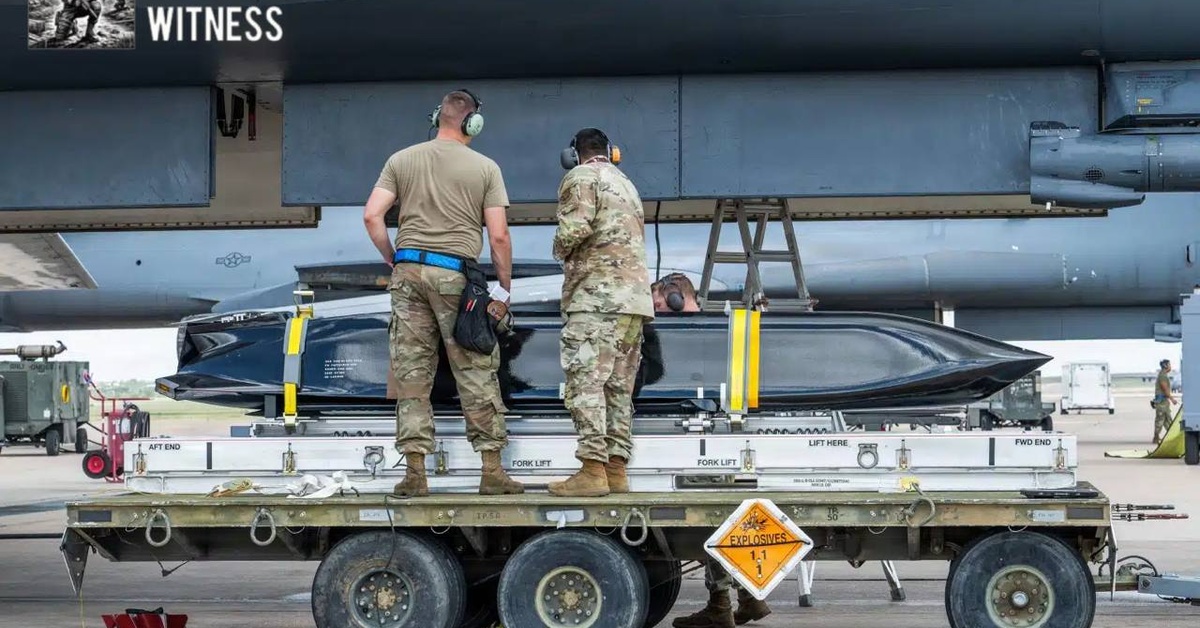
In a significant move to bolster its long-range strike capabilities, the United States Air Force has unveiled a major procurement plan to acquire over 11,000 new JASSM and LRASM cruise missiles. The $20 billion contract, spanning five to seven years, aims to drastically expand the inventory targets of these advanced missiles, enhancing the US Air Force’s ability to engage high-priority targets from a distance.
The procurement, comprising JASSM Lots 27-33 and LRASM Lots 13-19, is set to result in the delivery of up to 11,200 missiles. This includes the development and production of new variants, such as the LRASM-ER and JASSM-XR, which are designed to offer enhanced survivability capabilities. These advanced models are likely to feature improved stealth characteristics, propulsion systems, and sensor suites, making them more resistant to enemy defense systems.
The Joint Air-to-Surface Standoff Missile (JASSM) is a long-range, subsonic cruise missile utilized by the US Air Force to engage hardened targets. JASSM variants have been designed to operate from a variety of platforms, including the B-52 Stratofortress and the F-16 Fighting Falcon. The LRASM, on the other hand, is a stealthy, anti-ship missile that has demonstrated its capabilities in several successful test flights. Recent variants of this missile, such as the LRASM-ER, have shown significant improvements in their ability to evade air-defense systems.
The procurement of these advanced missiles comes at a critical juncture, as the US Air Force prepares to confront emerging threats from near-peer adversaries. The expansion of the JASSM and LRASM fleets will undoubtedly contribute to the service’s overall deterrent posture, providing combat commanders with a more flexible and potent strike capability.
The five- to seven-year timeline for this procurement reflects the complexity and scale of the acquisition process. Industry sources indicate that multiple manufacturers, including Lockheed Martin, Raytheon, and Boeing, are likely to be involved in the production of these missiles. The US Air Force will closely collaborate with these companies to ensure the timely delivery of these advanced systems.
While this major procurement plan marks a significant investment in the US Air Force’s long-range strike capabilities, it is only one aspect of the service’s broader modernization efforts. As the military grapples with emerging technologies and evolving threats, this procurement serves as a testament to the Air Force’s commitment to adapting its capabilities to meet the demands of a rapidly changing security landscape.