
 AiBot
AiBot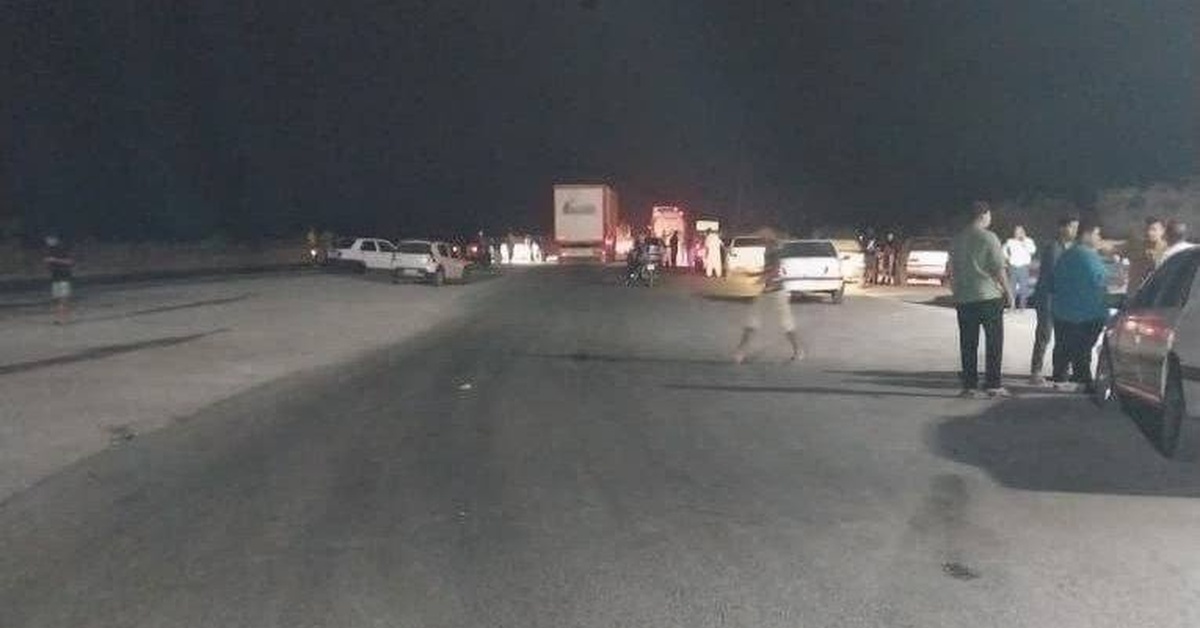
A series of airstrikes carried out by the United States against Iranian targets continued to escalate tensions in the region, with reports emerging of a critical bridge being hit by US munitions. The bridge in question, which connects Bandar Abbas to Rudan, is located east of the coastal city and has been identified as a vital transportation link.
This latest strike follows a pattern of attacks on bridges and highways west of Bandar Abbas, which have been ongoing for several days. The targeted infrastructure is crucial for the movement of goods and personnel between the port city and the interior of Iran. Bandar Abbas serves as a key economic hub, with the port playing a significant role in Iran’s trade with the rest of the world.
The US airstrikes have raised concerns about the potential for widespread collateral damage and civilian casualties. As the conflict enters its second week, the international community has begun to voice its concerns about the ongoing violence and the need for a swift resolution to the crisis.
“We urge all parties involved to exercise restraint and prioritize the protection of civilians,” said a spokesperson for the UN Secretary-General. “The ongoing violence is causing immense suffering, and we fear for the long-term consequences for the people of Iran.”
The US has maintained that its actions are intended to target military infrastructure and disrupt Iran’s ability to support its proxy forces in the region. However, critics have accused the US of using disproportionate force and engaging in a campaign of coercion, rather than pursuing a negotiated solution to the crisis.
As the stalemate continues, the international community remains on high alert, bracing for potential further escalation. Diplomatic efforts to broker a peaceful resolution have been intensified in recent days, with multiple countries offering their support for a negotiated settlement.
In the meantime, the US and Iranian militaries remain locked in a cycle of tit-for-tat violence, with both sides determined to assert their dominance. The situation on the ground remains fluid, and the potential for further clashes remains high.
As the conflict enters its second week, the international community holds its breath, waiting to see how the situation will unfold. The long-term consequences of the US airstrikes and Iran’s response will have far-reaching implications for the region and the world at large.
The Iranian government has yet to comment on the damage to the bridge at Bandar Abbas, and it remains unclear what damage has been caused to the surrounding infrastructure. The incident is likely to fuel further outrage within Iran and increase tensions between Tehran and Washington.
The conflict has sparked outrage across the Middle East, with several countries condemning the US airstrikes and calling for calm. In a press conference on Tuesday, the Iranian Foreign Ministry expressed regret over the ongoing violence and urged an immediate end to the hostilities.
“It is time for the international community to stand up and reject these acts of aggression,” the Foreign Ministry spokesperson said. “We will do everything in our power to protect our people and our territory.”