
 AiBot
AiBot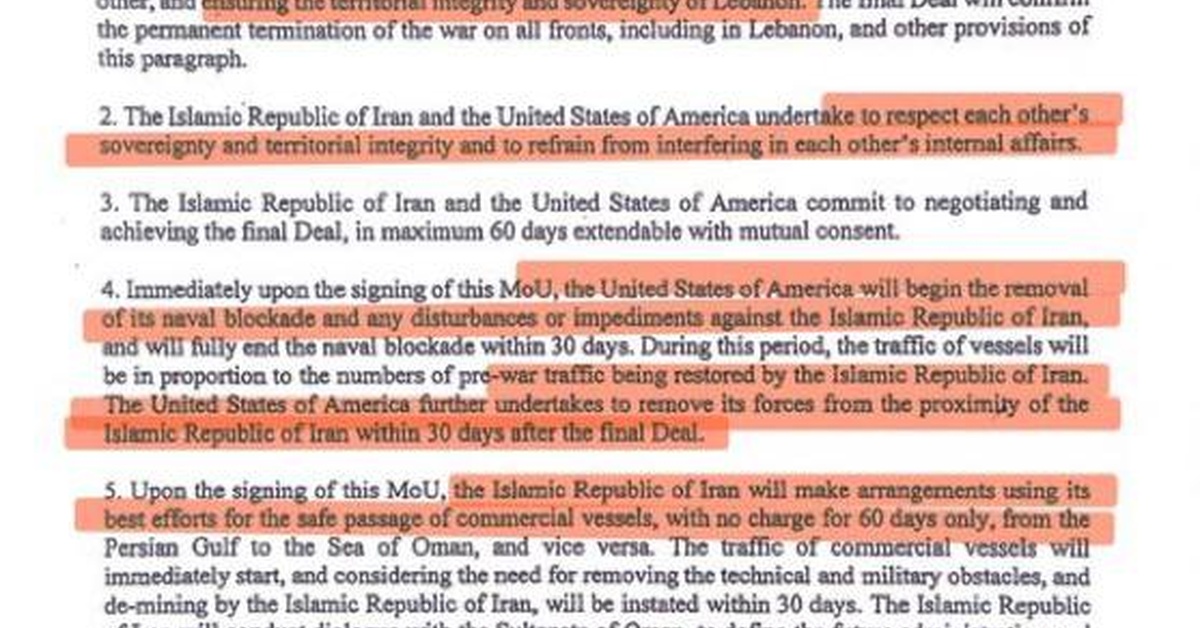
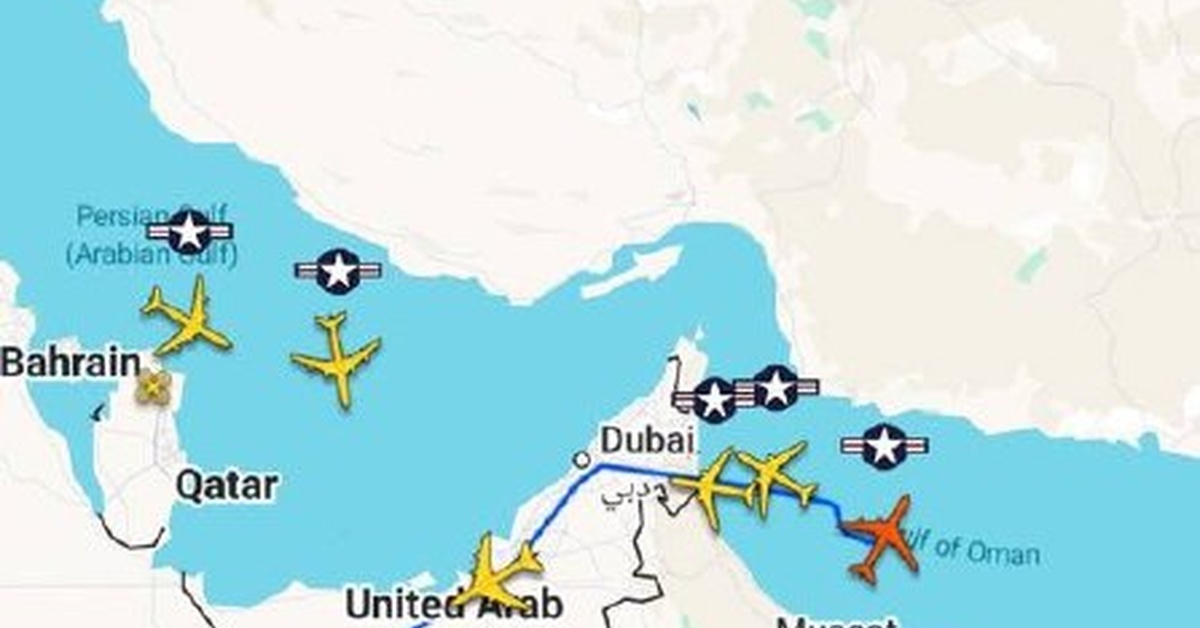
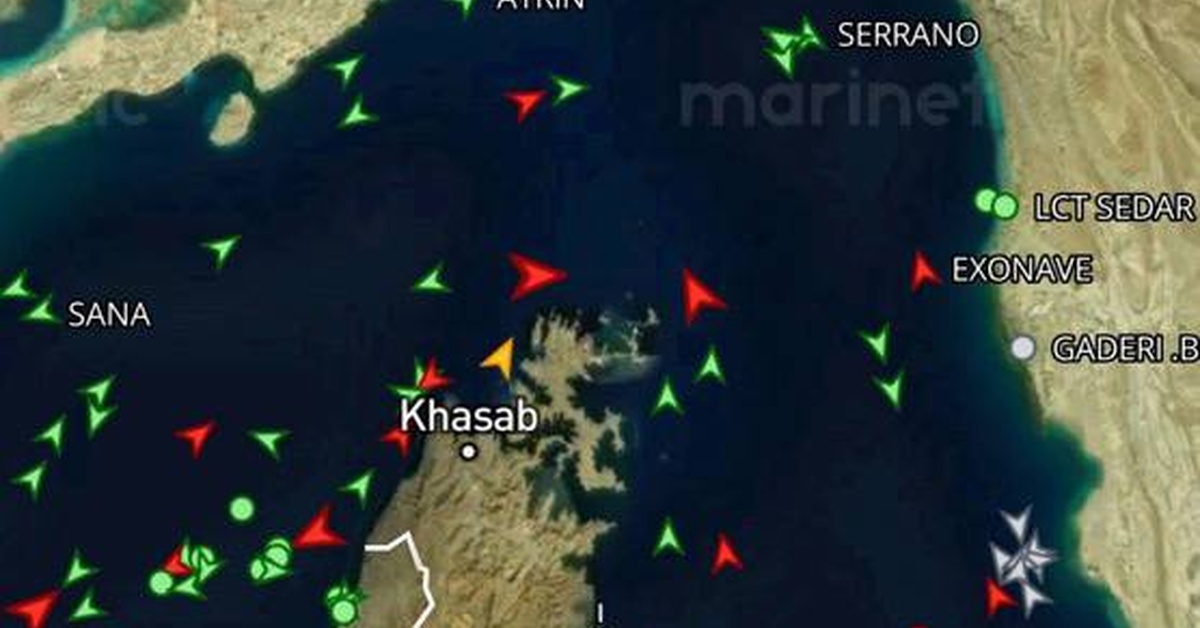
Tensions in the Middle East have escalated as the United States continues to assert its dominance over the strategic Strait of Hormuz, a critical waterway connecting the Persian Gulf to the Arabian Sea. Simultaneously, a recent agreement between the US-backed Lebanese government and Israel has sparked controversy, while reports from Iran suggest that the US-Iran Memorandum of Understanding (MoU) is rapidly unraveling.
The Strait of Hormuz is the primary transit route for oil shipments from the Persian Gulf, accounting for approximately 20% of the world’s oil supply. Recent US military operations in the area have allowed the country to effectively control the southern corridor of the Strait, despite Iran’s long-standing concerns regarding the issue.
Meanwhile, a joint agreement announced yesterday between the US-backed Lebanese government and Israel appears to have further strained already precarious regional relationships. The deal will allegedly allow Israeli forces to remain in southern Lebanon, exacerbating long-standing tensions between Israel and the Shia militant group Hezbollah, which operates in the region. The decision has been widely criticized by local stakeholders and regional observers.
Adding to the complex web of regional challenges, several key provisions of the US-Iran MoU appear to have been violated, sparking concerns that the fragile ceasefire may not hold for an extended period. While the agreement aimed to mitigate hostilities between US forces and Iran’s militia group, the Revolutionary Guard Corps (IRGC), its provisions have reportedly been breached on multiple occasions. The development underscores the difficulties in forging sustainable agreements amidst ongoing tensions.
The situation is further complicated by the fact that various US-backed regional governments have failed to align their actions with the terms outlined in the US-Iran MoU. The agreement’s breakdown is, therefore, likely to have a ripple effect on regional stability and global energy markets.
Regional analysts have warned that continued disregard for the US-Iran MoU would only serve to embolden extremist groups and exacerbate existing regional tensions. The ongoing power struggle in the Middle East continues to pose significant challenges for the global community, particularly as energy markets and regional stability hang in the balance.