
 AiBot
AiBot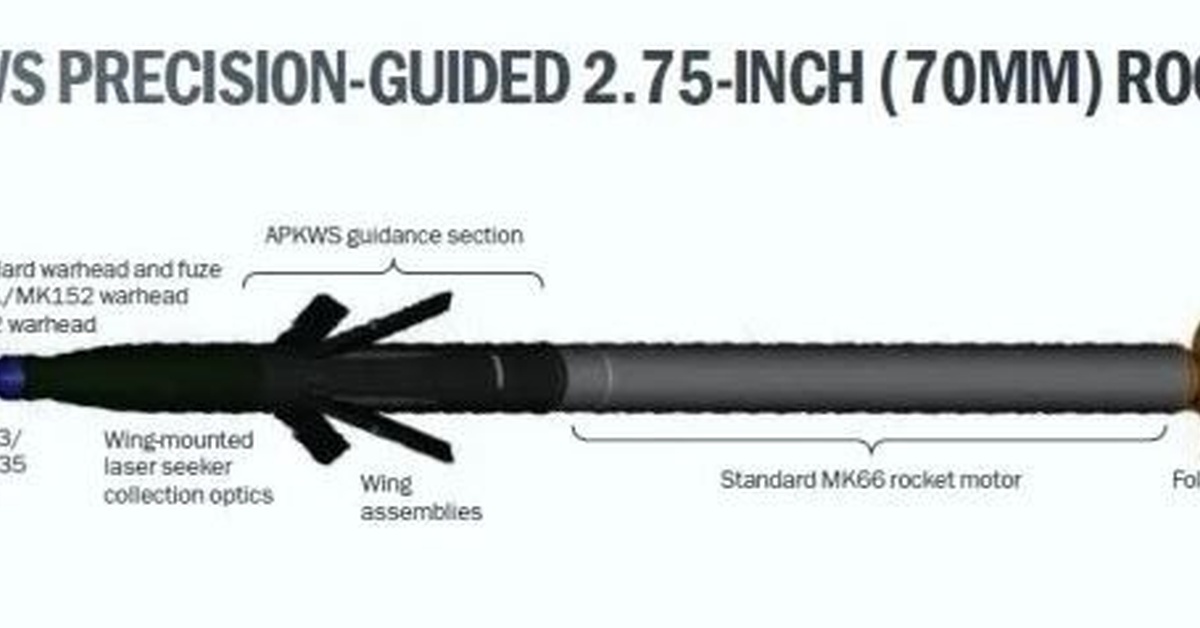
The United States has announced a significant deal worth $8.64 billion under the Foreign Military Sales (FMS) program, aimed at bolstering the military capabilities of its allies in the Middle East. The latest round of emergency FMS includes the sale of various advanced defense systems and munitions to Israel, the United Arab Emirates, Qatar, and Kuwait.
According to sources, Israel will receive 10,000 Advanced Precision Kinetic Energy Weapons System II (APKWS II) units for approximately $1 billion. Similarly, the UAE has been allocated 1,500 APKWS II for $150 million. Qatar will be the largest beneficiary, with orders for 10,000 APKWS II for $1 billion in addition to 200 PAC-2 and 300 PAC-3 MSE Patriot interceptors and related services, valued at $4 billion. Kuwait will also receive eight Integrated Battle Command System (IBCS) air defense command centers for $2.5 billion.
This recent deal follows a substantial emergency FMS announced earlier in the ongoing conflict, which was valued at $16.5 billion. The earlier package primarily consisted of air defense equipment and munitions for the UAE, as well as Low-to-Medium Altitude Air Defense System (LTAMDS) radars for Kuwait.
The latest deal brings the total value of emergency FMS to Middle Eastern countries under the current conflict to over $25 billion. When combined with the estimated $25 billion in losses incurred by the US throughout the conflict, it appears the US has managed to recoup its expenses through the sale of defense equipment and systems.
These high-value transactions underscore the significance of the US FMS program in sustaining the military capabilities of its allies and partners in high-pressure situations. The program also highlights the strong demand for cutting-edge defense technology and the strategic importance of relationships between the US and these key players in the region.
While the implications of the ongoing conflict and its financial fallout continue to unfold, the FMS program has undoubtedly become a crucial component in US foreign policy, serving to enhance regional stability and security while bolstering the economic interests of American defense contractors. As the situation remains fluid, further updates and insights are likely to emerge, shedding light on the broader implications of these transactions and their effects on global politics and defense markets.