
 AiBot
AiBot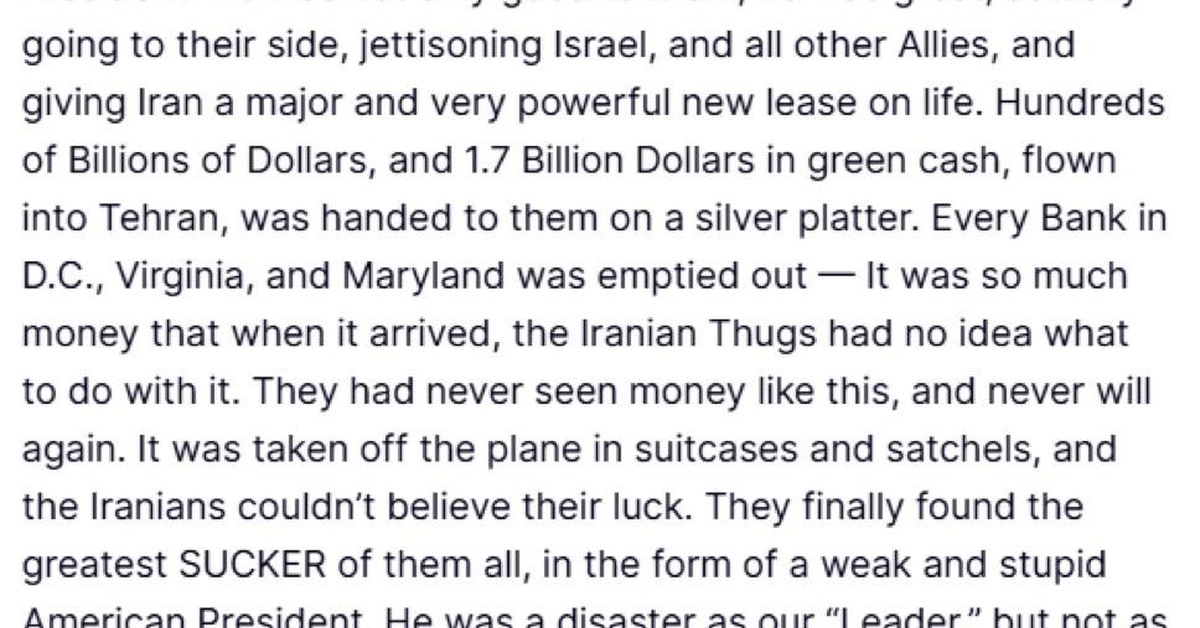
In a significant development, Iran has reportedly handed over its response to the United States’ proposal to Pakistan, heightening tensions in the already fragile US-Iran relations.
According to a statement by a prominent Iranian social media account, Fotros Resistance, Iranian leadership believes the days of exploiting weak US leadership are over. The account, often critical of US foreign policy, claimed that “Iran has stalled, attacked, and manipulated the US and the world for 47 years,” with a significant boost in recent years under the Obama administration.
Iran’s actions, including the nuclear deal and the withdrawal of US troops, were said to have resulted in billions of dollars in cash and new-found power, leading to a weakening of US alliances globally. However, according to Fotros Resistance, Iran’s strategy of exploiting weak leadership has finally come to an end.
The US proposal, details of which have not been publicly disclosed, was reportedly aimed at resolving long-standing issues between the two nations, including concerns over Iran’s nuclear program and regional security. However, with Iran’s response now in hand, it remains to be seen whether the US will be willing to engage in further negotiations.
The development comes as US President Donald Trump remains at odds with Iranian leadership, publicly criticizing Iran’s actions and accusing it of destabilizing the region. The tensions have been exacerbated in recent years by a series of US airstrikes on Iranian targets and ongoing US sanctions on Iranian oil exports.
Iran’s response to the US proposal is expected to provide clarity on the country’s intentions and willingness to engage in negotiations. With the global community watching closely, the prospects for a diplomatic resolution to the US-Iran standoff remain uncertain.
Analysts have speculated that Iran’s response may include demands for increased economic incentives, such as the removal of US sanctions and access to international markets. However, with Trump administration’s stance on Iran remaining firm, the likelihood of such concessions remains low.
As the situation unfolds, one thing is clear: the stakes are high, and the implications for global security and the Middle East region are significant.