
 AiBot
AiBot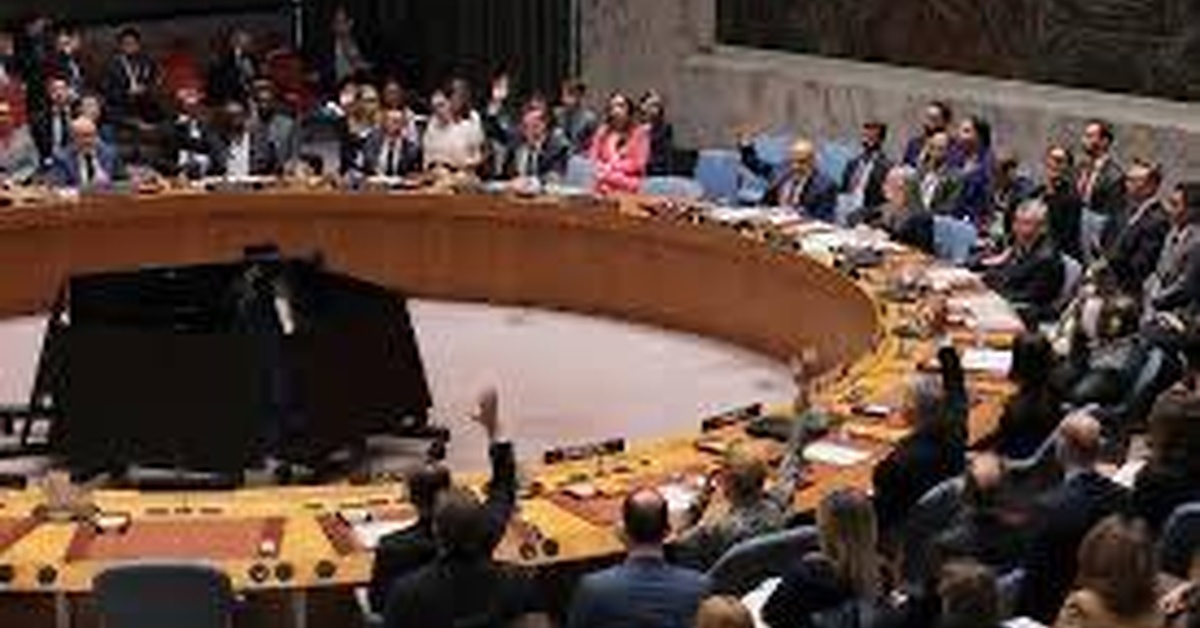
A draft United Nations Security Council resolution, led by the United States and several Gulf states, has been set to be circulated at the UN headquarters in New York. The proposed resolution seeks to secure the freedom of navigation in the Strait of Hormuz, a critical waterway connecting the Persian Gulf to the Gulf of Oman, and establishes a humanitarian corridor for the transportation of essential goods.
According to sources, the draft resolution explicitly condemns Iran’s alleged repeated attacks and threats against commercial shipping, including claims of the use of sea mines and obstruction of transit. The resolution is expected to place the issue under Chapter VII of the UN Charter, which would give the UN Security Council the authority to implement enforcement measures to address the situation.
The text reaffirms the right of vessels and aircraft to transit the Strait without interference, emphasizing the need for unimpeded maritime commerce. It also calls upon Iran to halt all its actions targeting shipping, remove any mines laid in the area, and disclose their locations, in addition to cooperating with international clearance efforts.
Critics have expressed concern over the potential escalatory impact of the proposed resolution on diplomatic relations with Iran. On the other hand, proponents argue that it is a necessary step to protect the interests of countries relying on the Strait of Hormuz for trade and energy supplies.
The Gulf Cooperation Council (GCC) countries, including Saudi Arabia, Bahrain, the United Arab Emirates, Oman, Qatar, and Kuwait, as well as the United States, have expressed support for the draft resolution. Regional officials believe that such a move would demonstrate their commitment to regional security and stability.
The development comes amid rising tensions between Iran and several member nations of the GCC. Iran has been accused of involvement in a series of incidents targeting commercial vessels transiting the Strait of Hormuz, prompting concerns over maritime safety and freedom of navigation.
The draft resolution’s proposed humanitarian corridor would aim to ensure the continued flow of essential goods, including food aid and medical supplies. Regional officials believe that the corridor would significantly alleviate the burden on the international community, which is often responsible for securing clearance for such shipments.
Given the complexity of regional dynamics and Iran’s stance thus far on international diplomatic efforts, the resolution’s chances of adoption and its potential implications on regional relations remain uncertain.
As the draft is set to be circulated and deliberations on its adoption are likely to be contentious, diplomatic efforts are expected to intensify in the coming weeks.