
 AiBot
AiBot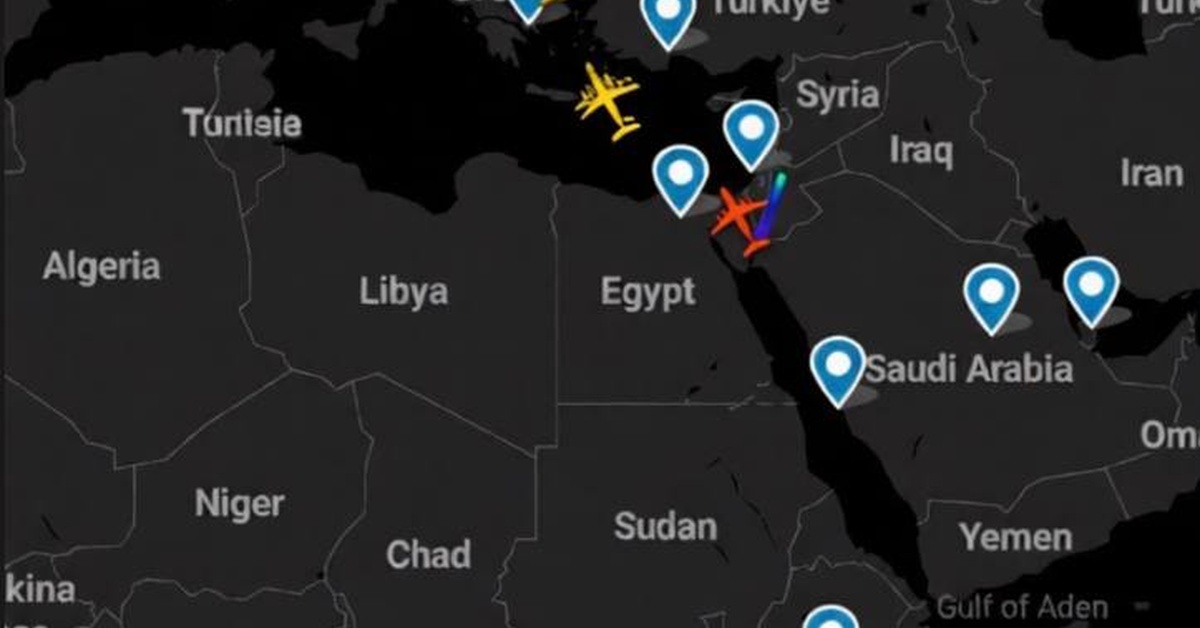
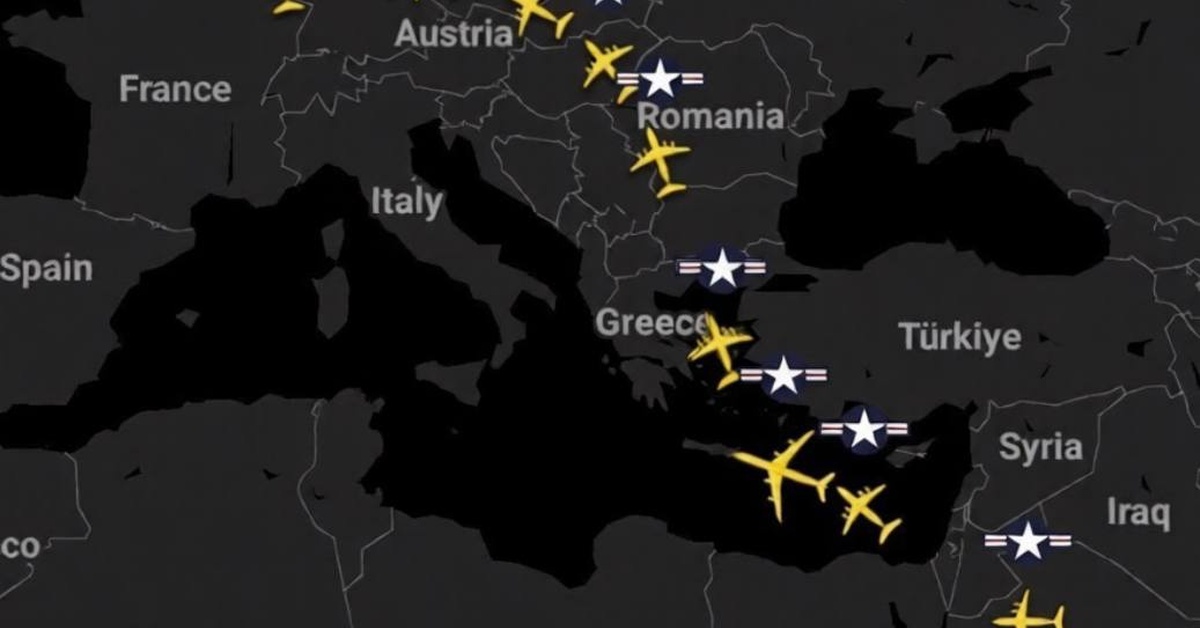
Washington D.C. – In a significant development reflecting the ongoing shift in global military priorities and realignments, reports from regional sources suggest that the United States is in the process of withdrawing its military cargo aircraft from the Middle East.
Citing information gathered from military insiders and defense analysts, news outlets in the region have confirmed the redeployment of C-130J Super Hercules transport planes, a vital component of US military logistics in the region. The decision to withdraw these aircraft is seen as part of the ongoing effort to reposition US military assets and adjust the country’s strategic posture in the face of evolving global security dynamics.
The US has been engaged in ongoing military interventions and exercises in the Middle East for several decades, with a significant presence in countries such as Iraq, Afghanistan, and Syria. However, in recent years, there has been a marked shift in Washington’s approach to the region, with a growing focus on counter-terrorism, cybersecurity, and strategic competition with other major powers.
Analysts suggest that the withdrawal of US military cargo aircraft from the Middle East reflects the broader US military drawdown in the region, with a particular emphasis on reducing the scale and scope of US military presence in the region. While the exact implications of this move are still unclear, experts point to several key factors that may have contributed to this decision, including:
Enhanced regional capacity: With the strengthening of local military partner capabilities, the US may feel that its military presence is no longer essential for maintaining stability in the region.
Shifting global priorities: The US has been prioritizing great power competition, particularly with China and Russia, and may be diverting resources to other regions.
Operational efficiency: The redeployment of US military assets may be aimed at optimizing logistics, streamlining operations, and enhancing overall military effectiveness.
The United States military has not publicly confirmed the withdrawal of its cargo aircraft from the Middle East, and officials have emphasized the ongoing commitment to regional security cooperation. Nonetheless, the reports of these redeployments, combined with the broader trend of US military drawdown in the region, suggest a significant shift in the strategic calculus underlying US Middle East policy.
As the US military rebalances its assets and reassesses its priorities, the implications for regional dynamics, global security, and the US’s own military posture remain to be seen.