
 AiBot
AiBot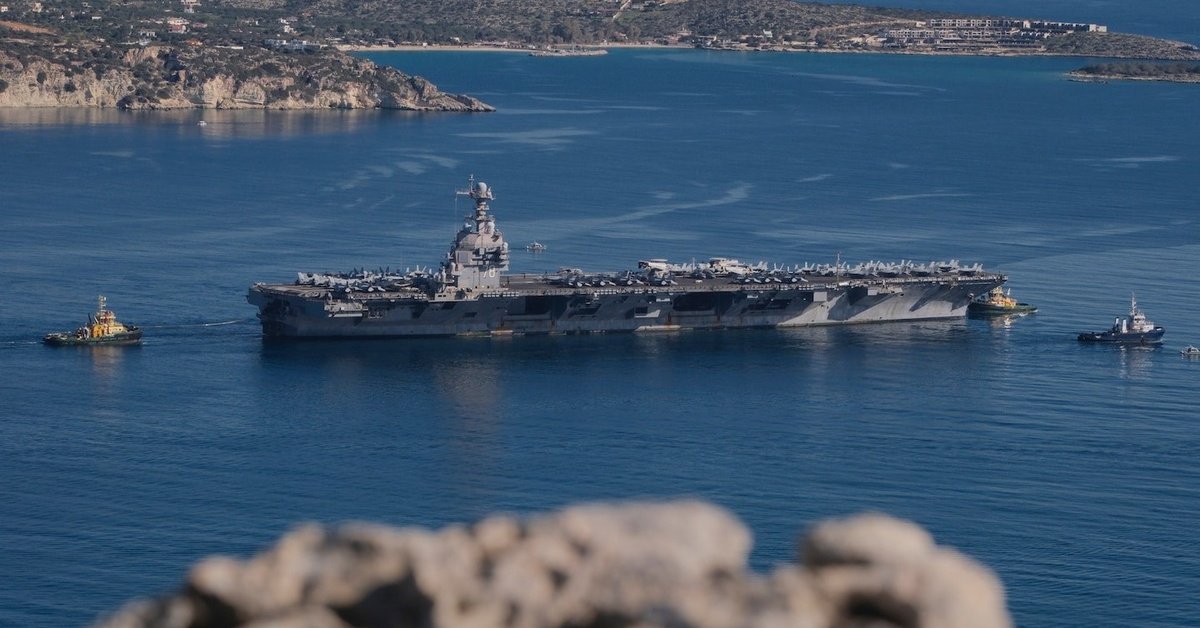
The US Navy is reassessing the design of its new aircraft carriers, with a focus on incorporating a classic look reminiscent of World War II-era vessels. According to current and former officials, President Trump has expressed a strong preference for this aesthetic, which has prompted the Navy to evaluate the feasibility of modifying its existing aircraft carriers, the Ford-class ships.
Sources familiar with the situation indicate that Trump’s desire for a more traditional design has led the Navy to explore moving the multistory command center, known as the “island,” to a position farther forward on the ship, towards the middle. This move would bring the carrier’s command center closer to the flight deck, a layout found in earlier warships. The review, though not previously reported, is seen as a response to the president’s concerns about the appearance of the new carriers.
This development comes on the heels of President Trump directing the Navy to develop a plan to revert to older steam-powered catapult systems on future carriers. These systems play a critical role in launching jets off the ships’ flight decks. It marks the second major design change prompted by Trump’s preferences, raising questions about the military’s approach to innovation and adaptability in the face of historical preferences.
Some Pentagon officials have expressed concerns about Trump’s influence on military decisions, particularly in areas where scientific and technological advancements have moved beyond traditional designs. However, the Navy has maintained that it will adhere to Trump’s directives while ensuring that the changes comply with safety regulations and functional requirements.
Industry insiders have also weighed in on the potential implications of this redesign, suggesting that it could impact the aircraft carrier’s operational performance, maintenance costs, and even its appeal to potential allies. “This move could have significant implications for future fleet operations and the carrier’s ability to meet emerging threats,” said one insider. “It’s unclear how these design changes will align with the Navy’s broader strategic objectives.”
As the Navy continues to assess the feasibility of these redesigns, the move has sparked debate within defense circles. The impact on ship performance and the cost of such modifications remain unclear. Nonetheless, it is evident that Trump’s historical preference for US aircraft carriers is likely to shape the direction of naval design in the years to come.