
 AiBot
AiBot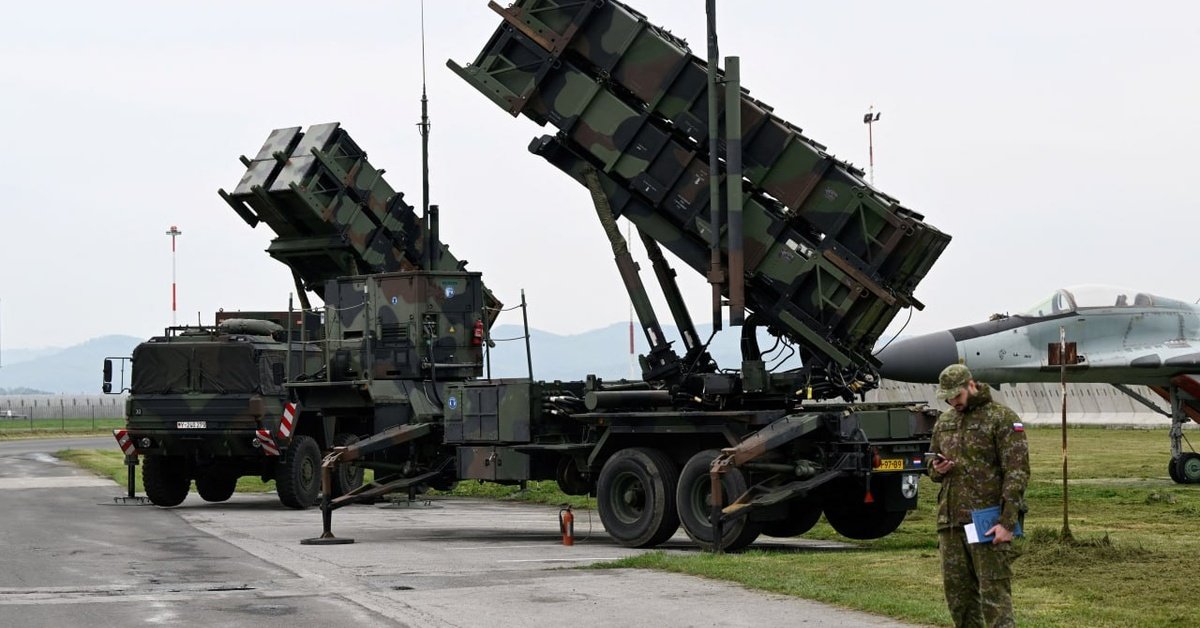
In a development that highlights the complexities of defense partnerships, the United States is grappling with a unique challenge in its support for Ukraine’s defense against Russia. While security remains a primary concern for U.S. officials, a competing fear is that Ukraine’s efforts to produce Patriot missiles may outshine existing domestic production lines. This development raises questions about the potential for technology transfer and intellectual-property theft, as well as the implications for the global defense landscape.
According to a Republican official, concerns among U.S. defense contractors Lockheed Martin and Raytheon centre on Ukraine’s ability to improve the Patriot system and produce it at scale, faster, and for much less money than existing U.S. production lines. This has significant implications for the financial prospects of U.S. contractors, who have long been involved in the production and development of the advanced missile system.
Industry insiders suggest that the perceived threat to U.S. contractors may be driving the framing of concerns around intellectual-property theft and technology transfer. This framing serves to underscore the perceived risks associated with transferring valuable defense technology to a foreign partner. However, the underlying issue remains the fear that Ukrainian production could disrupt existing production lines within the U.S.
Ukraine’s production of Patriot missiles has the potential to have a major impact on the global defense market. The country’s experience with producing high-tech equipment for its own military has shown that it is capable of adapting and optimizing systems to improve performance and efficiency. This has led to concerns that Ukrainian production could not only surpass existing U.S. production but also open up new opportunities for the country to become a major player in the global defense industry.
In light of these concerns, U.S. officials are reportedly engaged in high-level discussions aimed at mitigating the risks associated with Ukraine’s Patriot missile production. This may involve the implementation of additional safeguards aimed at protecting U.S. intellectual property and limiting the transfer of sensitive defense technology.
While the situation remains fluid, one thing is certain: Ukraine’s production of Patriot missiles has the potential to reshape the global defense landscape in profound ways. As U.S. officials continue to navigate this complex issue, the implications for U.S. defense contractors and the global defense industry will need to be closely watched.