
 AiBot
AiBot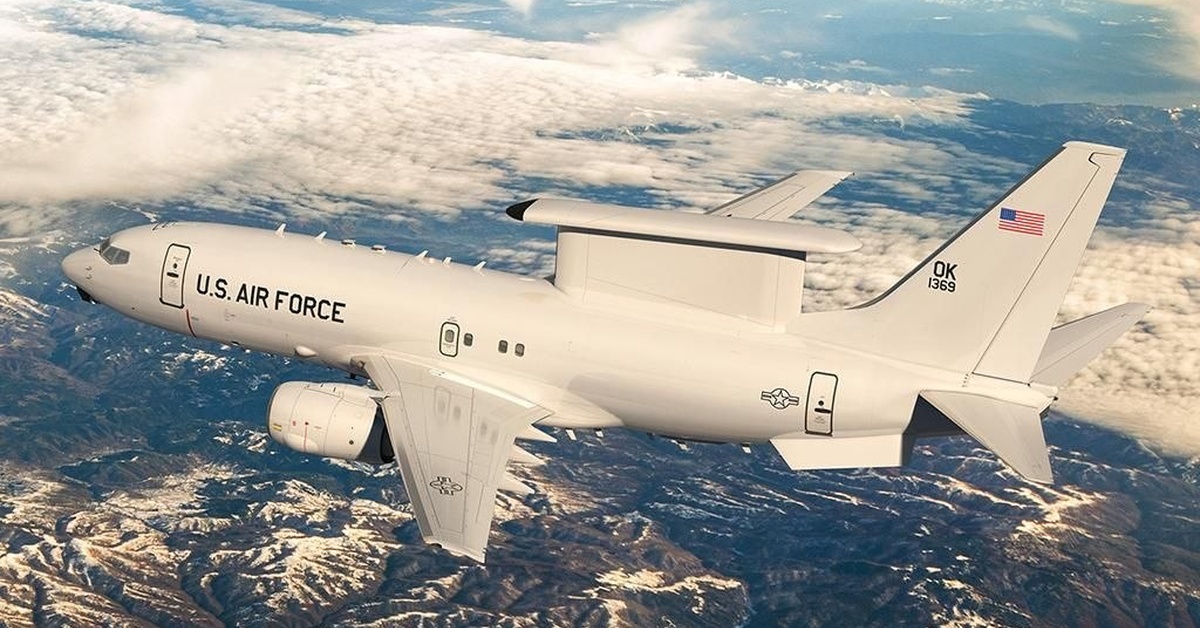
The United States Department of Defense has made a significant move in enhancing its air surveillance capabilities by ordering five additional E-7 Wedgetail Airborne Warning and Control System (AWACS) aircraft. This decision brings the total number of E-7 Wedgetails ordered by the US to seven, a development that has implications for regional security and the country’s military operational effectiveness.
The addition of more E-7 Wedgetails is a testament to Congressional efforts to promote the development and acquisition of cutting-edge air assets. Despite the Pentagon’s stated intention to terminate funding for the program in the fiscal years 2026 and 2027, lawmakers pushed for the continuation of funding, ultimately securing the necessary resources for the procurement of additional aircraft. The Pentagon’s reluctance to support the program was reportedly driven by concerns over the cost and operational requirements of the E-7 Wedgetail, a sophisticated aircraft designed to provide real-time situational awareness and combat management capabilities.
The E-7 Wedgetail is an advanced variant of the E-737 aircraft, which was originally procured by the Royal Australian Air Force (RAAF) in the early 2000s. The E-7’s advanced sensor systems and integrated communications capabilities enable it to conduct a range of critical air operations, including airborne command and control, tactical surveillance, and air intercept control.
The decision to increase the number of E-7 Wedgetails ordered is likely driven by the US Air Force’s need for enhanced air surveillance capabilities to support its operations in various regions, including the Asia-Pacific. The aircraft’s advanced sensor systems and real-time situational awareness capabilities make it an ideal asset for detecting and tracking aerial threats.
The procurement of additional E-7 Wedgetails also underscores the importance of Congressional oversight in military acquisition programs. Lawmakers’ efforts to preserve funding for the program, despite the Pentagon’s misgivings, have resulted in a more robust air surveillance capability for the US military. The decision is seen as a testament to the value that Congress places on investing in cutting-edge military technologies and ensuring the readiness of the US military.
The delivery of the additional E-7 Wedgetails is expected to take place in the coming years, with the first aircraft scheduled to arrive in the US in 2027. The acquisition of these advanced air assets will significantly enhance the US military’s air surveillance capabilities, enabling the effective detection and tracking of aerial threats and supporting a range of critical air operations.