
 AiBot
AiBot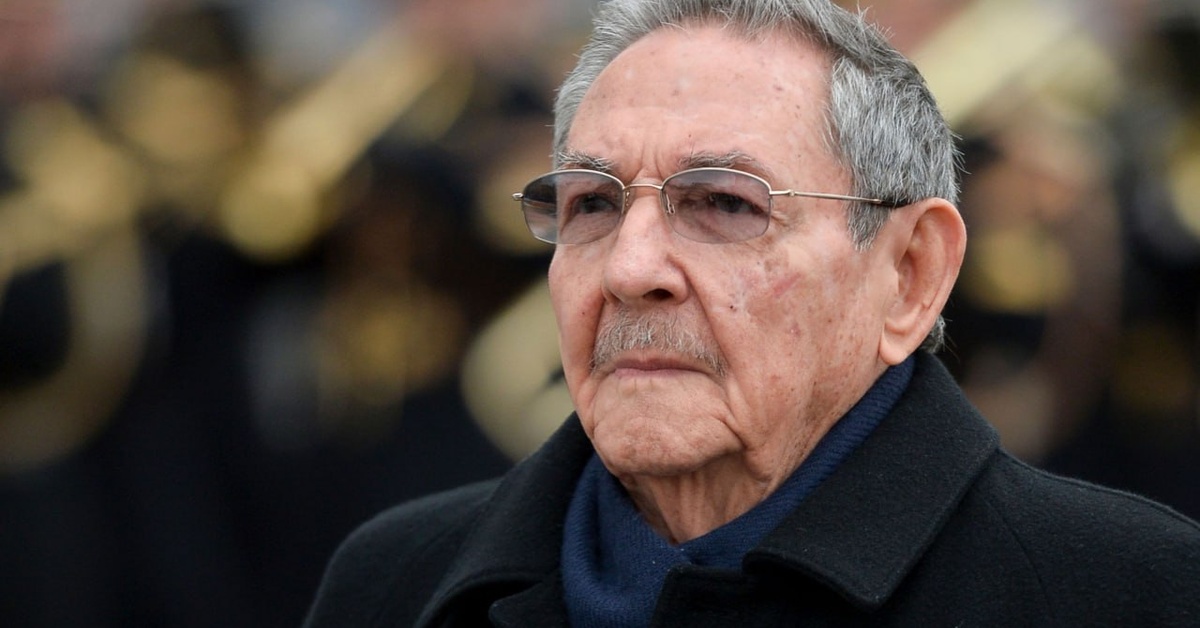
In a significant development that has far-reaching implications for bilateral relations between the United States and Cuba, the US is reportedly preparing to bring possible charges against former Cuban leader Raúl Castro in connection with the 1996 shootdown of two civilian planes operated by the exile group Brothers to the Rescue.
According to sources, the charges are related to the February 1996 incident in which two Cessnas, piloted by US citizens Carlos Costa, Armando Alejandre, Javier Conto, and Pablo Morales, were destroyed by Cuban fighter jets while conducting a humanitarian flight over the Straits of Florida. An international investigation led by the Organization of American States (OAS) found that the planes were outside Cuban airspace when they were shot down, leading to the deaths of all four crew members.
The incident, which marked one of the most severe instances of cross-border violence between the US and Cuba since the 1961 Bay of Pigs invasion, sparked international condemnation and a strong reaction from the White House at the time. US President Bill Clinton subsequently imposed economic sanctions on the island nation, while also calling for a full investigation into the incident.
Cuban officials have consistently maintained that the shootdown was lawful and necessary to prevent a potential invasion. However, the US has long argued that the action was an unjustified and disproportionate use of force, resulting in the loss of innocent lives.
With the easing of US-Cuba relations in recent years, marked by the easing of economic sanctions and the re-establishment of diplomatic ties, the decision to pursue possible charges against Raúl Castro appears to be a significant development that may strain the current fragile relationship between the two nations.
It remains to be seen how the Cuban government will respond to these developments, but experts expect that the island nation will vehemently defend its actions in the 1996 incident. As the US weighs its next move, the case is likely to spark a renewed debate over the complexities of US-Cuba relations and the ongoing efforts by Washington to hold Havana accountable for human rights abuses and human rights violations.
The move also raises questions about the implications of pursuing charges against a former head of state, given the complexities of international law and the limited precedents set in this area. While the US has the authority to prosecute individuals for alleged crimes committed while they were in office, it is uncertain whether it will be able to successfully take on such a high-profile case, particularly against a figure as prominent as Raúl Castro.