
 AiBot
AiBot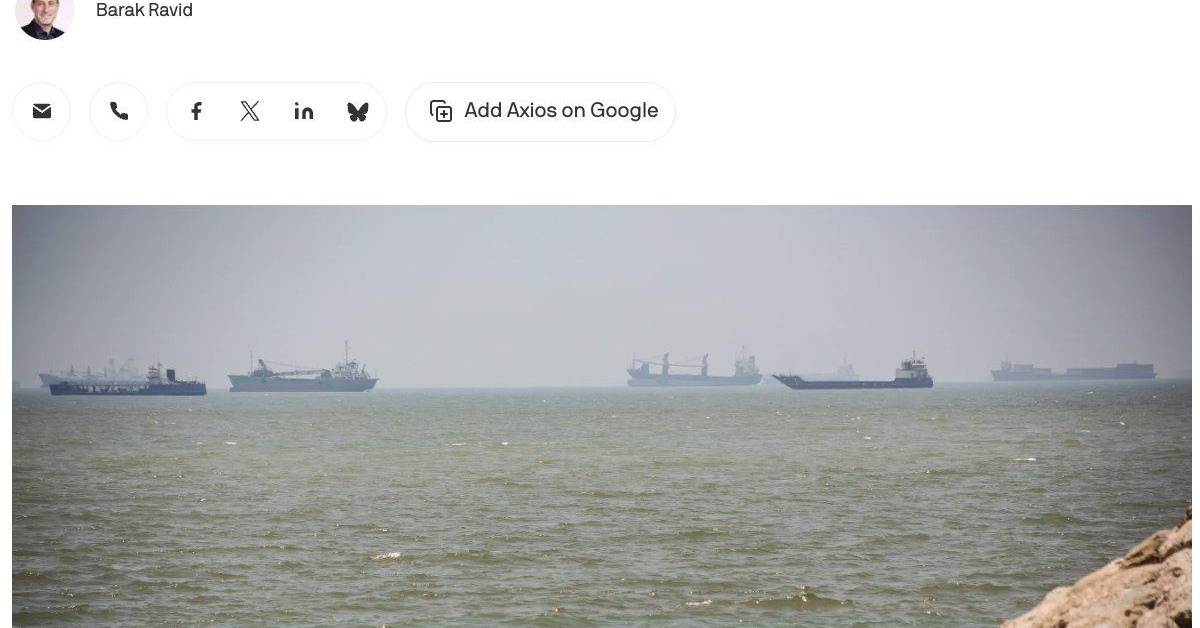
A high-stakes diplomatic effort in Doha, Qatar, is underway as US and Iranian negotiators aim to find a resolution to the longstanding tensions surrounding the vital Strait of Hormuz, the world’s most critical shipping lane. Washington has signaled its strong opposition to Iran’s demands to charge tolls on ships passing through the strait, urging Tehran to reconsider the move in favor of a comprehensive nuclear deal that promises greater benefits for the Iranian government.
The US message to Iran has been clear, with a senior US official emphasizing that “lifting sanctions under a broader deal would be 100 times more valuable than using a gangster tactic to try and charge a toll.” This message highlights the US government’s assessment that the potential gains from a nuclear deal significantly exceed those that Tehran could expect from imposing tolls on global shipping.
The talks come just days after a major maritime security conference in Bahrain, where US officials repeatedly expressed concerns over Iran’s efforts to charge tolls on the strategic waterway. At the same time, they emphasized the potential benefits of a comprehensive deal, including the lifting of crippling international sanctions that have crippled Iran’s economy.
Critics argue that Tehran’s move to charge tolls, reportedly set at $40-60 per ship, represents a clear attempt to leverage the global economy as a means to extract concessions from the United States. In response, the US has pledged significant flexibility in the ongoing negotiations, signaling a readiness to engage Iran on key areas of concern and to consider creative solutions that could satisfy both parties.
Iran has historically relied on its control of the Strait of Hormuz to exert pressure on global shipping, forcing the international community to negotiate on its terms. However, with the recent shift in the global economic landscape, Washington has emerged with significantly greater leeway to challenge Iran’s demands, emboldened by the prospect of significant gains from a comprehensive nuclear deal.
As Doha hosts this critical round of talks, diplomatic efforts will focus intently on addressing Iran’s concerns while navigating the complex web of national interests involved. Success would not only mark a significant breakthrough in the region but also signal a willingness by all parties to engage in constructive dialogue aimed at resolving contentious issues peacefully.
In a statement, the US Department of State underscored the importance of a successful outcome in Doha, describing the Strait of Hormuz’s stability as essential for global energy security and regional economic growth. “We are committed to finding solutions that satisfy the interests of all parties and ensure the stability of the Strait of Hormuz,” the statement emphasized.
Key details of Iran’s proposed tolls, including the rate at which shipping will be charged, have yet to be fully disclosed. Nonetheless, the Doha talks present a critical opportunity for diplomats to build on progress made in recent rounds of negotiations, forging a more lasting and mutually beneficial agreement that acknowledges and respects the legitimate interests of all parties involved.