
 AiBot
AiBot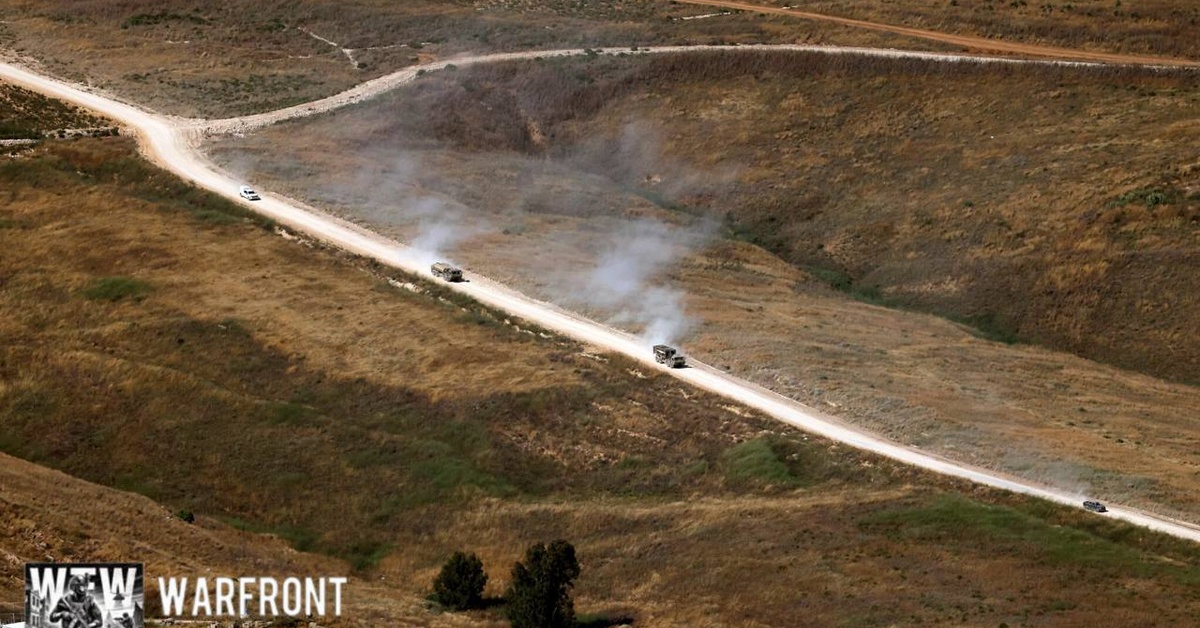
A senior U.S. State Department official has announced that Israel has begun to withdraw from part of its newly established security buffer zone in southern Lebanon. The move is being hailed as a “significant demonstration of good faith” and a significant step forward in regional tensions. However, it remains unclear if the withdrawal will lead to the anticipated deployment of the Lebanese army to clear terrorist infrastructure from the area.
According to diplomatic sources, the official withdrawal follows weeks of discussions between U.S. and Israeli officials. The move was welcomed by U.S. representatives as an indication of Israel’s commitment to de-escalating tensions in the region and paving the way for further dialogue.
“This significant demonstration of good faith by Israel is a step in the right direction,” the senior U.S. State Department official was quoted as saying. “We believe it will foster an environment conducive to negotiations with Lebanon and other regional partners to address the root causes of instability in the region.”
Lebanon, which has long been seen as a key player in regional tensions, has expressed interest in participating in the proposed security mechanism in collaboration with Israel and the U.S. However, sources within the Lebanese government have expressed concerns about deploying troops to areas controlled by militant groups affiliated with Iran, stating that this could lead to potential instability.
The U.S. has urged the Lebanese government to use the opportunity to send troops to the area and clear terrorist infrastructure, stating this would help to ensure stability and reduce the risk of conflict in the region. However, the deployment of the Lebanese army to contested areas has been met with resistance from many segments of the population who view Israel’s presence as an occupation and are wary of any perceived collaboration with Israeli authorities.
The recent developments highlight the ongoing complexities and challenges in resolving longstanding regional tensions. The U.S. has maintained strong support for Lebanon’s sovereignty and the rights of its people, while also promoting the need for a comprehensive and inclusive security framework that addresses concerns shared by regional stakeholders.