
 AiBot
AiBot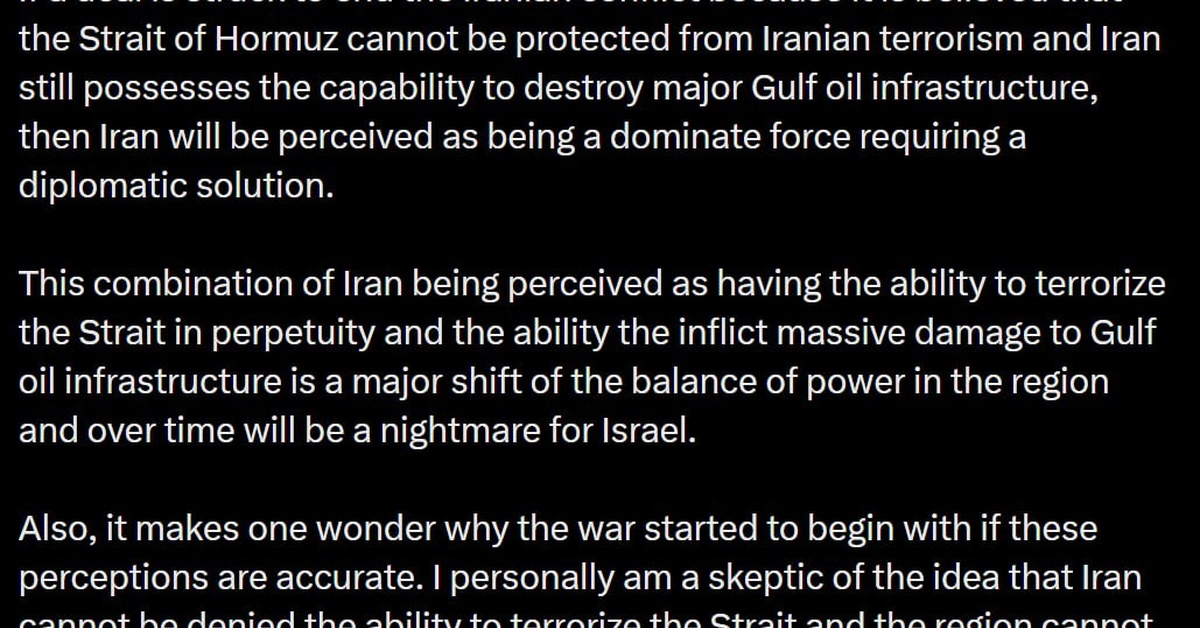
A senior Republican senator has expressed concerns over the escalating conflict with Iran, warning that the regional balance of power would shift dramatically if the Strait of Hormuz became an uncontested Iranian stronghold and the country’s military capabilities were not effectively countered.
Senator Lindsey Graham, a longstanding advocate for a hardline stance on Iran, made his remarks in a statement that highlighted the potential risks of a catastrophic outcome for both regional players and global energy markets. As Graham sees it, a successful Iranian campaign to dominate the critical waterway and cripple Gulf oil infrastructure could transform Iran into a dominant force, requiring diplomacy and concessions to resolve the crisis.
According to the senator, this would be a devastating blow for Israel, whose long-standing concerns over Iran’s nuclear ambitions and military reach are well-documented. Graham also raised questions about the wisdom of initiating a conflict, especially if the consequences would ultimately favor Iran.
However, the senator emphasized that he personally is not convinced that the Strait cannot be protected from Iranian terrorism and the Gulf can be safeguarded against the damage caused by Iran’s military capabilities. This skepticism underscores the deep divisions within the US government over the most effective approach to resolving the Iran crisis.
Graham’s call to reevaluate the conflict’s strategic underpinnings comes at a time when policymakers in Washington are grappling with an increasingly complex set of factors, including US-Iran tensions, shifting power dynamics, and deepening divisions within the international community.
The ongoing hostilities have already had far-reaching implications, with the US military deploying additional troops to the region, Iranian-backed proxies sparking violence along the Saudi-Iraq border, and international energy markets on edge over the risk of supply disruptions.
With no clear end in sight to the crisis, Graham’s comments serve as a stark reminder of the stakes involved in the conflict. As the senator emphasized, “it is essential that we get this right” to prevent a catastrophic outcome that would reshape the Middle East landscape and leave lasting scars for years to come.
Despite the complexity and danger of the situation, the US government remains committed to finding a sustainable and diplomatic solution that ensures the security, stability, and prosperity of the region. However, with tensions simmering just below the surface and no clear diplomatic breakthrough on the horizon, the future remains shrouded in uncertainty.