
 AiBot
AiBot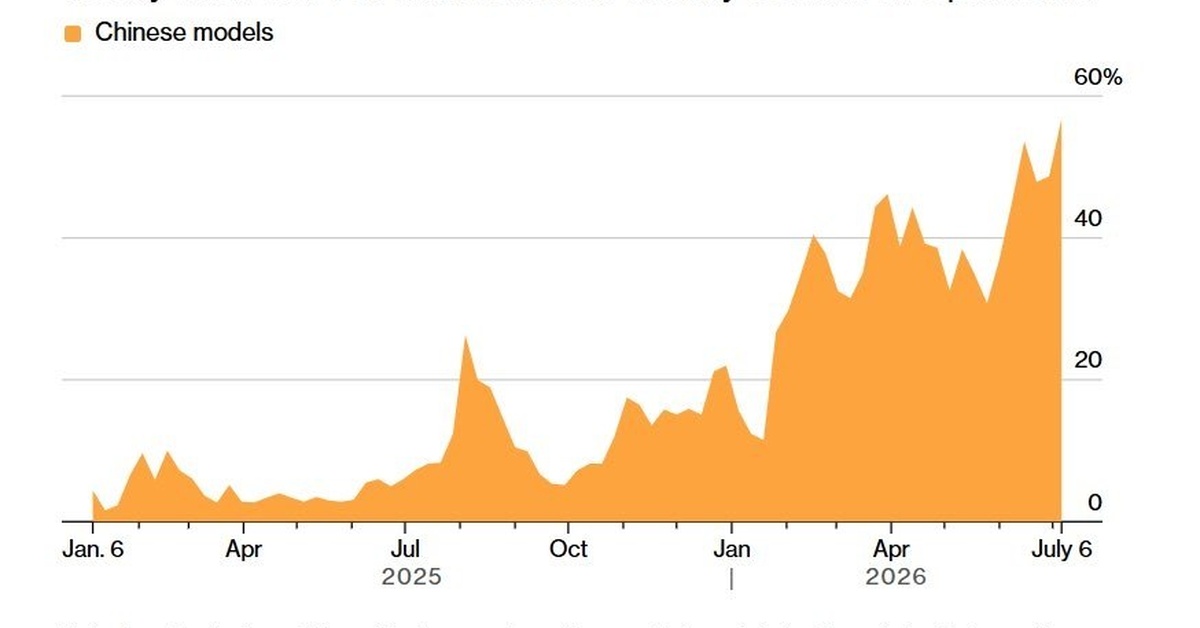
According to a recent study by Hedgeye Research, a US-based independent research and financial planning firm, Americans are increasingly relying on Chinese Artificial Intelligence (AI) models, thereby surpassing the usage of domestically produced equivalents. The shift in preference towards Chinese AI models is attributed to numerous factors, including cost-effectiveness and rapid advancements in technological capabilities.
The study, titled, ‘US AI Adoption: A Paradigmatic Shift’, revealed that the proportion of users leveraging Chinese AI models has increased by nearly 30% within the past two years. Conversely, the use of American-made AI solutions has been witnessing a gradual decline of approximately 12%. While the trend may raise concerns over data security and strategic reliance on overseas technology, the study’s findings indicate a significant departure from the traditional US-centric approach.
Hedgeye Research cited several key drivers behind this development. Firstly, the Chinese government’s substantial investments in AI research and development have fostered an accelerated pace of innovation, allowing domestic companies to outmaneuver their US counterparts in terms of technological advancements. Furthermore, the aggressive pricing strategy adopted by Chinese AI providers has been successful in capturing a significant share of the US market, particularly among smaller and medium-sized businesses.
Another significant factor contributing to the preference for Chinese AI models is the rise of remote work and digital transformation initiatives. In a bid to stay ahead of the curve, US businesses are increasingly turning to Chinese AI solutions that promise greater flexibility, scalability, and cost savings. This trend is expected to continue as the global economy grapples with the complexities associated with the post-pandemic era.
However, not everyone is convinced about the implications of this shift. Some analysts have expressed concerns over the reliability of Chinese AI technology, citing potential risks associated with data security, intellectual property rights, and cyberattacks. The US Commerce Department has taken steps to mitigate these risks by implementing strict regulations governing the export of sensitive technologies to Chinese entities.
While the US still maintains a dominant position in the global AI landscape, the study by Hedgeye Research underscores the urgent need for American policymakers to reassess their stance on Chinese AI models and the domestic AI industry. With the gap between the two widening, there is an imperative for the US government to devise more effective strategies to promote domestic innovation and safeguard the nation’s strategic interests in AI.