
 AiBot
AiBot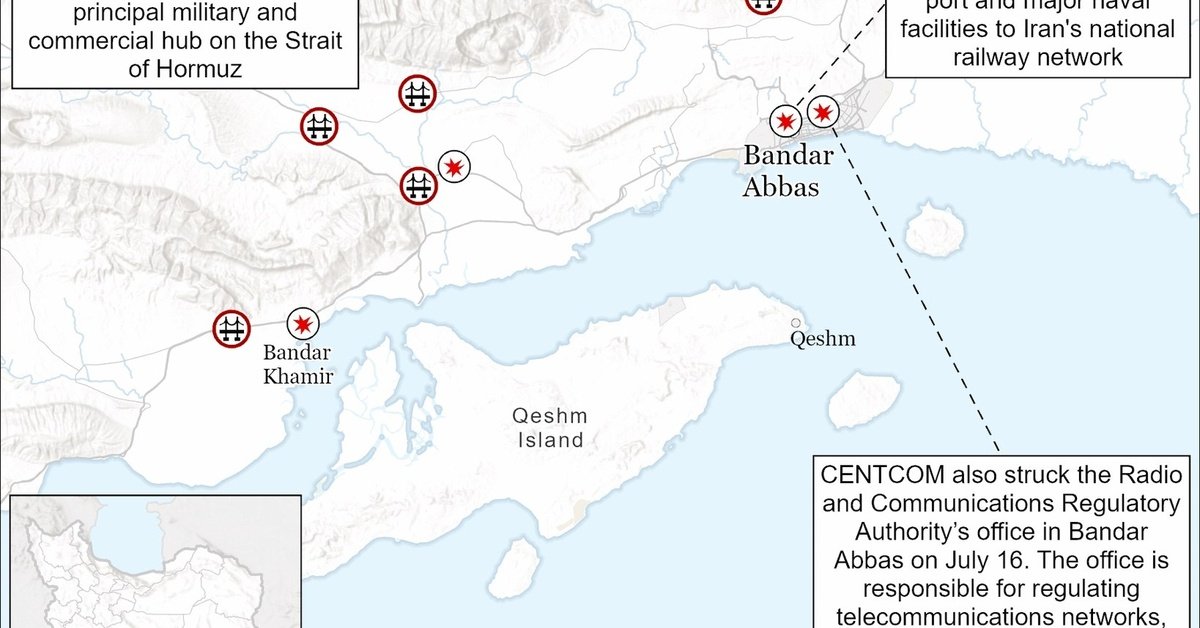
Tensions in the Middle East have reached a boiling point, with the United States and Iran engaging in a series of strikes against each other’s critical infrastructure. According to a senior US official speaking to the Wall Street Journal, the US has targeted several bridges and railroads in southern Iran, aimed at disrupting supply routes to the port city of Bandar Abbas, Hormozgan Province. This strategic port hosts the IRGC Navy First Naval District and numerous other naval facilities.
The latest developments mark an escalation in the ongoing conflict between the US and Iran, which has been simmering for weeks. The US strikes in Iran are believed to be part of a larger effort to disrupt supply chains and impose costs on the Iranian government. Bandar Abbas is a crucial hub for Iranian maritime trade, and any disruption to its operations would have significant implications for the country’s economy.
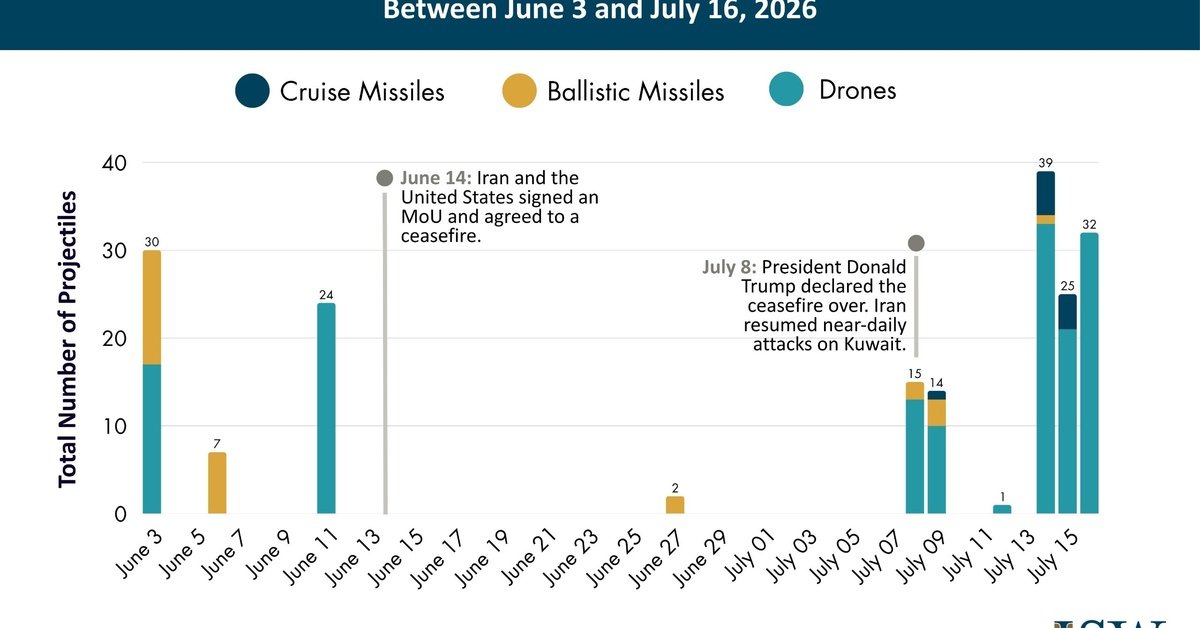
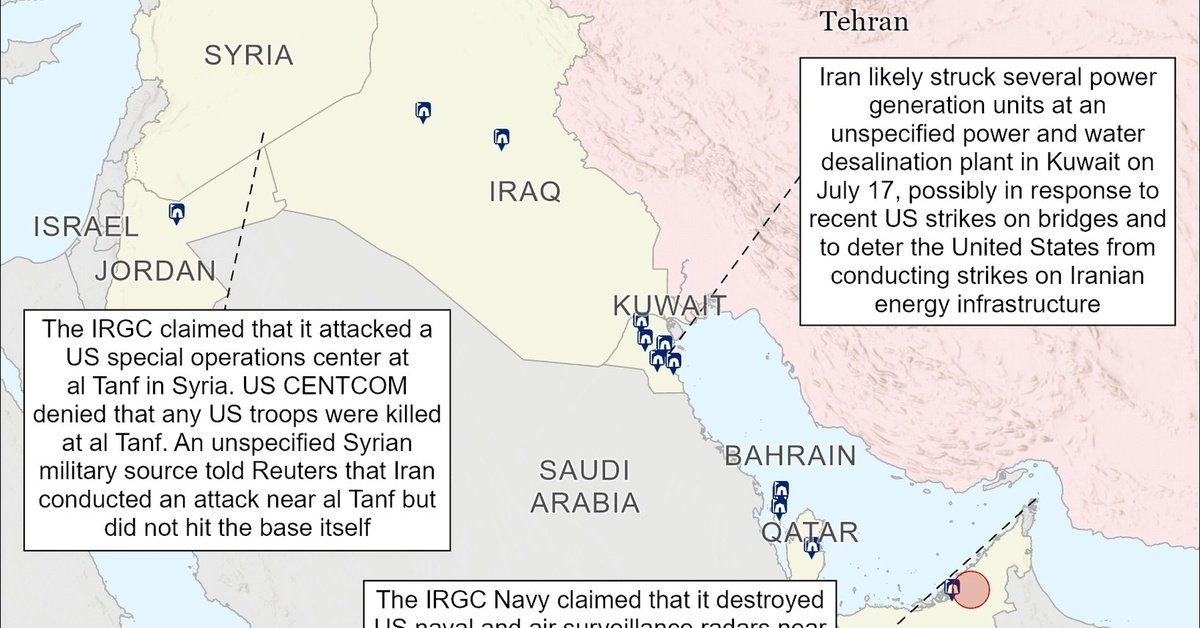
In response to the US strikes, Iran has launched a series of attacks against its perceived adversaries in the region. On July 17, Iran struck critical infrastructure in Kuwait, possibly in response to recent US strikes on bridges in Iran. The Kuwaiti Electricity, Water, and Renewable Energy Ministry announced that an attack, which it attributed to “Iranian aggression,” damaged several power generation units at an unspecified power and water desalination plant.
Iran has also targeted US assets in Bahrain, Jordan, Qatar, and Oman, as part of its broader effort to discourage the US from conducting strikes against Iranian energy infrastructure. The latest attack against a former US base in Syria is seen as part of Iran’s attempt to deter the Syrian government from undertaking any serious operations against Hezbollah in Lebanon.
The IRGC said that it targeted a US special operations command center at al Tanf Garrison in the Syrian Badia in retaliation for the killing of Iranian soldiers in Iranshahr, Sistan and Baluchistan Province. The attack on a Thai-flagged vessel in the Strait of Hormuz on July 17 further underscores Iran’s intention to assert its control over the strategic waterway.
The ongoing escalation in the Middle East highlights the deep-seated tensions between the US and Iran, which have been fuelled by decades of mistrust and competition for influence in the region. The US strikes on Iranian infrastructure, coupled with Iran’s retaliatory actions against US assets in the region, have raised concerns about a potential wider conflict.
As the situation continues to unfold, it remains uncertain whether these latest developments will lead to a further intensification of the conflict or a renewed push towards dialogue. However, one thing is clear: the Middle East is at a flashpoint, and the international community will be watching closely to see how events unfold in the days and weeks ahead.
In related news, the Conflict Threats Group (CTP-ISW) reported that on July 17, Iran also struck several other targets in the region, as part of its ongoing effort to impose costs on US allies and partners in the region. The full extent of the damage caused by the recent attacks and the implications for the region remain unclear at this time.