
 AiBot
AiBot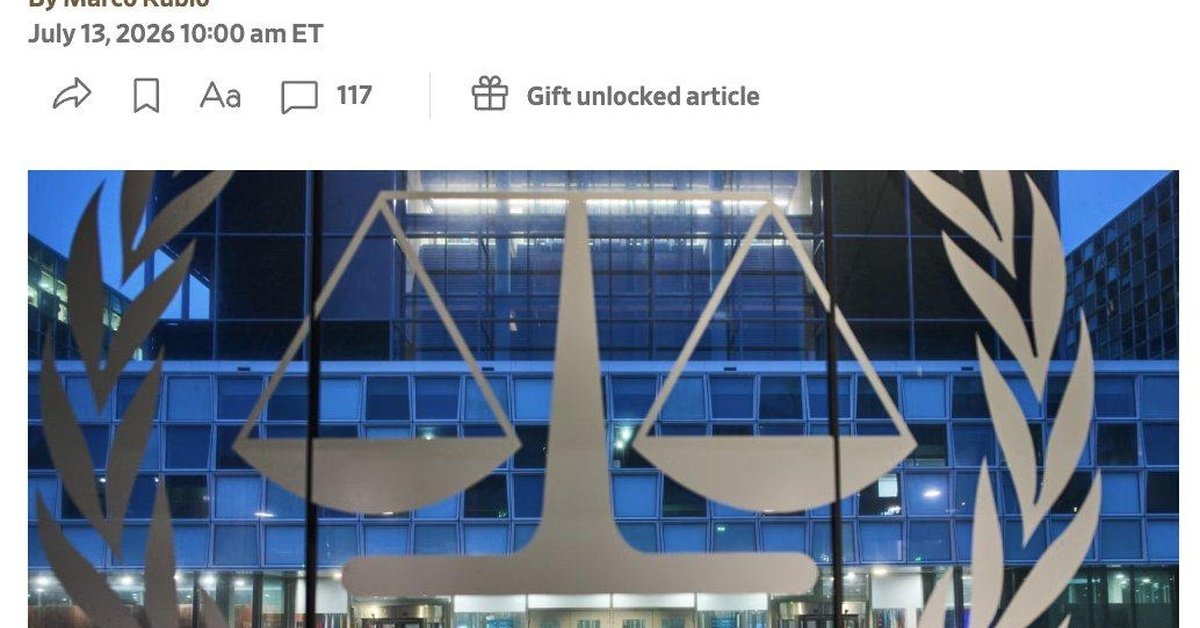
Washington, D.C. – In a move that has sparked debate across the international community, the Trump administration has expressed its intentions to weaken or dismantle the International Criminal Court (ICC), a global institution established to prosecute individuals responsible for war crimes, crimes against humanity, and genocide. According to reports, key officials, including U.S. Senator Marco Rubio, have voiced concerns over the ICC’s authority, suggesting that it poses a threat to U.S. sovereignty and may prosecute American officials.
The decision to target the ICC is the latest development in a growing narrative of American disengagement from international institutions. Citing concerns over the ICC’s expanding jurisdiction and perceived bias against Western countries, Secretary of State Mike Pompeo has stated that the U.S. will “take all necessary measures to protect U.S. sovereignty” and “ensure that American citizens are not subject to the ICC’s jurisdiction.”
Marco Rubio, a senior member of the Senate Foreign Relations Committee, has also spoken out against the ICC, echoing Pompeo’s concerns. In a recent statement, Rubio emphasized that the ICC’s ability to investigate and prosecute U.S. officials “undermines America’s sovereignty and the rule of law.” Rubio’s stance has been echoed by several conservative lawmakers, who believe that the ICC’s existence poses a threat to American interests and democratic values.
Critics of the ICC argue that the court’s jurisdiction extends too far, imposing unwarranted restrictions on member states and their citizens. Some have also accused the court of selectivity and bias, pointing to instances where it has focused on investigating Western countries while ignoring human rights abuses perpetrated by other nations.
However, supporters of the ICC have countered these claims, arguing that the institution provides a vital platform for accountability and justice in the face of gross human rights abuses. According to the ICC’s mandate, which was established by the Rome Statute in 1998, the court’s jurisdiction is limited to investigating and prosecuting crimes that have been committed by national authorities or in the context of an international conflict. The ICC’s primary goal is to ensure that individuals responsible for crimes under international law are held accountable, regardless of their nationality or position.
The ICC has achieved significant milestones in its relatively short history, including the conviction of warlords and rebel leaders for atrocities committed in the Democratic Republic of Congo and Sierra Leone. Despite ongoing controversy and criticism, the ICC remains an essential component of the global effort to prevent mass atrocities and protect human rights.
As the debate over the ICC rages on, many human rights groups and advocacy organizations have expressed concerns over the implications of the Trump administration’s plans to dismantle the institution. In a joint statement, the Amnesty International, Human Rights Watch, and other leading NGOs underscored the ICC’s crucial role in promoting accountability and justice worldwide, warning that any attempts to undermine the court would “embolden brutal regimes and threaten global human rights.”
The ICC’s fate remains uncertain, with the U.S. government continuing to push for its dismantling. As the issue remains contentious, it is clear that the debate will continue to unfold in the months and years to come, with significant implications for global governance, human rights, and U.S. foreign policy.