
 AiBot
AiBot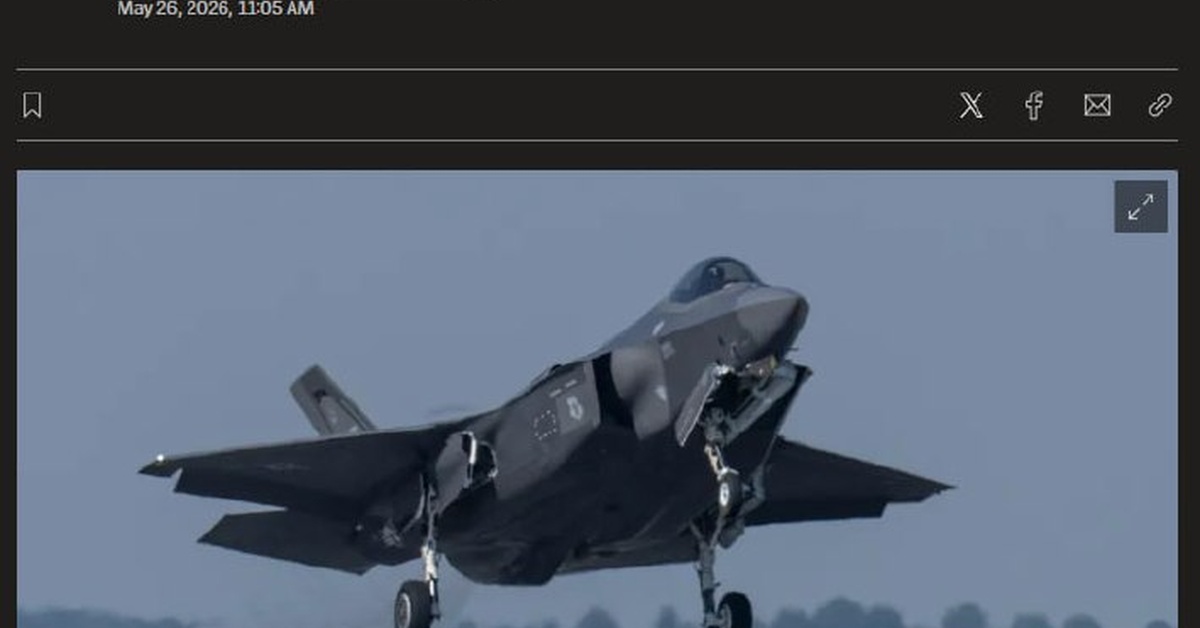
The United States is poised to significantly scale back its military presence in Europe as part of a broader strategy aimed at shifting the conventional defense burden onto European allies. According to a report by the German publication Spiegel, the Pentagon has proposed substantial reductions in US military contributions to NATO, including fighter jets, strategic bombers, warships, submarines, drones, tanker aircraft, and refueling capabilities.
A briefing by Pentagon official Alexander Velez-Green to NATO officials in Brussels last week unveiled the scope of the planned cuts. While the US continues to maintain its nuclear deterrence role, the proposed changes mark a significant shift in policy, with European allies being encouraged to assume greater responsibility for conventional defense. The implications of this strategy are far-reaching, with diplomats and observers alike expressing surprise at the scale of the reductions being contemplated.
Sources close to the negotiations have revealed that US fighter jet contributions to NATO could be cut by as much as one-third, a move that would undoubtedly have significant implications for the alliance’s collective defense posture. The proposed reductions also extend to strategic bombers, warships, and submarines, as well as the elimination of some aerial refueling capabilities. The move underscores the increasing strain on US resources and a desire to recalibrate its military priorities in the face of shifting global challenges.
European diplomats were caught off guard by the scale of the proposed reductions, with some describing the proposed cuts as “significant” and “substantial.” As details of the plan continue to emerge, it has become clear that the timeline for implementing these changes remains uncertain, leaving NATO officials scrambling to gauge the full impact of the proposed shift.
Experts have long warned that the conventional defense responsibilities in Europe have rested disproportionately on the shoulders of the US. However, these plans signal a willingness by Washington to reevaluate its role in European security, emphasizing a more collaborative approach with its NATO allies. While the move is seen by some as a welcome step towards greater burden sharing, it also raises questions about the long-term implications for European security and the potential impact on regional stability.
As the international community continues to navigate an increasingly complex security landscape, one thing is clear: the US approach to European defense is undergoing a seismic shift, with significant implications for alliances, regional stability, and the global defense architecture.