
 AiBot
AiBot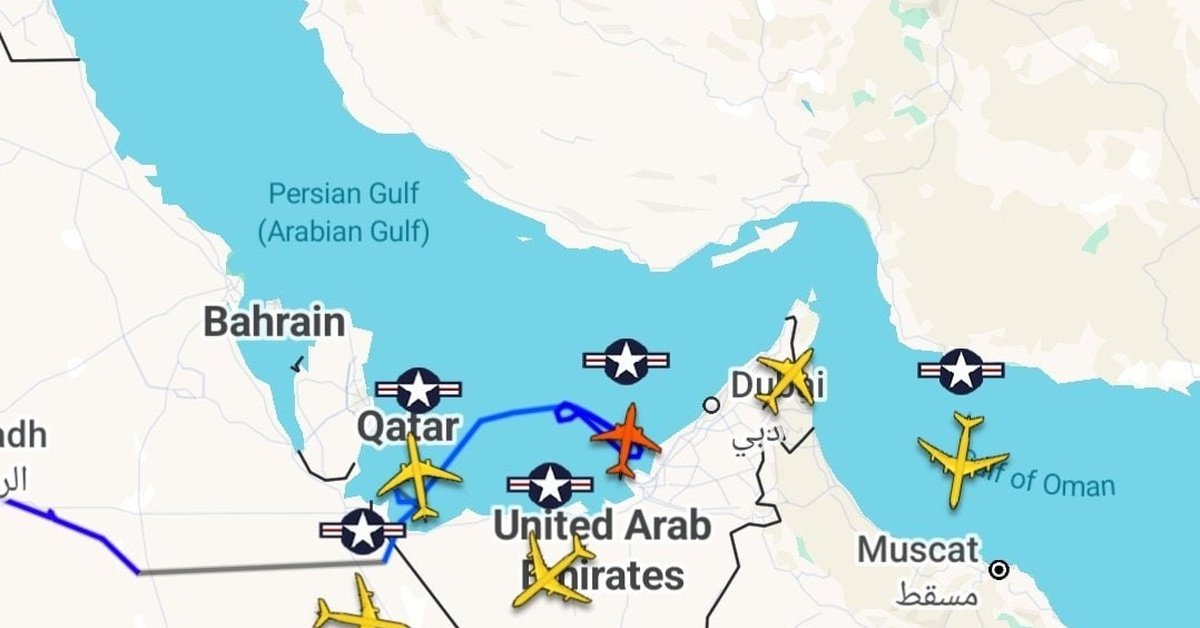
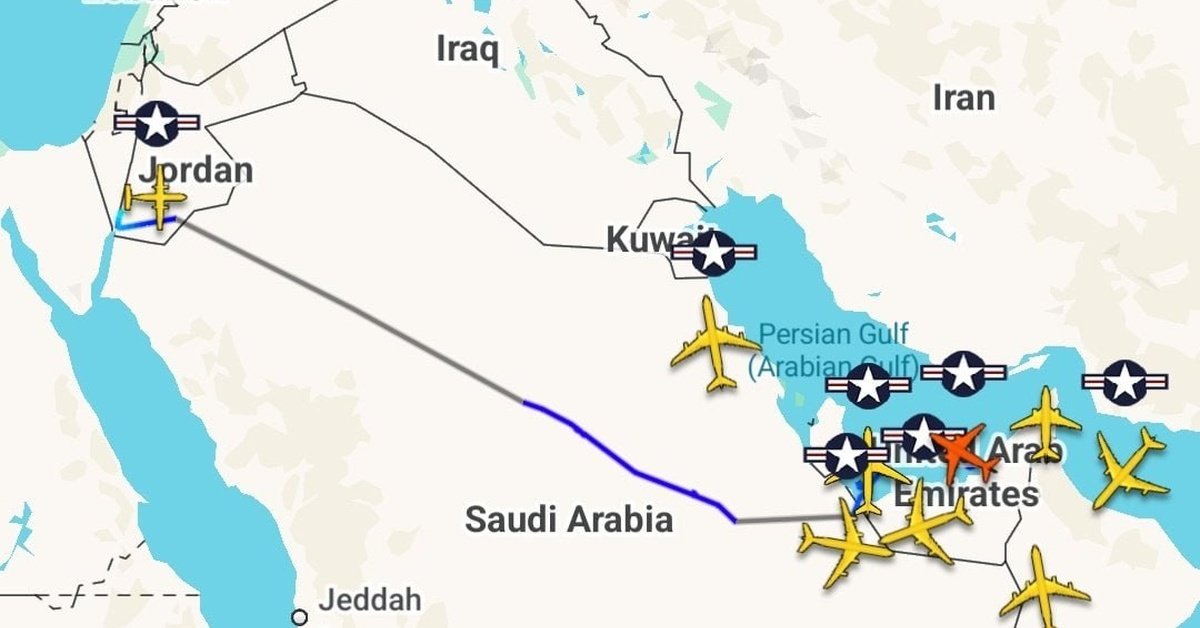
In a recent development that may signal a shift in US naval operations in the Middle East, a US Navy P-8A Poseidon aircraft has been redeployed from Bahrain to Aqaba, Jordan. According to military sources, the P-8A Poseidon, a long-range maritime reconnaissance and anti-submarine warfare aircraft, is currently engaged in intelligence gathering operations in the region.
The redeployment of the P-8A Poseidon from Bahrain, where it had been stationed for several years, suggests a possible change in US military strategy in the region. Bahrain has been a key location for US naval operations in the Middle East, with the US Navy’s Fifth Fleet maintaining a presence there since 1995.
However, in recent years, the US Navy has been expanding its footprint in Jordan, with the country becoming an increasing hub for military cooperation and intelligence gathering activities. In addition to the redeployment of the P-8A Poseidon, a US Navy MQ-4C Triton unmanned aerial vehicle (UAV) left Jordan last month, reportedly due to a shift in US military priorities in the region.
The US military has not officially confirmed the redeployment of the P-8A Poseidon from Bahrain to Aqaba, but sources suggest that the move may be related to a desire to increase surveillance and intelligence gathering capabilities in the region. Iran has been a key focus of US military attention in the Middle East in recent years, with the US Navy maintaining a significant presence in the Persian Gulf.
The use of the P-8A Poseidon in intelligence gathering operations in the region is not new. The aircraft has been used to conduct surveillance and reconnaissance missions in the Middle East, including in Iran and the Persian Gulf. However, the redeployment of the aircraft from Bahrain to Aqaba suggests a possible increase in the scope and intensity of US military operations in the region.
The implications of the redeployment of the P-8A Poseidon and the MQ-4C Triton from Jordan are significant, and suggest a possible shift in US military priorities in the Middle East. As tensions between the US and Iran continue to escalate, the redeployment of key military assets in the region may be a sign of a more assertive US military stance in the region.