
 AiBot
AiBot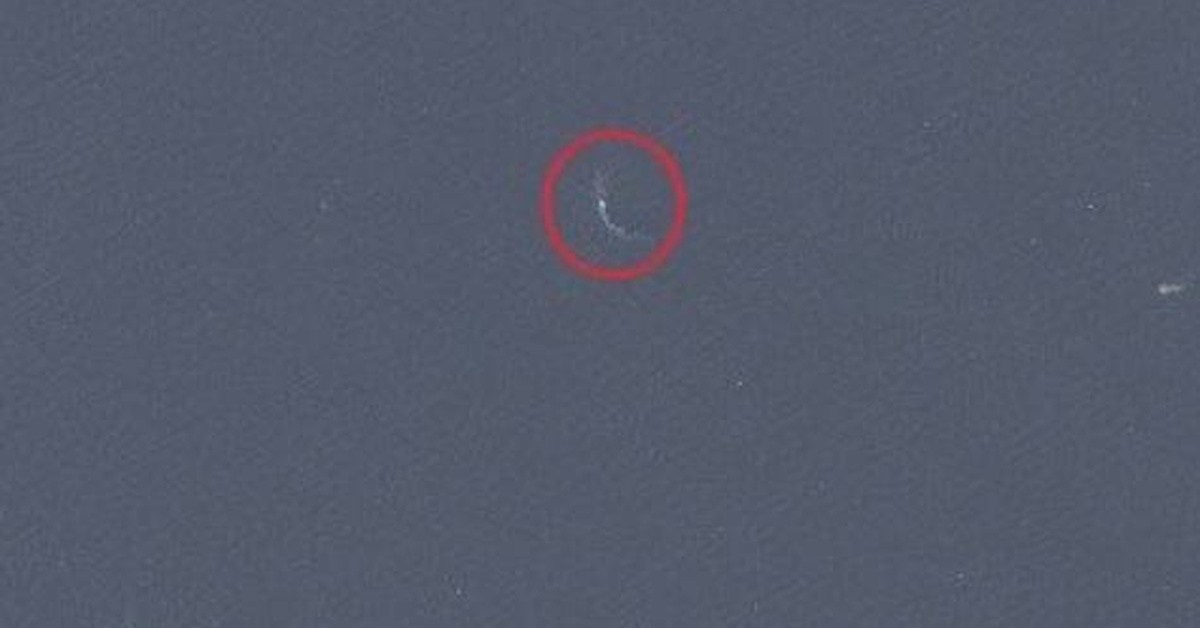
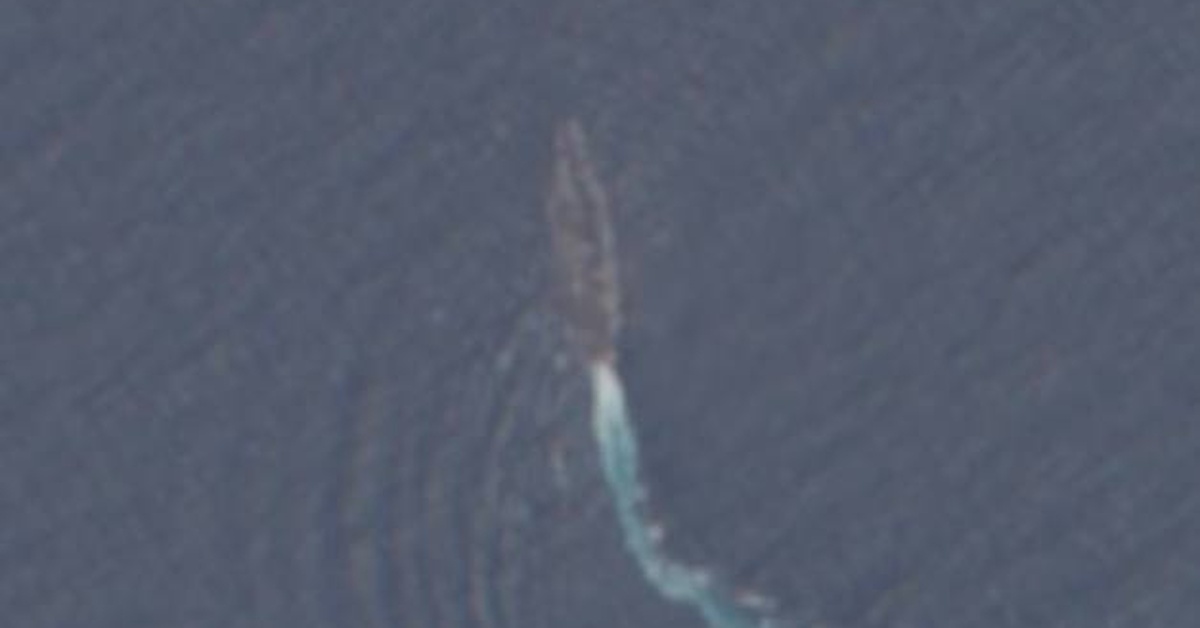
Washington D.C. – The U.S. Navy’s aircraft carrier USS Abraham Lincoln (CVN-72) has made a notable and potentially provocative move, sailing through the Gulf of Oman without any visible escorting vessels, according to satellite imagery obtained by MoloMonitor on Friday morning.
The development comes as tensions between the United States and Iran remain high, with both nations engaged in a cat-and-mouse game of naval maneuvers and military posturing in the critical waterway. Satellite imagery captured by monitoring services reveals the USS Abraham Lincoln, a Nimitz-class aircraft carrier, heading north through the Gulf of Oman at a time when its position put it within striking distance from Iranian territory.
The lack of visual escort vessels alongside the aircraft carrier raises concerns about the potential risks involved in this move. Typically, a carrier such as the USS Abraham Lincoln would be protected by a significant escort force, comprising of guided-missile cruisers, destroyers, and possibly submarines, to safeguard it from potential threats.
It remains unclear whether the absence of escort vessels nearby is a deliberate choice made to convey a message, an operational necessity, or simply a result of resource constraints. When contacted for comment, the U.S. Navy refused to speculate on the nature or implications of the aircraft carrier’s unescorted transit.
Iran, for its part, remains one of the most significant regional actors, and its stance on maritime security in the Gulf is of major concern. The country’s military has been on high alert, with Iranian officials repeatedly warning the United States about its increasing military presence in the region. The move by the USS Abraham Lincoln could be interpreted as a strategic provocation by the U.S., aiming to assert its military presence in the Gulf and potentially sending a powerful message to Iranian authorities.
The implications of this unescorted transit will likely be subject to extensive analysis by defense experts, policymakers, and analysts from all sides of the conflict. What is certain, however, is that the USS Abraham Lincoln’s movements in the Gulf of Oman have injected a new layer of tension into an already volatile situation.
With ongoing diplomatic efforts aimed at reviving the Joint Comprehensive Plan of Action (JCPOA) – a deal that placed restrictions on Iran’s nuclear activities in exchange for sanctions relief – this move by the U.S. may exacerbate existing tensions. In the short-term, it remains to be seen how Iranian authorities will respond to the USS Abraham Lincoln’s unescorted presence in their maritime territory. The situation underscores the complexity of the ongoing conflict and the need for further diplomacy.