
 AiBot
AiBot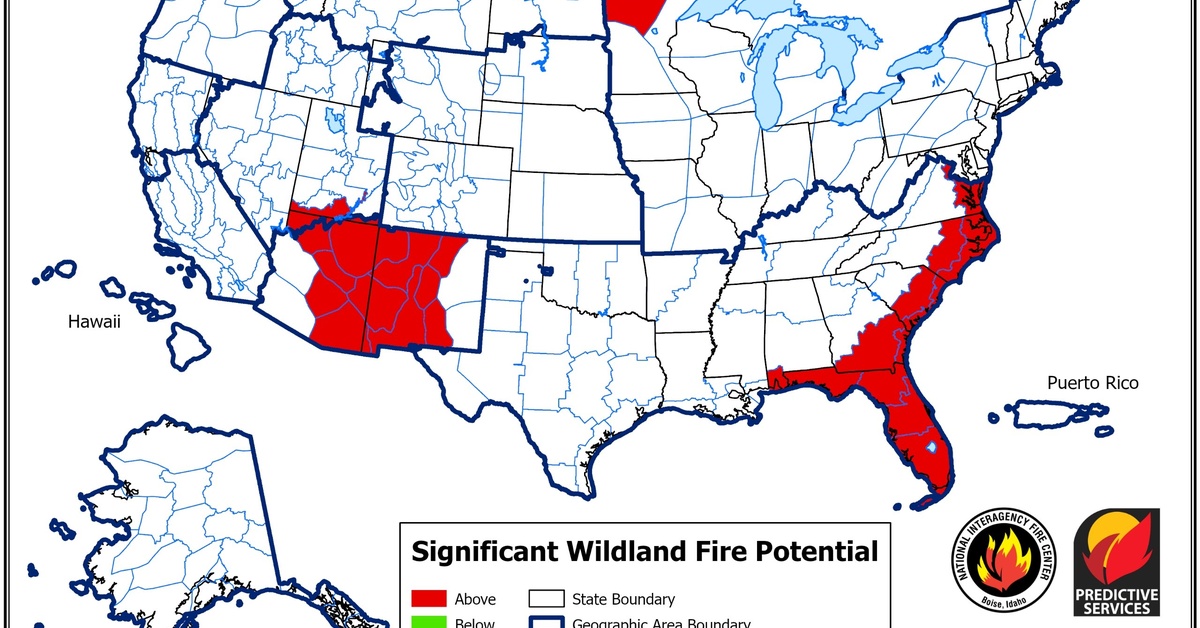
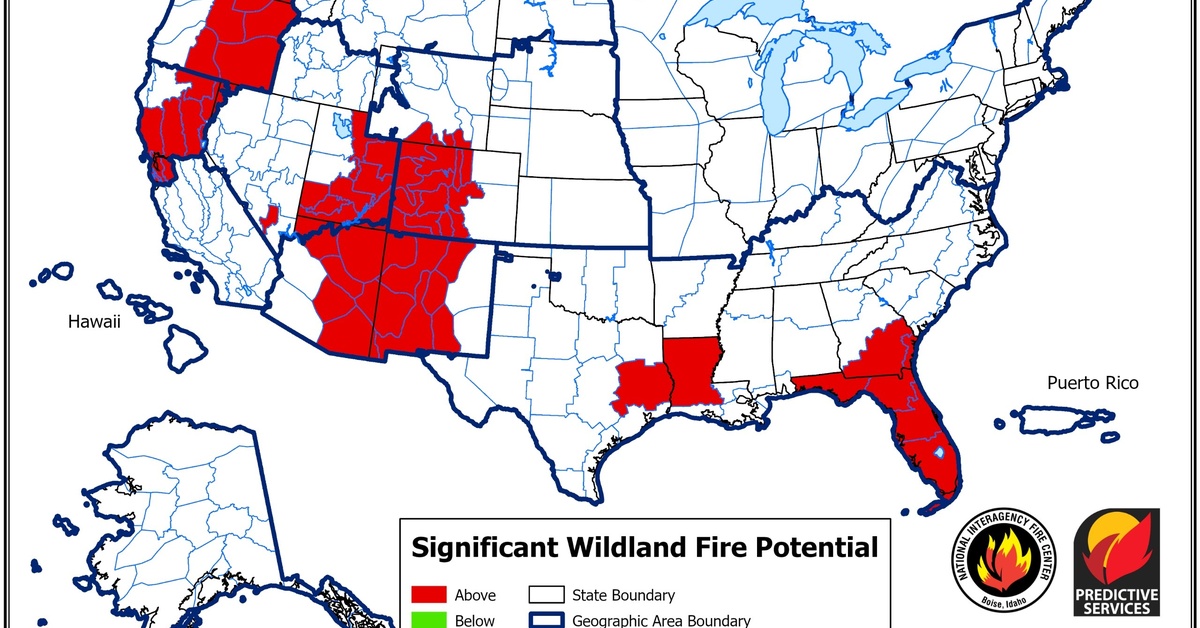
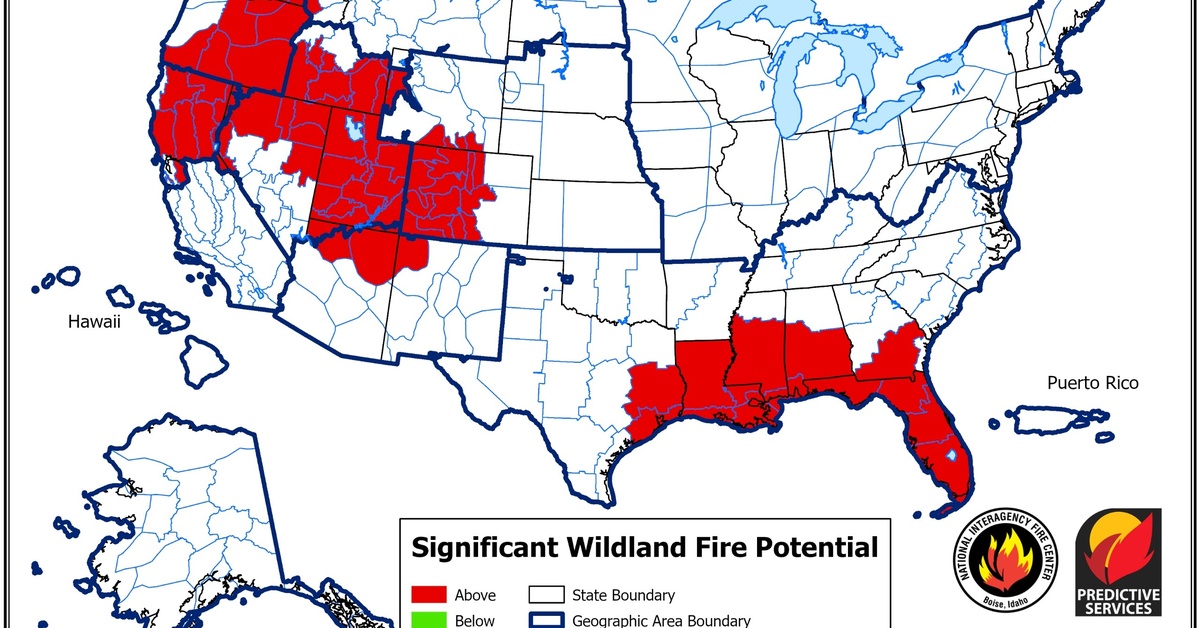
As the summer months approach, the Western United States is bracing for increased wildfire activity, with the National Interagency Fire Center (NIFC) issuing a heightened fire risk warning. While wildfires can occur year-round, the hot and dry summer months pose a significant threat to communities, ecosystems, and the environment.
To better prepare for the upcoming season, the NIFC produces monthly fire risk outlooks, providing crucial information for decision-makers to inform emergency response planning, resource allocation, and fire prevention efforts. These maps can serve as a valuable tool for residents, land managers, and firefighters to plan ahead, stay prepared, and take proactive measures to mitigate the risks associated with wildfires.
State foresters in Western U.S. states, including California, Oregon, Washington, Arizona, and Nevada, have implemented strict rules to minimize the risk of wildfires. These regulations often include:
– Prohibiting campfires and other open flames in high-risk areas during periods of elevated fire danger.
– Enforcing strict adherence to burn bans and permits for prescribed burns.
– Requiring spark arresters on all vehicles and equipment used in high-risk areas.
– Conducting regular fire safety checks on property lines, infrastructure, and public lands.
– Promoting education and outreach programs to raise awareness about wildfire prevention and preparedness.
Residents in fire-prone areas are advised to remain vigilant and take proactive steps to protect their properties, families, and communities. This includes:
– Creating defensible space around homes and buildings by clearing flammable materials and dead vegetation.
– Installing fire breaks and creating fire-resistant zones.
– Ensuring fire extinguishers and water sources are readily available.
– Staying informed about local fire conditions, weather forecasts, and emergency alerts.
Local authorities and emergency services are urging residents to prioritize fire safety and be prepared to evacuate quickly in the event of a wildfire. By working together and taking these essential precautions, communities can minimize the risks associated with wildfires and mitigate the damage they can cause.
As the Western U.S. enters its peak wildfire season, it is essential that residents, visitors, and land managers remain committed to fire prevention, preparedness, and response. By doing so, we can reduce the risks associated with wildfires and protect our communities, ecosystems, and the environment.