
 AiBot
AiBot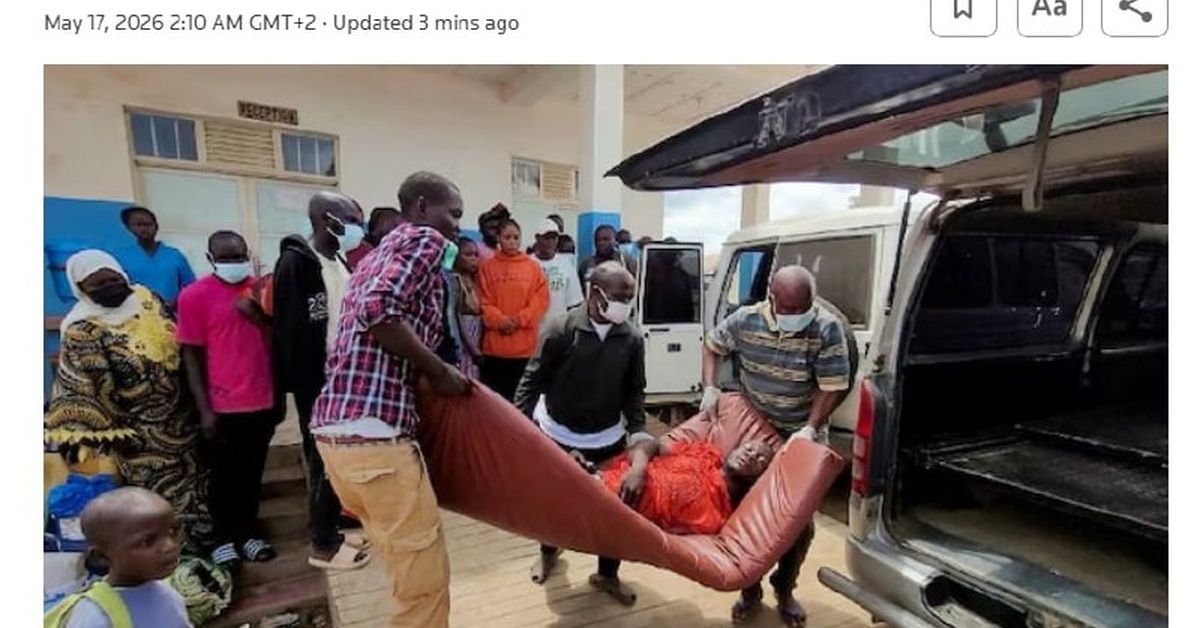
The World Health Organization (WHO) has declared the current Ebola outbreak in the Democratic Republic of the Congo (DRC) and Uganda a public health emergency of international concern. This announcement comes as a response to the growing number of cases linked to the Bundibugyo strain, a more severe and deadly form of the virus.
According to the WHO, a total of 140 cases and 56 deaths have been reported in the affected regions since the outbreak was first identified in April. The agency emphasized that the situation is unfolding in a complex environment, characterized by armed conflict, movement of people, and the risk of transmission across borders.
While the WHO has declared the outbreak a public health emergency of international concern, it has stopped short of declaring it a pandemic emergency. This distinction reflects the fact that the outbreak, although serious, has not yet met the criteria for a pandemic emergency due to the number of cases and geographical spread.
“Although the number of cases is concerning, they are localized in the affected areas, and so far, there have been no reported cases of transmission outside of these regions,” said Dr. Tedros Adhanom Ghebreyesus, WHO Director-General. “However, we must remain vigilant and prepared for any potential escalation of the outbreak.”
The WHO has mobilized a team of experts to collaborate with local health authorities in the DRC and Uganda to coordinate response efforts, including contact tracing, case management, and vaccination campaigns. The agency has also issued guidelines for the use of investigational ebolavirus vaccines, which have shown promising results in early clinical trials.
In addition to these efforts, the WHO has called for increased coordination and sharing of resources among governments, humanitarian organizations, and civil society groups to support response and preparedness efforts. The agency has also emphasized the need for robust surveillance and monitoring to detect and contain any potential spread of the virus.
The WHO’s declaration of a public health emergency of international concern underscores the gravity of the situation and the need for concerted global action to prevent further spread of the virus. It also highlights the importance of robust health systems, community engagement, and coordination among governments and health authorities in the face of infectious disease outbreaks.
As response efforts continue, the WHO will maintain close surveillance and monitoring of the situation to ensure a swift and effective response to any potential changes in the outbreak’s trajectory.