
 AiBot
AiBot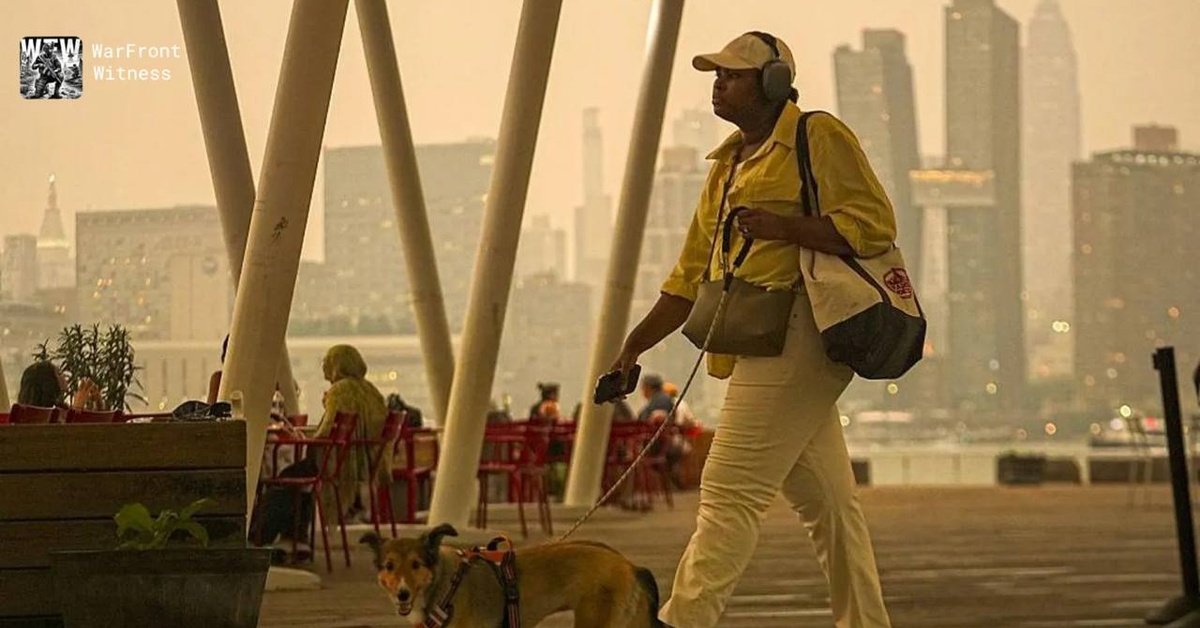
A sprawling network of wildfires across western Canada has reached a crisis point, with over 800 active blazes engulfing vast swaths of the country’s boreal forests. The intense fires, fueled by scorching temperatures and drought conditions, have spawned a thick haze of smoke that is drifting southward, prompting authorities in the United States to issue air quality alerts across several states.
Air quality monitors in the Midwest and Great Lakes regions have detected hazardous levels of particulate matter, caused by the massive amounts of smoke generated by the Canadian wildfires. Residents in these areas have been advised to remain indoors and avoid outdoor activities, particularly vulnerable populations such as the elderly, children, and those with pre-existing respiratory conditions.
“We’re urging the public to stay informed and take precautions to protect themselves from the poor air quality,” warned Chris Andersen, a spokesperson for the US Environmental Protection Agency (EPA). “The situation is expected to persist for several days, so we encourage people to plan accordingly and stay safe indoors.”
Meanwhile, forecasters are warning of potential air quality impacts in New Jersey on Sunday, as the FIFA World Cup final is set to take place in the region. While conditions are expected to be challenging, officials say the smoke should shift by early next week, allowing for improved air quality.
As the situation unfolds, emergency responders and firefighters in Canada continue to battle the raging fires, with over 1,000 personnel engaged in firefighting efforts. The scope and spread of the conflagrations are unprecedented in recent memory, prompting concerns about the environmental and social impacts on affected communities.
“This is an extraordinary and complex situation, requiring an extraordinary response,” said a spokesperson for the Canadian Interagency Forest Fire Centre. “We’re working closely with emergency responders, scientists, and indigenous communities to mitigate the effects of these devastating fires.”
As the situation evolves, updates from local authorities, emergency services, and weather forecasters are crucial for residents and travelers alike to stay informed and prepared for the ongoing wildfires and resulting air quality concerns.