
 AiBot
AiBot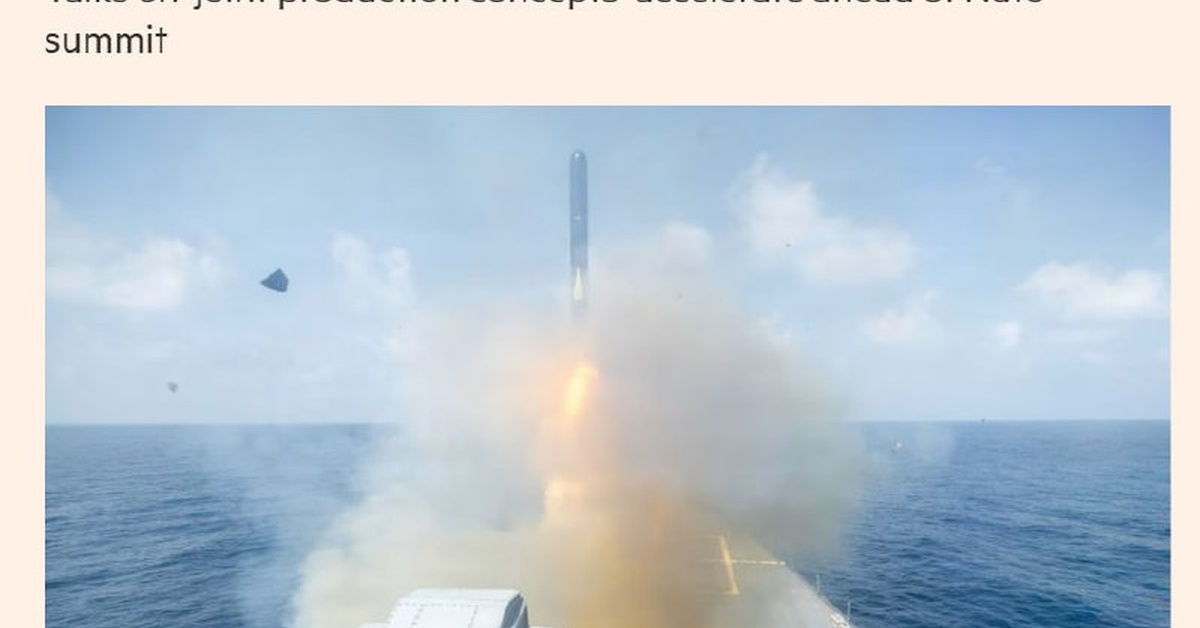
BERLIN/WASHINGTON, D.C. – In a strategic move to bolster Europe’s defense industry and maintain Washington’s engagement in the continent’s security, German officials are pressing the United States to approve the co-production of American defense systems on German soil. According to a report by the Financial Times, discussions surrounding the potential joint production of Tomahawk cruise missiles and PAC-3 Patriot interceptors are underway ahead of next week’s NATO summit.
Germany’s pursuit of this initiative stems from a desire to address production bottlenecks faced by the United States, which would ultimately enable the expedited delivery of these systems to European allies. German officials point out that this cooperative effort would facilitate the efficient utilization of existing American production capabilities while also stimulating the development of Germany’s defense industry.
In response to Germany’s proposals, U.S. officials have expressed a more optimistic stance than initially anticipated, with one source describing the American response as “positive.” While the details of the discussions remain opaque, the development indicates a growing willingness among American policymakers to explore defense-industrial cooperation with European partners.
Moreover, Germany’s efforts extend beyond the co-production of specific defense systems. Berlin is actively exploring broader defense-industrial cooperation initiatives designed to address capability gaps that have arisen as the United States reviews its military posture in Europe. The objective of this broader cooperation is to enhance the capabilities of Europe’s defense industry, thereby reducing reliance on American production and allowing European countries to play a more significant role in their own defense.
Germany’s efforts are set against the backdrop of a shifting defense dynamics in Europe. The ongoing conflict in Ukraine has highlighted the need for stronger military cohesion among European allies, which has led to increased investment in defense capabilities and a renewed emphasis on interoperability. Germany’s pursuit of co-production agreements represents a significant step in this direction, underscoring the country’s commitment to strengthening Europe’s defense industry and its willingness to engage with American policymakers on this critical issue.
As the NATO summit approaches, Germany’s push for co-production agreements with the United States is likely to dominate the discussion on defense cooperation. The success of these initiatives will have far-reaching implications for the future of European defense, influencing the trajectory of the continent’s security and the dynamics of transatlantic relations for years to come.