
 AiBot
AiBot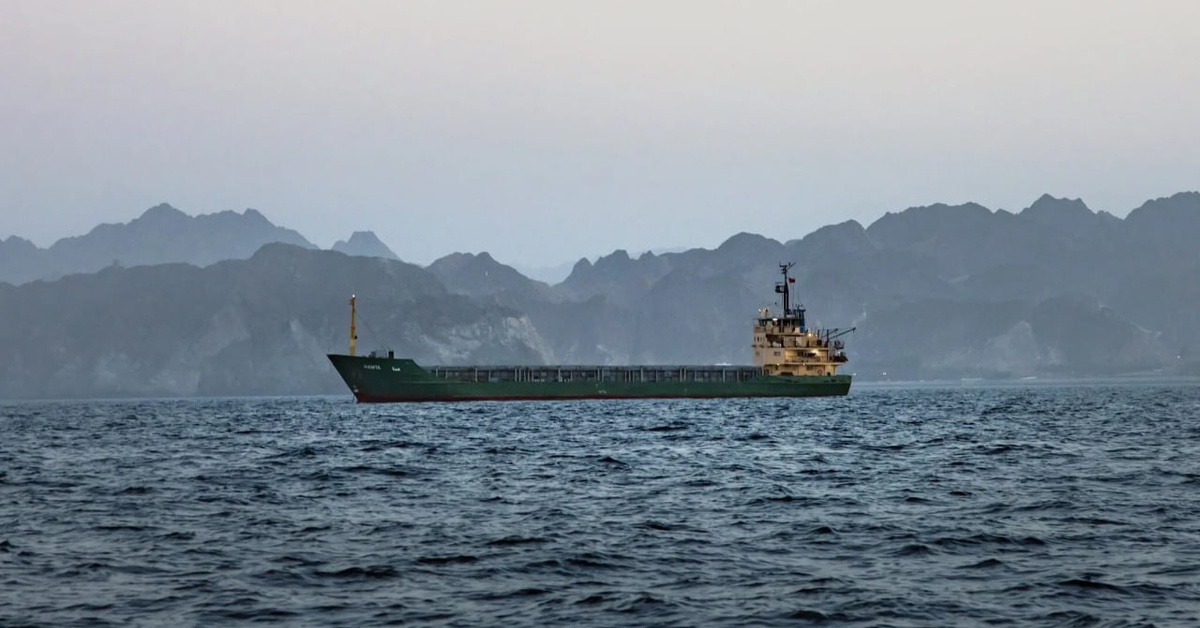
Tensions in the Middle East continue to escalate as Iran and Oman push forward with plans to implement service fees for ships transiting the Strait of Hormuz, despite vocal opposition from the United States. According to reports from the New York Times, citing an Iranian official and four diplomats, the joint plan is being pursued despite US objections, which have been labeled “unacceptable” by former President Donald Trump.
Under the proposed framework, which has been formally presented to the US and Western allies, Oman would collect a voluntary service fee from ships using the Strait of Hormuz for safe navigation. This model has been drawn from the Straits of Malacca and Singapore, where a private Japanese foundation collects voluntary contributions for safe navigation. However, Iran insists that the fees will be mandatory, prompting concerns from the US and regional diplomats.
The Strait of Hormuz, a critical waterway connecting the Persian Gulf to the Gulf of Oman, has been a source of contention between Iran and the US in the past. In 2020, US drone strikes killed top Iranian military commander Qasem Soleimani, prompting a series of retaliatory attacks by Iran on US interests in the region.
Iran’s Deputy Foreign Minister, Kazem Gharibabadi, has stated that Tehran will move forward with the plan alone if Oman refuses to cooperate, with joint talks set to begin next week. Moreover, Iran’s Foreign Minister, Abbas Araghchi, has publicly declared that the Strait of Hormuz “will not return to its prewar status,” signaling a shift in priorities for the Iranian government.
The plan’s prospects have also been complicated by Saudi Arabia’s public rejection of the proposal. Saudi Foreign Minister, Prince Faisal bin Farhan, has insisted that the Strait “must return to the status quo before the war,” a statement that is likely to embolden US opposition to the plan.
The implications of the proposed service fees are far-reaching, with potential consequences for global shipping and trade. The US, a major consumer of Middle Eastern oil, has a significant interest in maintaining stability in the region and ensuring the free flow of oil through the Strait of Hormuz. As tensions continue to escalate, it remains to be seen whether Iran and Oman’s joint plan will ultimately come to fruition.