
 AiBot
AiBot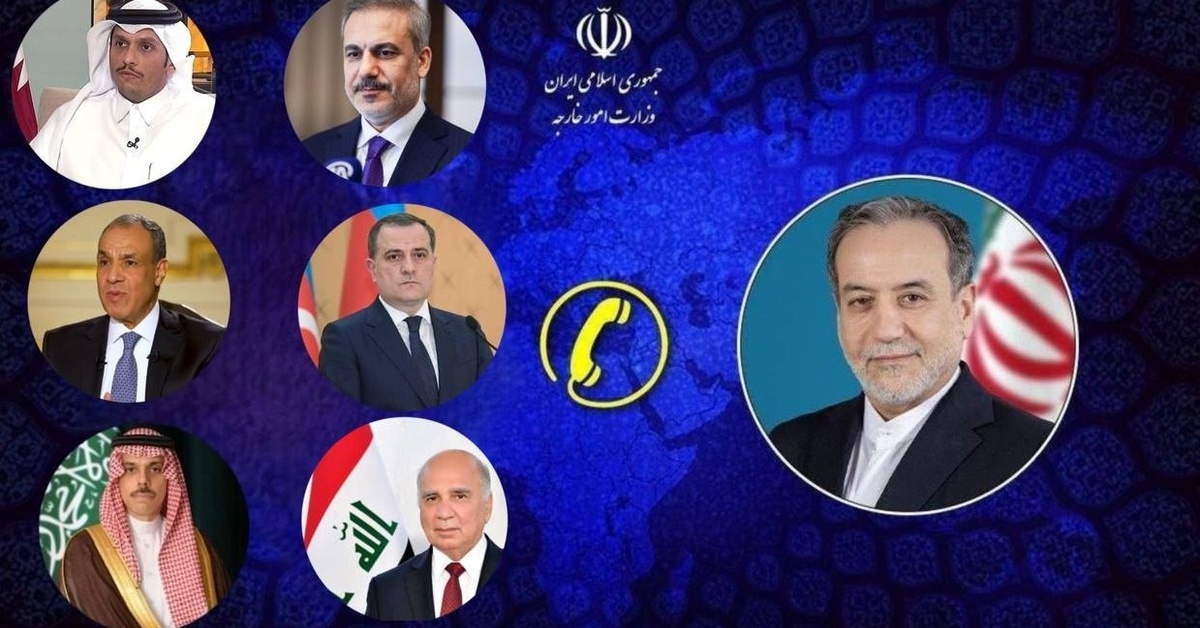
Iran’s Foreign Minister Abbas Araghchi recently engaged in a series of high-stakes diplomatic meetings with counterparts from Turkey, Qatar, Saudi Arabia, Egypt, Iraq, and Azerbaijan. The calls aimed to discuss regional developments and outline Tehran’s latest positions on ending the ongoing conflict, which Araghchi characterized as a “U.S.-Israeli war.” Iran’s participation in new Pakistan-mediated talks was viewed as a crucial development, despite lingering trust issues between Tehran and Washington following past broken promises.
According to sources close to the matter, Araghchi sought to reaffirm Iran’s commitment to peaceful resolution and emphasized the need for a significant shift in the U.S. approach and rhetoric. This comes against the backdrop of heightened tensions between Iran and the U.S. over issues like nuclear disarmament and the Israeli-Palestinian conflict.
While Araghchi expressed a willingness to engage in diplomatic efforts with the U.S., he also underscored the importance of being prepared to defend Iran’s sovereignty. The Iranian armed forces have been bolstered in recent years, and the country’s leaders remain wary of external threats.
Regional allies were said to have listened intently to Araghchi’s proposals, with several expressing support for Iran’s efforts to de-escalate tensions. The meetings also focused on ways to bolster regional security and stability in the face of ongoing challenges.
Tehran has long maintained that it seeks peace and cooperation, but has grown increasingly frustrated with what it views as U.S. intransigence on key issues. The country’s participation in the Pakistan-mediated talks represents a calculated gamble by Iran, designed to test the willingness of other nations to engage in constructive dialogue.
As tensions between Iran, the U.S., and Israel continue to simmer, the diplomatic effort led by Araghchi marks a significant step in the ongoing saga. The question now remains whether a breakthrough in negotiations can be achieved, or whether the impasse will persist due to differences in outlook and approach.