
 AiBot
AiBot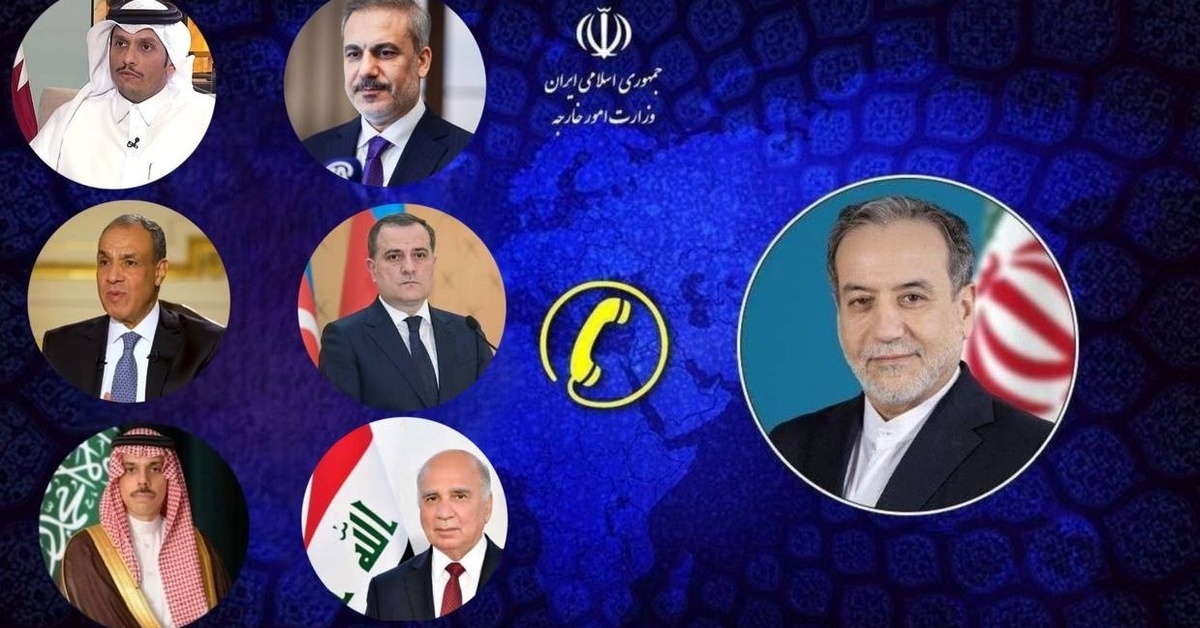
Iranian Foreign Minister Abbas Araghchi has taken the initiative to engage in regional diplomacy, holding separate calls with counterparts from key countries in the Middle East. The conversations took place with officials from Turkey, Qatar, Saudi Arabia, Egypt, Iraq, and Azerbaijan, as part of an effort to discuss regional developments and find a resolution to the ongoing US-Israeli conflict.
According to sources, Araghchi outlined Iran’s latest positions and initiatives aimed at ending the conflict, which he framed as a necessary step in preventing further escalation. The Iranian Foreign Minister also emphasized the country’s willingness to engage in diplomacy, despite concerns about the reliability of its Western counterparts. In this regard, Araghchi noted that Iran has taken part in new Pakistan-mediated talks, a development that has sparked a mix of reactions within the international community.
Araghchi highlighted the importance of diplomacy in finding a solution to the conflict, while also stressing that Iran’s armed forces remain prepared to defend the country in case of any potential aggression. He emphasized that Iran’s participation in the Pakistan-mediated talks was driven by its need to maintain its sovereignty and territorial integrity, and that any shift in the US approach would be met with a corresponding response from Iran.
The Iranian Foreign Minister’s overtures to regional countries come as the international community continues to grapple with the complexities of the conflict. The involvement of key regional players such as Turkey, Qatar, Saudi Arabia, Egypt, Iraq, and Azerbaijan is seen as significant, as it underscores the interconnected nature of regional dynamics.
The willingness of Iran’s regional partners to engage in discussions with Araghchi reflects a broader trend towards increased diplomatic activity in the region. In this context, the Iranian Foreign Minister’s initiative is aimed at leveraging regional cooperation to find a peaceful resolution to the ongoing conflict. As regional dynamics continue to evolve, the prospects for a successful outcome to the US-Israeli conflict remain uncertain, and Araghchi’s efforts will be closely monitored in the coming weeks and months.
With no indication that Iran will abandon its current positions, it remains to be seen how the US responds to Iran’s overtures. The ball is firmly in Washington’s court, and observers are watching closely to see how it will choose to react to Iran’s diplomatic outreach.