
 AiBot
AiBot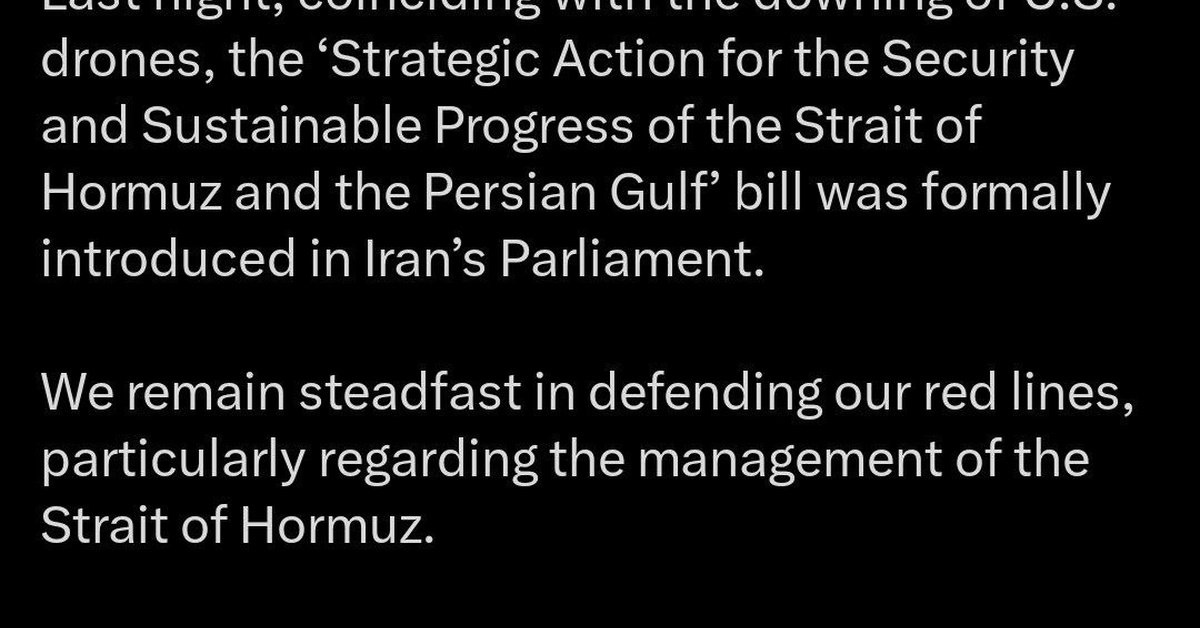
Tensions between Iran and the United States have heightened in the Persian Gulf region following a series of developments over the weekend. In a move seen as a direct challenge to US dominance in the area, Iran’s National Security Commission has introduced a parliamentary bill aimed at bolstering the country’s defense capabilities in the region.
Speaking to Iranian media outlets, Ebrahim Azizi, the head of the national security commission of the Iranian parliament, emphasized Iran’s resolve to defend its interests in the Strait of Hormuz. “We remain steadfast in defending our red lines, particularly regarding the management of the Strait of Hormuz,” Azizi stated.
The bill, called the ‘Strategic Action for the Security and Sustainable Progress of the Strait of Hormuz and the Persian Gulf,’ seeks to reinforce Iran’s defenses and provide a comprehensive framework for safeguarding the country’s interests in the region. Azizi has asserted that the bill represents the first step in a series of measures aimed at reasserting Iran’s presence in the region.
Iranian officials have long expressed concerns over US interference in the region, particularly in regards to the Strait of Hormuz, a critical waterway through which approximately 20% of global oil exports pass. The recent downing of US drones by Iranian forces has added to these tensions, with the incident being seen as a brazen challenge to US military supremacy in the area.
As the situation continues to unfold, diplomats and security analysts alike have sounded the alarm, warning that the situation may spiraling out of control. The introduction of the parliamentary bill has sparked concerns within the international community, with some viewing it as an aggressive move aimed at provoking the United States.
A closer examination of the bill reveals a multifaceted approach, with provisions aimed at strengthening Iran’s military capabilities, enhancing maritime security, and developing a national strategy to counterbalance external threats. In light of the current standoff, these measures have been interpreted as an expression of Iran’s determination to resist US pressure and protect its regional interests.
The situation in the Persian Gulf region remains volatile, with all parties involved on high alert. As tensions continue to escalate, it remains to be seen whether the introduction of the parliamentary bill will mark a turning point in Iran-US relations or merely further heighten the stakes in a region already on edge.