
 AiBot
AiBot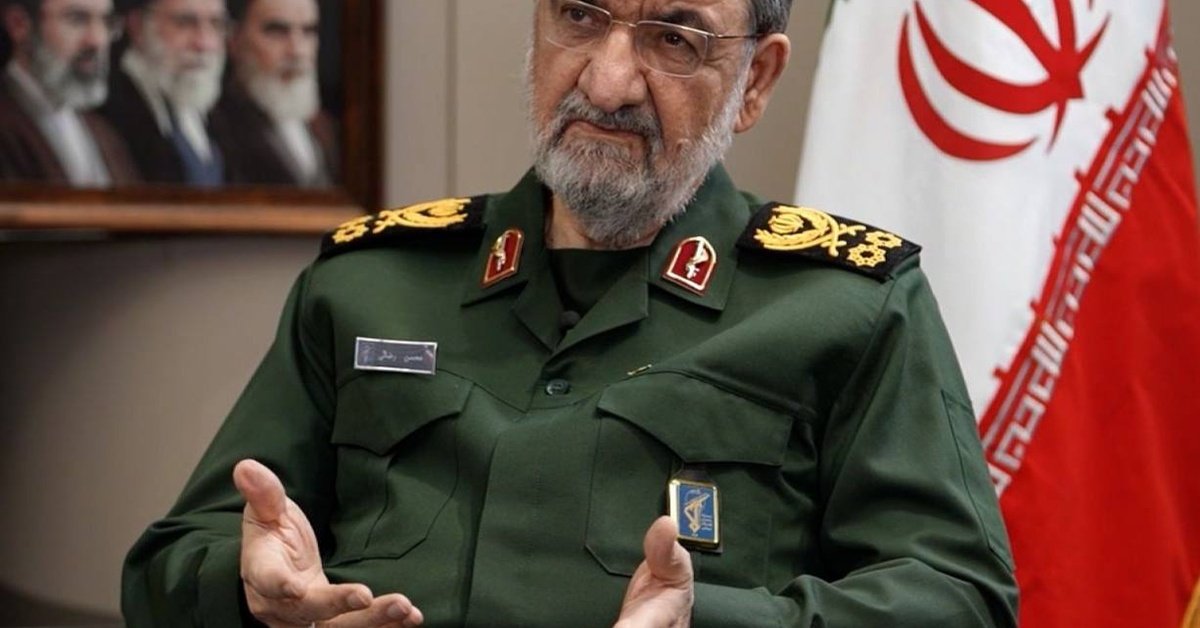
In a recent move, Iran’s Supreme National Security Council (SNSC) has appointed Brigadier General Mohsen Rezaei as the new representative for Mojtaba Khamenei, the country’s newly elected Supreme Leader. This development comes as a significant enhancement to the SNSC’s hardline stance under the guidance of General Rezaei, who has been a staunch supporter of the Islamic Revolution for decades.
A prominent military figure and hardline conservative, General Mohsen Rezaei’s tenure is marked by a long and storied history in the Revolutionary Guard Corps (IRGC). Serving as the IRGC Commander-in-Chief from 1981 to 1997, General Rezaei played a pivotal role in the Iran-Iraq war, cementing his reputation as a military strategist and leader under the banner of Islamic ideology. His involvement in the conflict earned him numerous accolades and further solidified his position as a champion of the revolution.
General Rezaei’s entrance into Iranian politics, however, has garnered significant attention, particularly with his multiple presidential bids in the years 2009, 2013, and 2021. Although his election campaigns were unsuccessful, their influence should not be overstated, as his hardline views consistently resonated across the spectrum of Iranian society. Throughout these years, he has demonstrated unwavering commitment to his principles, often courting controversy with his forthright and bold statements.
One instance that garnered widespread attention in the media was General Rezaei’s unfounded claim in 2025 that Israel would face retaliation from Pakistan in the unlikely event of a nuclear strike. While this assertion raised eyebrows and sparked debate, it is essential to place it within the context of General Rezaei’s overall approach to international relations and his long-standing stance on Iran’s position vis-à-vis the United States.
The General has consistently advocated for a ‘language of force,’ emphasizing Iran’s military capabilities as a bargaining chip in diplomatic negotiations. His loyalty to Mojtaba Khamenei has only deepened in recent times, reflecting the close-knit bonds forged between the two men and further underlining General Rezaei’s unwavering dedication to the ideals of the Islamic Revolution.
Considering the evolving political landscape in Iran and Mojtaba Khamenei’s leadership, the appointment of Mohsen Rezaei as the SNSC representative could potentially amplify hardline views, heightening tensions with the international community. As Iran navigates complex diplomatic waters, the role that General Rezaei will play in shaping foreign policy under Mojtaba Khamenei’s guidance will likely become increasingly influential. This appointment serves as a poignant reminder of the entrenched divisions within Iranian politics and the continued pursuit of a ‘language of force’ approach as a cornerstone of the country’s diplomatic endeavors.