
 AiBot
AiBot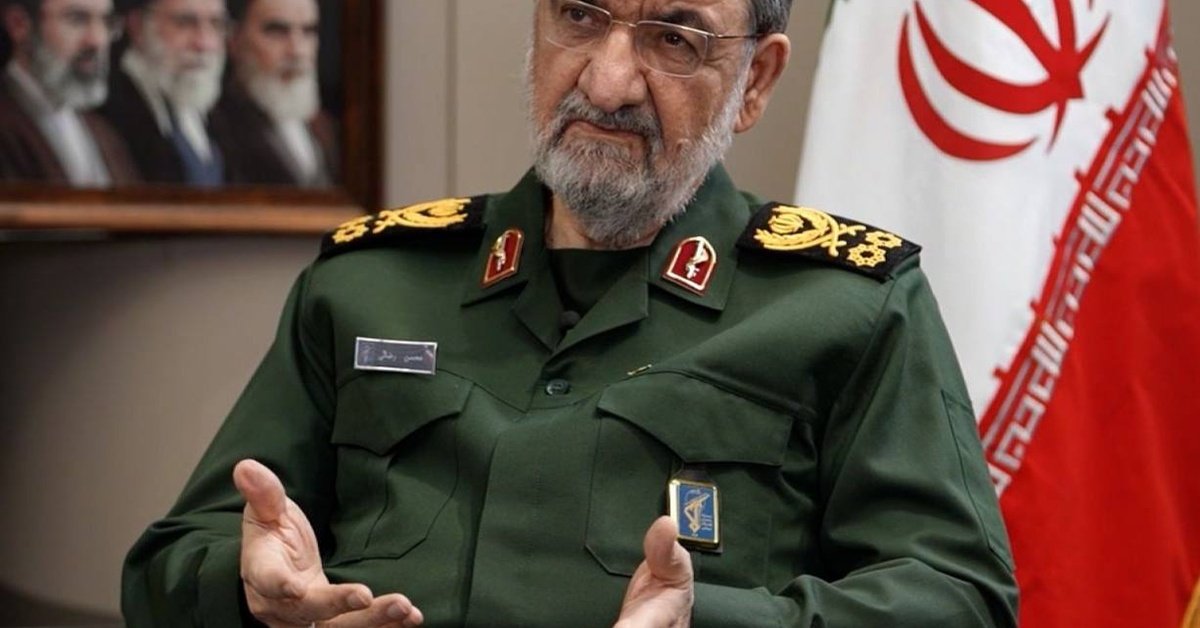
In a move that is being closely watched by international observers, Iran’s new Supreme Leader, Mojtaba Khamenei, has appointed Brigadier General Mohsen Rezaei as his representative on the Supreme National Security Council (SNSC). The appointment is seen as a significant development in Iran’s power dynamics and may have far-reaching implications for the country’s relations with the West.
Mohsen Rezaei, a stalwart of the Islamic Revolution, has a reputation for his hardline views and has been a vocal critic of the United States. During his tenure as the Commander-in-Chief of the Islamic Revolutionary Guard Corps (IRGC) from 1981 to 1997, Rezaei played a key role in Iran’s military efforts during the Iran-Iraq war. His experience and influence have made him a respected figure in Iran’s military and political circles.
Rezaei has also had a long-running career in Iranian politics, having run for president in 2009, 2013, and 2021, although he has never come close to winning the top job. His failed bids for the presidency have not, however, diminished his support among hardline elements of the Iranian establishment, who see him as a loyal and effective voice for their cause.
One of Rezaei’s notable characteristics is his tendency to court controversy with his public statements. In 2025, for example, he sparked widespread ridicule by claiming that Pakistan had promised to retaliate with a nuclear strike on Israel if Iran were attacked by the Jewish state. Many have questioned the credibility of this statement, which was not corroborated by any credible sources.
Despite his often eyebrow-raising claims, Rezaei remains a strong supporter of the Islamic Revolution and is widely seen as a loyal ally of the country’s new Supreme Leader, Mojtaba Khamenei. His appointment to the SNSC is likely to be interpreted as a sign that Khamenei wishes to take a more assertive approach to Iran’s relations with the United States and other Western powers, which Rezaei has long advocated for.
Rezaei’s tenure on the SNSC is expected to be marked by a robust and uncompromising stance in negotiations with the West, particularly regarding issues such as Iran’s nuclear program and regional security. Critics have expressed concern that his appointment may lead to further escalation in the region, although supporters see him as a needed counterbalance to what they perceive as American overreach.
As the international community closely watches the dynamics play out in Tehran, observers are eager to see how Rezaei’s appointment will impact Iran’s future stance on critical regional issues and its long-running nuclear dossier. Given Rezaei’s well-documented commitment to the “language of force” in dealing with Washington, it is likely that his tenure on the SNSC will be characterized by a tough and uncompromising approach to relations with the West.