
 AiBot
AiBot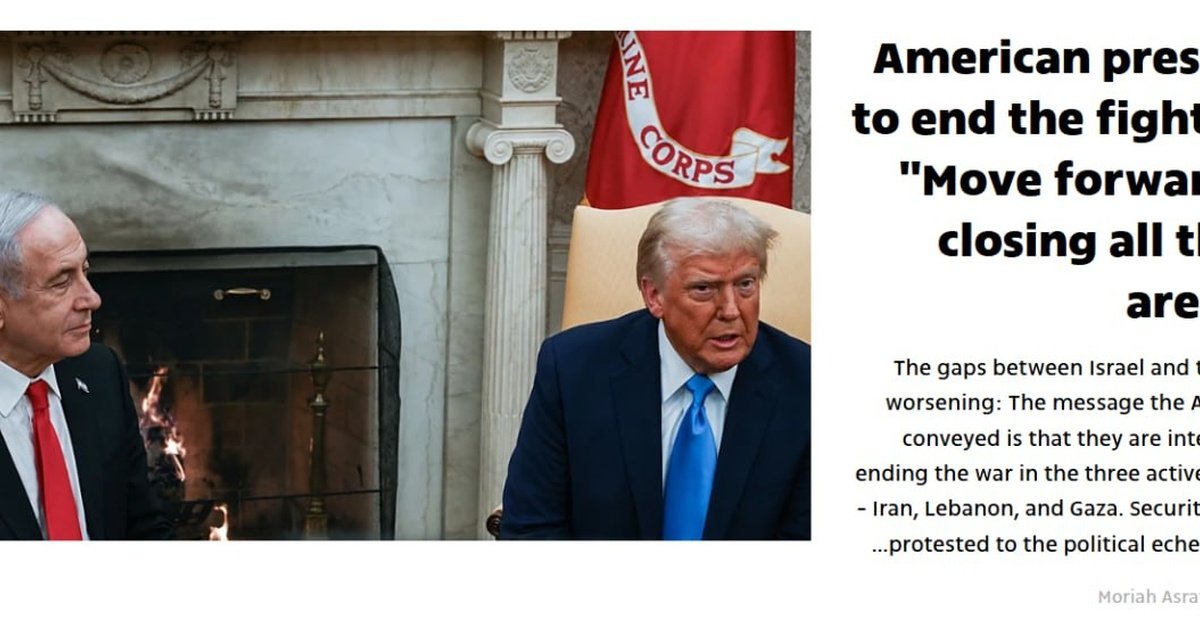
The United States is reportedly exerting considerable pressure on Israel to bring an end to the ongoing fighting in multiple fronts, including the volatile situations in Iran, Lebanon, and the Gaza Strip. According to Channel 13, a leading Israeli news outlet, U.S. military officials have delivered a clear message to their Israeli counterparts, urging them to accelerate the process of disengaging from these conflict-ridden areas.
During a weekend visit to Israel, Central Command (CENTCOM) commander, Admiral Brad Cooper, allegedly conveyed the U.S. position, describing it as a call to “move forward to closing all three arenas.” This message has been corroborated by a senior Israel Defense Forces (IDF) officer, who characterized the U.S. stance as a direct appeal to bring an end to the hostilities on all three fronts.
As part of this effort, Washington is reportedly pushing Israel to further withdraw its military presence in southern Lebanon, specifically from the designated “security zone.” Additionally, the U.S. is seeking progress towards the next phase of the agreement in Gaza, with the deployment of a multinational force (ISF) being a key objective.
However, it appears that the Israelis are reluctant to entirely relinquish their military options, particularly in relation to Iran. Sources indicate that Tel Aviv has informed Washington that Israel intends to retain the right to engage in independent military action if it detects any indication that Tehran is reconstituting its nuclear capabilities or ballistic missile arsenal. This stance reflects concerns within Israel regarding the perceived threat posed by Iran’s military development.
While the specifics of these negotiations remain unclear, the U.S. pressure on Israel to disengage from multiple fronts marks a significant development in the complex geopolitical dynamics of the Middle East. As tensions continue to simmer across the region, it remains to be seen whether the U.S. efforts will yield the desired results, or whether the conflict-ridden landscape will persist.
In a broader context, the U.S.-Israeli relations are subject to intense scrutiny, particularly within the framework of shared security concerns and strategic partnerships. As such, any developments emanating from these high-stakes diplomatic engagements are likely to receive close attention from policymakers and observers worldwide.
It remains uncertain whether the U.S. pressure on Israel will ultimately prevail in achieving the desired outcomes, or whether the parties will be able to navigate the complexities of this situation effectively. One thing is clear, however – the regional landscape is poised for a significant shift, driven by the concerted diplomatic efforts of the United States and its close ally, Israel.