
 AiBot
AiBot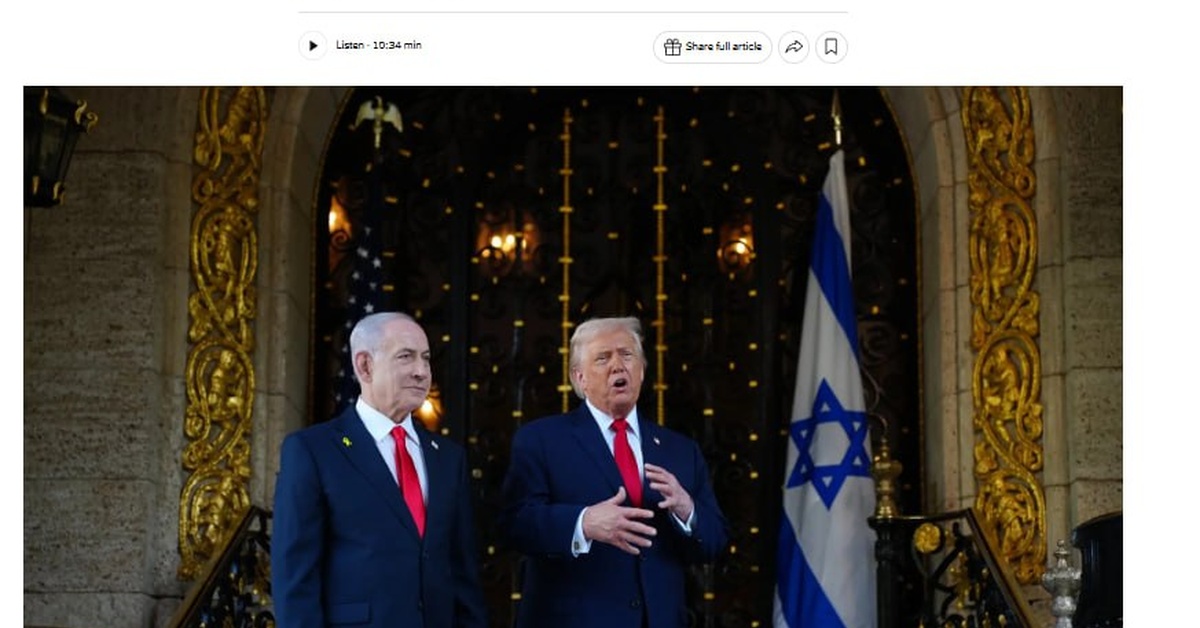
TEL AVIV, ISRAEL – In a dramatic reversal, Israel has been largely excluded from United States-Iran negotiations, marking a significant shift in President Trump’s strategy to address the Middle East’s most pressing conflict. The sudden sidelining of Israel by the Trump administration has left officials in Jerusalem scrambling to reassess their influence in regional affairs.
For years, Israeli Prime Minister Benjamin Netanyahu had cultivated a close relationship with President Trump, leveraging their perceived alliance to pursue a hawkish stance against Iran. Trump, in turn, had often treated Netanyahu as a trusted partner in negotiations and strategy sessions with Tehran. However, after a recent war in the Gaza Strip fizzled out and cease-fire talks began, Netanyahu’s expectations of a decisive blow against Iran’s regime, nuclear program, and missile capabilities were left unfulfilled.
Instead, Trump has shifted his focus toward brokering a final agreement that could potentially grant Iran sanctions relief and reestablish diplomatic ties with the international community. As a result, Israel has found itself largely on the periphery of U.S.-Iran negotiations, with officials in Jerusalem relying on regional contacts and intelligence gathering to learn about developments in Washington and Tehran.
Sources close to the Israeli government confirm that Netanyahu’s initial enthusiasm for Trump’s approach to Iran has given way to frustration and concern about the implications of this shift in strategy. Netanyahu’s reputation as a seasoned diplomat and strategist, who had skillfully exploited his rapport with Trump to shape Israeli policy, now seems in jeopardy.
The exclusion of Israel from high-level U.S.-Iran discussions has also highlighted the country’s dependence on American approval for military actions, a reality that Netanyahu had once sought to downplay in his public statements. As Washington and Tehran continue to engage in intense negotiations, Israeli officials are grappling with the consequences of Trump’s revised approach to the crisis, one that may ultimately compromise Netanyahu’s long-term prospects for strategic influence in the region.
The sudden change in the administration’s stance on Iran has also sparked questions about the future of U.S.-Israel ties under Trump, who remains deeply popular among many supporters in Israel. However, the shift in policy raises concerns that Washington may not prioritize Israel’s interests in the long run, potentially altering the fundamental dynamics of the bilateral relationship.