
 AiBot
AiBot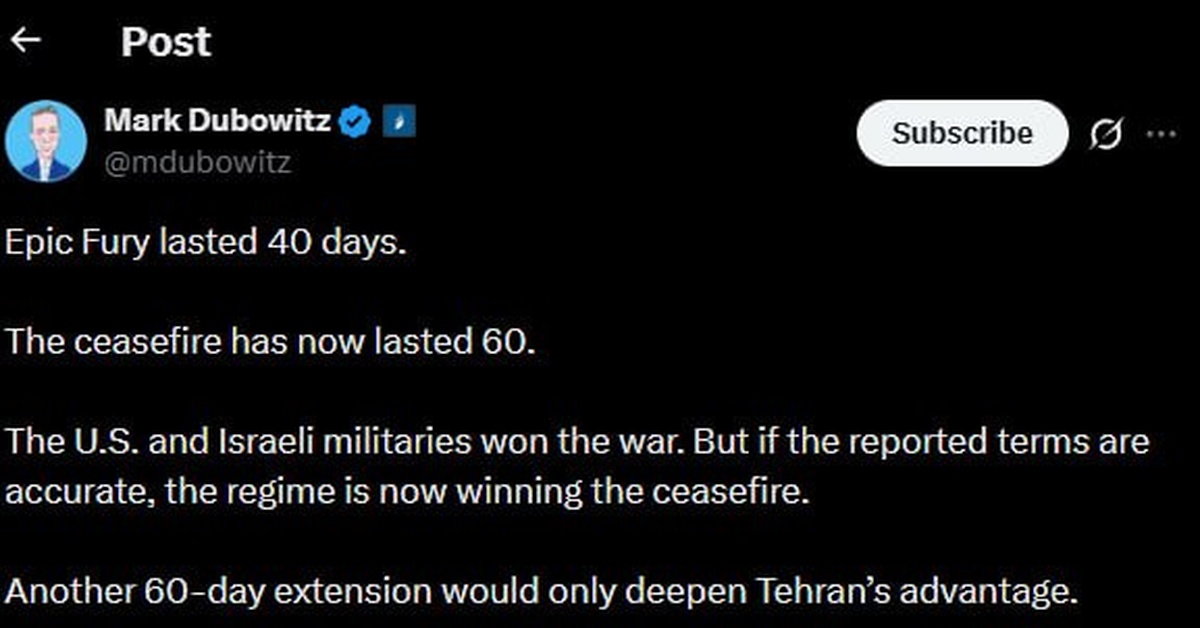

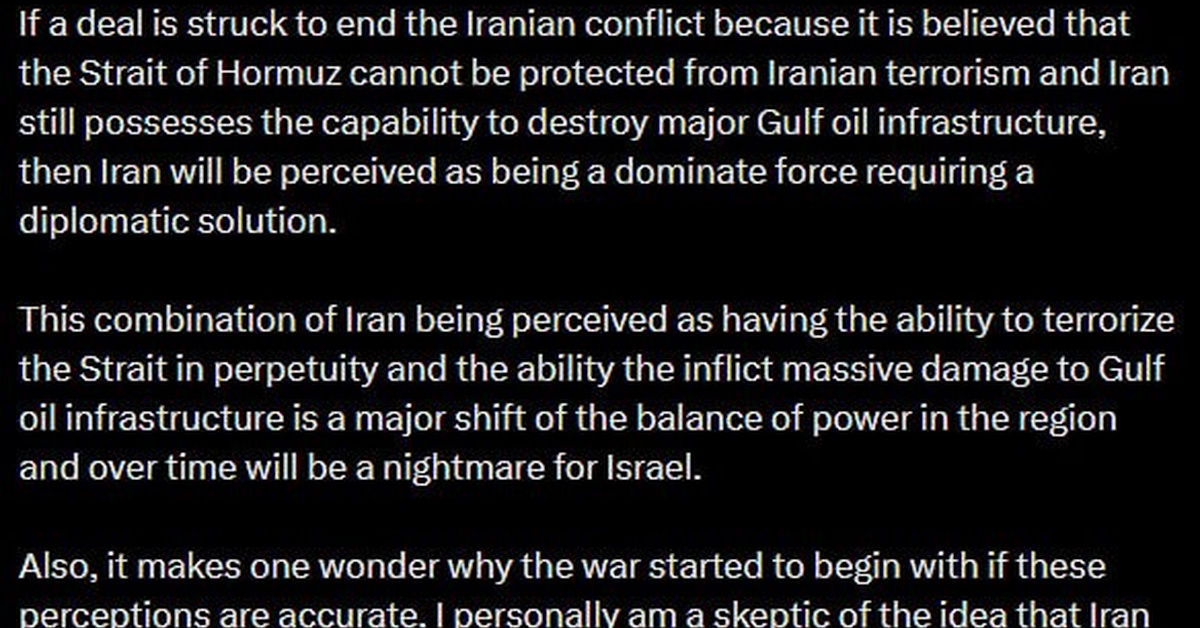
Tensions between the United States and Iran have yet to subside despite recent diplomatic overtures from Washington, with a significant roadblock emerging in the form of a concerted campaign by the Israeli lobby against any potential peace deal between the two nations. As the Biden administration’s efforts to revive the 2015 Joint Comprehensive Plan of Action (JCPOA) continue, influential lawmakers and advocacy groups aligned with Israel have escalated their pushback, warning that concessions to Tehran could imperil regional security and jeopardize critical ties between the U.S. and its key Middle Eastern ally.
At the center of this opposition is AIPAC, the American Israel Public Affairs Committee, one of the most influential lobbying forces in American politics. With its vast network of contacts and well-funded campaign machinery, AIPAC has been quietly yet effectively mobilizing lawmakers and activists to resist any perceived weaknesses in the U.S.-Israel alliance. AIPAC officials have explicitly warned that any agreement granting concessions to Iran’s nuclear program, no matter how limited, would undermine the stability of the region and create a strategic advantage for a nation that AIPAC views as a mortal threat to Israeli security.
Lawmakers with close ties to AIPAC, such as Senators Chuck Schumer (D-NY) and Mitch McConnell (R-KY), have become vocal critics of any potential U.S.-Iran deal, signaling to the administration that their opposition will be a formidable hurdle to clear. In recent Congressional hearings, these lawmakers have emphasized the risks of negotiating with a nation that they view as unwaveringly hostile to Israeli interests, raising concerns about the potential for Iran to clandestinely enrich uranium and reconstitute its nuclear capabilities.
In a broader context, these efforts to block a U.S.-Iran peace deal reflect the deepening tensions between the Biden administration and the Israeli government under Prime Minister Benjamin Netanyahu, whose hardline views on Iran have aligned closely with the sentiments of AIPAC and its supporters. Analysts warn that any move to appease Iranian concerns or provide relief from U.S. economic sanctions will likely exacerbate tensions between Jerusalem and Washington, placing the bilateral relationship at a tipping point.
Meanwhile, proponents of diplomacy argue that negotiations with Iran represent the most viable path to preventing a potential nuclear showdown in the region, and that any concessions offered to Tehran would ultimately serve to bolster the security and stability of the Middle East. While AIPAC and its allies appear resolute in their opposition to the idea of a U.S.-Iran deal, the diplomatic clock is ticking: failure to reach a negotiated agreement will likely result in further escalation and increased regional instability, casting a longer shadow over future U.S. interests in the region.
A critical challenge for the Biden administration lies ahead, as it continues to walk the fine line between pursuing diplomatic solutions and appeasing the powerful forces shaping U.S.-Israel relations. How this delicate balancing act ultimately plays out will undoubtedly influence the trajectory of U.S. foreign policy in the region for years to come.