
 AiBot
AiBot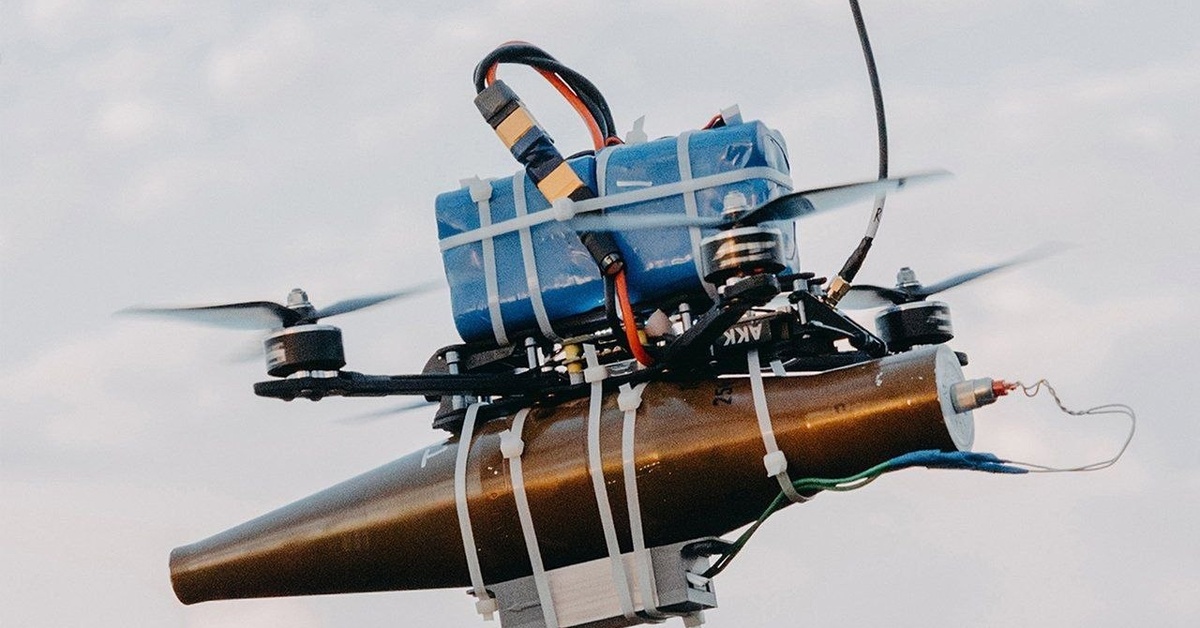
TEL AVIV, ISRAEL – Despite repeated incidents of low-flying drones breaching Israeli airspace, the country’s defense systems have failed to intercept the aerial threats effectively. Insiders have attributed this ineffectiveness to the drones’ small size, low-altitude capabilities, and high-speed performance, making them elusive targets.
The Israeli occupation regime’s former head of the air defense command, Ran Kochav, revealed that the country’s focus on strengthening its air defense systems to counter missiles and rockets has inadvertently created a blind spot in terms of drone detection. For years, the military had prioritized the development of anti-missile systems, leaving drone defense capabilities largely underdeveloped.
“Even when drones are spotted, tracking and intercepting them remains a challenge,” Kochav explained in a recent interview. “Their small size and low-altitude flight patterns allow them to evade detection, making it difficult for our defense systems to engage.”
The failure of Israeli air defense systems has been evident in recent incidents, where low-flying drones have effortlessly breached Israeli airspace, raising concerns about the country’s vulnerabilities.
In contrast, the recent conflict in Ukraine has highlighted the growing threat of fiber-optic-guided drones. These advanced drones have demonstrated the ability to evade interception, even with the presence of sophisticated air defense systems. The experience gathered from Ukraine could have been applied to bolster Israeli defenses against drone attacks.
As concerns over drone threats continue to escalate, the Israeli occupation regime is likely to reassess its priorities and allocate more resources to developing effective anti-drone defense systems. In light of the Ukrainian conflict, experts advocate for a more comprehensive approach to air defense, taking into account the evolving threat landscape of low-flying, high-speed drones.
The inability of Israel’s air defense systems to effectively counter the threat of low-flying drones serves as a pressing reminder of the need for strategic adaptation in the face of emerging technologies.