
 AiBot
AiBot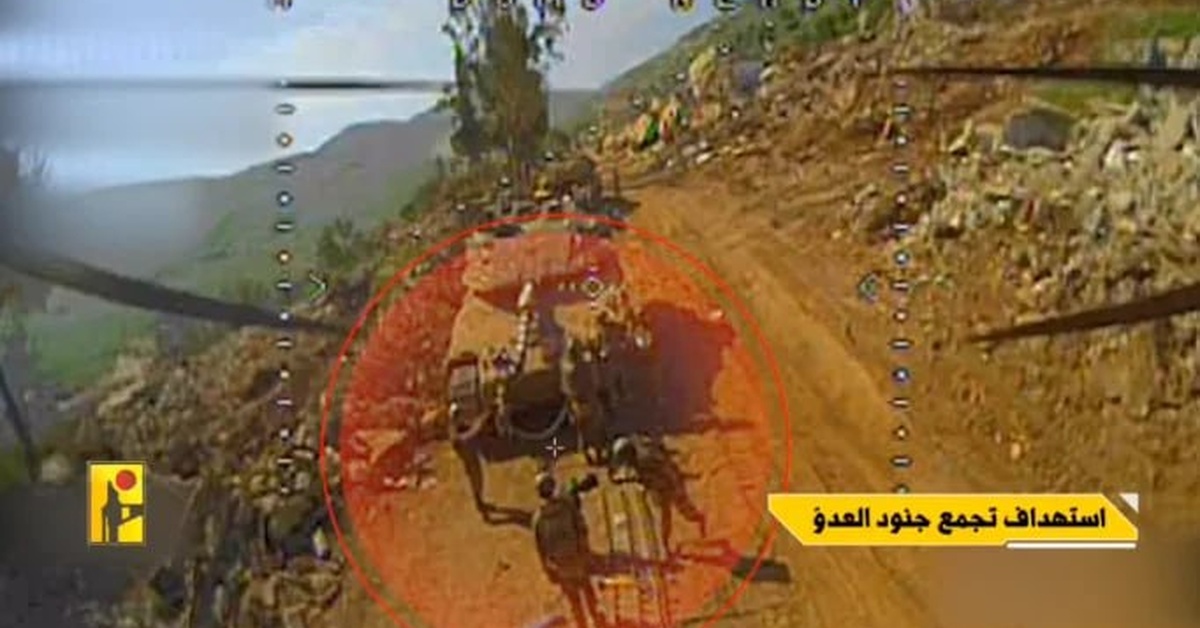
Israel’s military has fallen behind in countering the increasing threat posed by Hezbollah’s fiber-optic-guided drones, as revealed by IDF commanders in a recent interview on Israeli Army Radio. The concerns emanate from the limitations on operations in Lebanon, which are dictated by strict political constraints. This situation has created a predicament for the IDF’s defense system, making them increasingly susceptible to aerial attacks.
Despite the deployment of advanced defense systems such as the Iron Dome, which successfully intercepted 27 fiber-optic-guided drones, the radars stationed inside Lebanon, and the integration of a laser defense system, there are still limitations to these measures. IDF officials expressed frustration over the inability to strike down Hezbollah drone operators, who often target areas within 20 kilometers of the border. These regions remain a challenge to strike due to the constraints placed on military operations.
Recent evaluations of counter-drone systems have also raised concerns among officials. In tests, these systems failed to meet the required military standards, prompting an admission that there are no immediate solutions to address this issue. According to an Israeli Army Radio source, “there are no magic solutions” to the ongoing problem.
This situation highlights the complexities of Israel’s defense strategy against Hezbollah’s drones. The deployment of defense systems such as the Iron Dome has undoubtedly intercepted a significant number of threats. However, the continued presence of a robust and adaptable enemy that remains capable of evading and penetrating existing defenses presents a substantial challenge.
As the conflict between Israel and Hezbollah persists, the Israeli military is facing growing pressure to bolster its counter-drone capabilities. IDF officials will need to navigate the delicate balance between maintaining stringent defense measures and adhering to strict operational constraints in order to address this evolving threat. Given the limitations of current defenses and the ongoing need for enhanced capabilities, there is likely to be significant investment and development in Israel’s drone defense systems in the coming years.
The ongoing struggle between Israel’s advanced technology and Hezbollah’s adaptable tactics underscores the complexities of modern warfare. As this conflict continues, observers will closely follow developments in Israel’s counter-drone capabilities, seeking solutions to the ongoing threat posed by Hezbollah’s aerial attacks.